
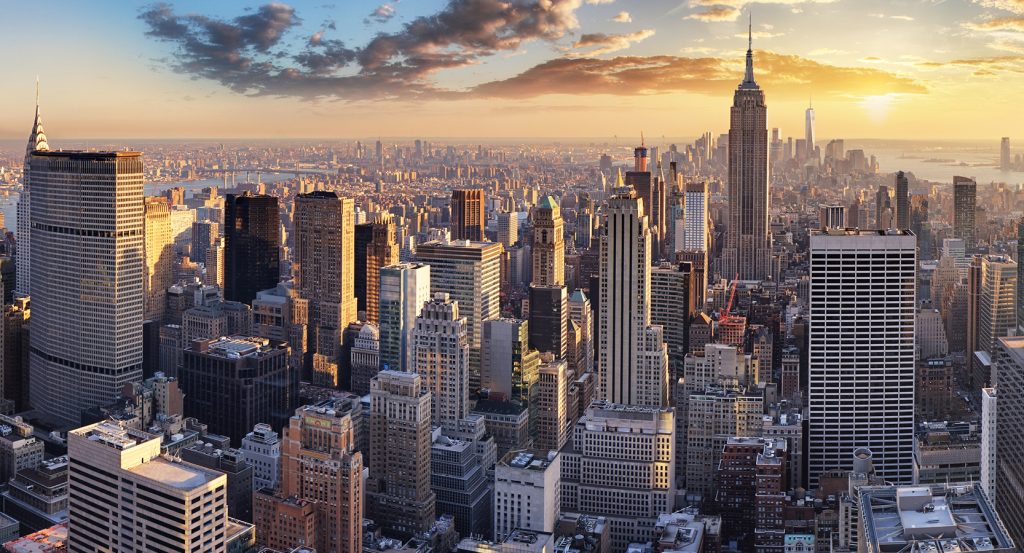
Why you should experience Fletcher Street in New York, NY.
Fletcher Street is a historic Financial District corridor where colonial commerce, maritime enterprise, and urban evolution converge along one of Lower Manhattan's oldest streets.
Running through the Financial District between Fulton Street and the East River waterfront, this compact downtown thoroughfare connects landmark office towers, historic commercial buildings, transportation hubs, civic institutions, public gathering spaces, and architectural landmarks that have shaped New York life for centuries. Historic street alignments, early commercial structures, modern skyscrapers, pedestrian corridors, and celebrated urban vistas create an environment defined by continuity and reinvention. The corridor emerged during New York's colonial era as part of the city's earliest street network, serving merchants, traders, sailors, and residents in a rapidly growing port settlement. Financiers, immigrants, entrepreneurs, architects, and civic leaders helped establish a legacy that evolved alongside New York's rise as a global center of commerce and finance. To the east, the The Seaport area extends naturally from Fletcher Street through a collection of historic piers, maritime landmarks, and waterfront destinations that reinforce the corridor's enduring significance. The result is a street defined by historical depth, commercial influence, and enduring urban character.
What you should know about Fletcher Street.
Fletcher Street is best known for preserving a name that dates to New York's colonial era, reflecting the city's earliest period of commercial expansion around the East River waterfront.
The street is believed to have been named for Benjamin Fletcher, the colonial governor of New York from 1692 to 1698. During this period, Lower Manhattan was rapidly developing into a major Atlantic trading center, with nearby waterfront districts driving the growth of commerce and maritime activity. The surrounding neighborhood became home to merchants, shipping interests, and commercial enterprises that helped establish New York's prominence among colonial port cities. As the city expanded, Fletcher Street remained embedded within the historic fabric of Lower Manhattan. Few Manhattan streets maintain such a direct connection to New York's formative colonial period.
How to fold Fletcher Street into your trip.
Fletcher Street works as an exploration of Lower Manhattan's colonial history, maritime heritage, and financial legacy.
Begin at Fulton Center, where the corridor's defining relationship with transportation, commerce, and public life immediately comes into focus. Continue toward The Seaport Museum, whose maritime significance reveals the trading networks and waterfront activity that helped shape the surrounding district across generations. From there, make your way to Federal Hall National Memorial, where one of New York's most important civic landmarks provides broader perspective on the political, economic, and historical forces that continue to define Lower Manhattan today. Along the route, you'll encounter historic streets, commercial landmarks, waterfront destinations, civic institutions, architectural treasures, public gathering spaces, and celebrated city vistas that showcase the remarkable depth of the district. The progression moves naturally from Fulton Center to The Seaport Museum to Federal Hall National Memorial, revealing how commerce, transportation, and governance combined to shape one of Manhattan's most historically significant corridors. Fletcher Street remains one of New York's most rewarding thoroughfares, preserving a distinctive balance between colonial heritage, commercial importance, and contemporary urban vitality.
Where your story begins.
Foresyte Travel reveals places that feel extraordinary long before you arrive.
Experience premium editorial crafted for luxury travelers.







































































































