Why you should experience Fort Canning Centre.
Rising from the verdant heart of Fort Canning Park, the Fort Canning Centre stands as both a monument and a metamorphosis, a colonial relic reborn as a beacon of creativity, culture, and collective memory.
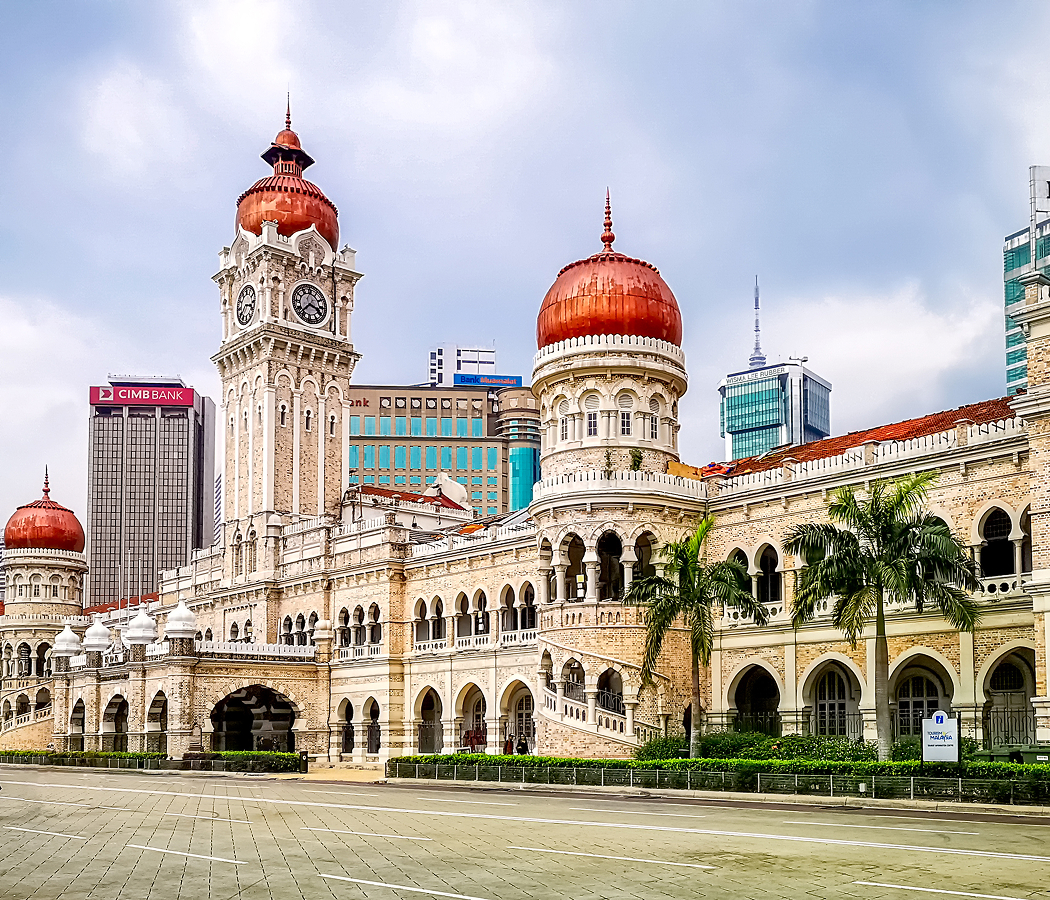
Its whitewashed neoclassical façade gleams softly beneath the tropical canopy, framed by banyan roots and the slow drift of monsoon air. Built in the 1920s as British barracks and later a command center, the building exudes an austere symmetry, high archways, shuttered windows, and corridors that once echoed with the clipped steps of officers now alive with laughter, exhibitions, and music. Inside, time bends gracefully: heritage meets art, and history hums through every polished floorboard. Galleries display Singapore's evolving narrative, from ancient Malay royalty to modern cosmopolitan vibrance, while community spaces host theater performances, lectures, and heritage showcases. Outside, terraced lawns spill toward the city skyline, where old cannons once pointed out to sea. The Fort Canning Centre doesn't erase its military past; it reinterprets it, transforming fortification into inspiration, command into conversation.
What you didn't know about Fort Canning Centre.
What most travelers never realize is that the Fort Canning Centre occupies one of Singapore's most sacred layers, a hill that predates colonial history by centuries.
Before barracks, before bunkers, before Raffles, this hill was Bukit Larangan, the “Forbidden Hill,” seat of Malay kings and burial ground of ancient rulers. When the British fortified it in the 19th century, they did so atop a site already heavy with legend. The Fort Canning Centre, constructed in 1926 as part of the expanded fort complex, became a nerve center during World War II, its underground bunkers and offices witnessing both strategic command and surrender. Yet, what could have remained a relic of loss evolved instead into a platform for renewal. In the 1980s, Singapore restored the building, infusing it with new purpose as a cultural and educational hub. Now, where military orders once echoed, curators hang contemporary art; where silence once meant defense, it now signals contemplation. Its evolution mirrors Singapore itself, pragmatic yet poetic, disciplined yet daring enough to redefine its own story.
How to fold Fort Canning Centre into your trip.
To fold the Fort Canning Centre into your Singapore journey, arrive not merely to see, but to listen, to the dialogue between eras unfolding in its halls.
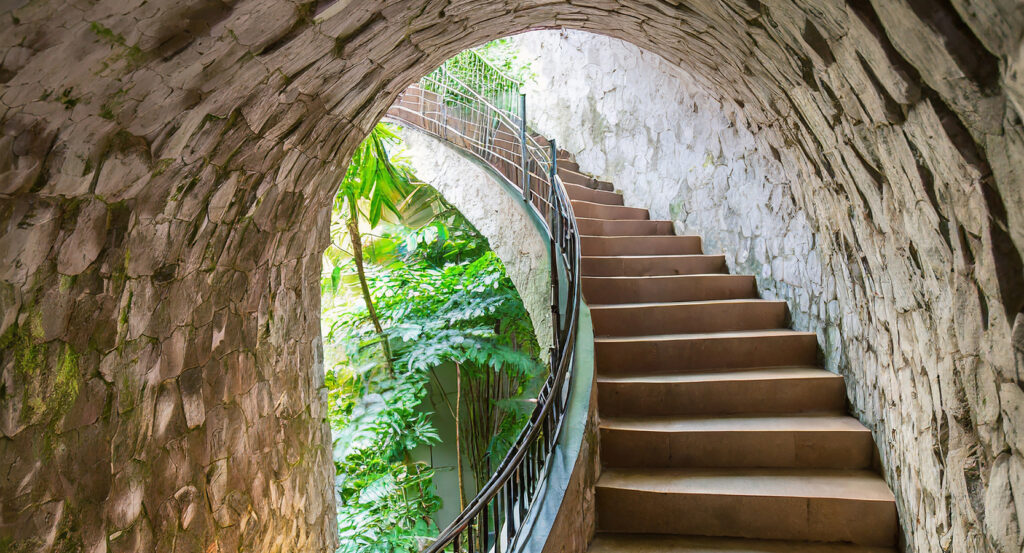
Begin your walk from the park's central staircase, shaded by flame trees, until the building's pale façade emerges between the greenery. Step inside and let the cool air meet the scent of aged timber and faint incense from nearby shrines. Explore the exhibitions at your own rhythm, each room a different tone: maritime history, colonial architecture, local folklore. Wander through the open verandas where the view spills across the Civic District, the skyline glinting like a mirror of the past. If you visit in the late afternoon, sunlight filters through the shutters, gilding the walls in honeyed light; at night, the centre often hosts outdoor film screenings or concerts under the stars. When you leave, descend the same hill that once guarded a colony and now guards memory itself. The Fort Canning Centre invites you not to escape history, but to walk alongside it, to recognize that progress, like the hill, is built in layers, each one still alive beneath your feet.
Hear it from the Foresyte community.
Just enough life around you not to be overwhelming. Right pace.
Where your story begins.
Start your planning journey with Foresyte Travel.
Experience immersive stories crafted for luxury travelers.