Why Four Seasons Resort Palm Beach matters.
Four Seasons Resort Palm Beach is a defining oceanfront resort where Palm Beach's coastal culture meets Florida's Gilded Age history, subtropical landscape and long tradition of refined Atlantic hospitality.
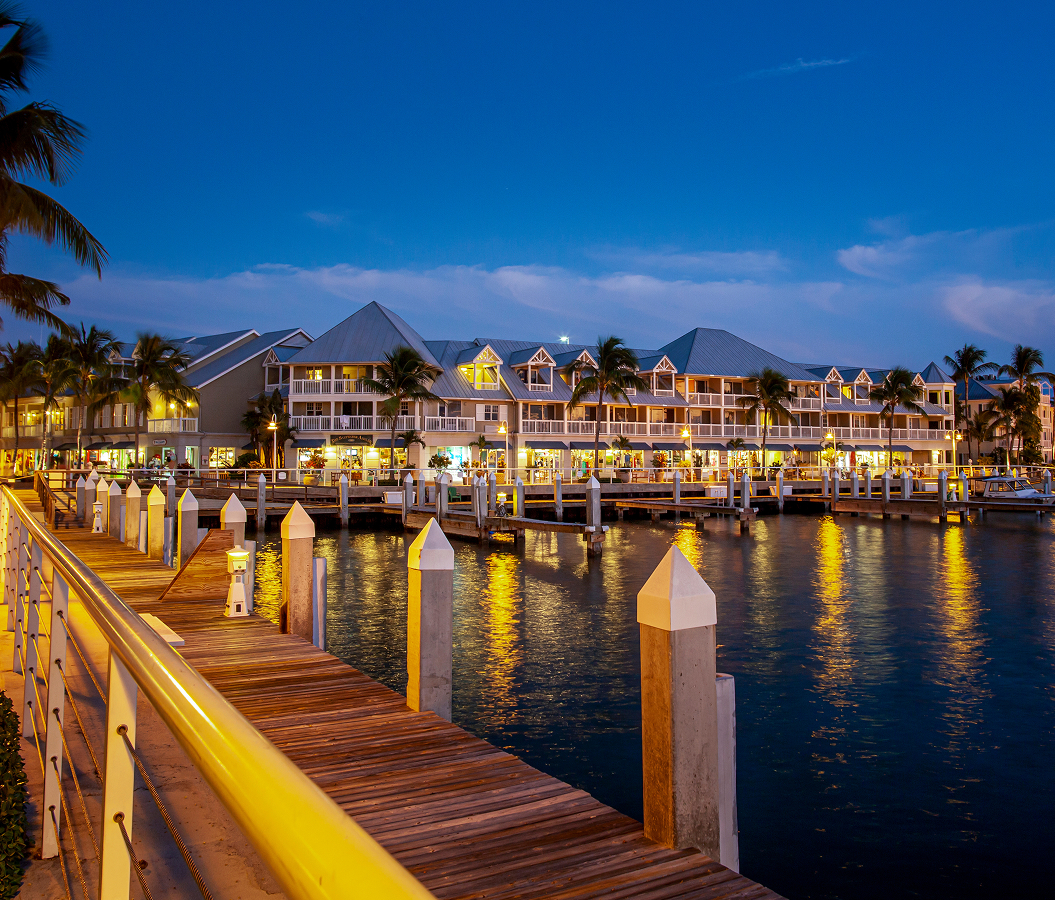
Set along South Ocean Boulevard on the southern end of Palm Beach, Four Seasons Resort Palm Beach occupies a position between the Atlantic Ocean, Lake Worth, the Intracoastal Waterway and the roads leading toward Worth Avenue and West Palm Beach, with the island's residential estates surrounding the property. Its distinctive physical setting combines a low-rise oceanfront resort, tropical gardens, white sand, coastal dunes and the quiet residential character of Palm Beach. The island is encountered primarily through movement between the resort, beach, pools, gardens, golf routes, Worth Avenue and the bridges connecting Palm Beach with the mainland. A second atmosphere develops inside the property through restaurants, lounges, spa spaces, shaded terraces, fitness facilities and event rooms that provide a calm refuge from the sun, salt air and active coastal roads. The result is an exceptional resort whose architecture and setting connect Palm Beach's Atlantic shoreline, Gilded Age history, subtropical environment and contemporary luxury culture.
What defines Four Seasons Resort Palm Beach.
Four Seasons Resort Palm Beach is best known for establishing the luxury hotel company's first Florida resort, introducing an internationally recognized hospitality institution to an Atlantic Ocean destination whose social history had been shaped by Henry Flagler, Gilded Age wealth, and generations of prominent American families. The property's development extended Palm Beach's established tradition of grand winter retreats into the contemporary international resort market, bringing Four Seasons' distinctive approach to residential hospitality to the island's quieter southern coastline. The resort opened in February 1994, establishing a significant new destination within a community whose historic hospitality institutions included Flagler's Royal Poinciana Hotel and The Breakers. Its architectural commission went to Leo A Daly, the American design firm whose international portfolio encompassed major hotels, institutional buildings, and substantial commercial developments. The original four-story complex introduced a relatively intimate architectural composition, emphasizing direct connections with the Atlantic shoreline and the residential character of Palm Beach's established resort landscape. The property subsequently earned Forbes Travel Guide Five-Star and AAA Five Diamond recognition, establishing its standing among Florida's most distinguished luxury hotels. Its commercial history entered another significant chapter under Nadim Ashi, founder of Miami-based Fort Partners, whose investment strategy emphasized architecturally significant luxury hospitality developments in prominent coastal destinations. Ashi's broader portfolio included the transformation of the historic Surf Club in Surfside into Four Seasons Hotel and Residences at The Surf Club, reflecting an established commitment to combining international hospitality with exceptional architectural design. In 2018, Fort Partners initiated a comprehensive renovation of the Palm Beach property, assembling a distinguished creative team led by interior architect Martin Brudnizki, landscape designer Fernando Wong, and Leo A Daly. The undertaking represented a substantial reinvestment in the resort's architectural identity, drawing upon the island's historic residential elegance and its distinctive midcentury cultural inheritance. The renewed property reopened on December 22, 2018, introducing a redesigned arrival sequence, transformed interiors, expanded outdoor environments, and a major new culinary partnership. Argentine-Italian chef Mauro Colagreco established Florie's as his first restaurant in the United States, bringing the international reputation of his celebrated French Riviera restaurant Mirazur to Palm Beach. Mirazur subsequently earned three MICHELIN stars and achieved first place in The World's 50 Best Restaurants ranking in 2019, strengthening the significance of Colagreco's American culinary expansion. The resort's transformation connected three influential dimensions of contemporary luxury hospitality: Ashi's investment in architectural distinction, Brudnizki's interpretation of historic Palm Beach elegance, and Colagreco's internationally celebrated culinary philosophy. Four Seasons Resort Palm Beach represents an important continuation of the island's grand hospitality tradition, translating its established cultural character into a contemporary oceanfront retreat shaped by internationally influential designers and culinary figures.
Mauro Colagreco's culinary philosophy establishes the resort's distinctive gastronomic character through a sophisticated relationship between Mediterranean cooking, Florida's coastal agriculture, and the natural rhythms of seasonal ingredients. Born in Argentina to a family of Italian heritage, Colagreco developed his professional foundations in France, training under influential chefs including Bernard Loiseau, Alain Passard, Alain Ducasse, and Guy Martin before establishing Mirazur in Menton in 2006. His approach emphasizes the relationship between carefully cultivated produce, precise cooking, and the aromatic character of fresh herbs and botanicals, drawing upon the agricultural traditions of the French and Italian Riviera. At Florie's, this philosophy acquires a distinctly Floridian dimension through the abundance of tropical citrus, coastal seafood, and seasonal ingredients associated with southeastern American agriculture. The restaurant's culinary foundation incorporates live-fire preparation, using a stone hearth, Japanese-style yakitori grill, and traditional spit-roasting equipment to develop complementary expressions of controlled heat. The hearth produces concentrated roasted flavors and delicate caramelization, establishing depth through direct contact with radiant heat. Yakitori techniques introduce precise management of smaller ingredients over intense heat, developing aromatic surfaces and preserving the natural character of their interiors. Spit-roasting creates an additional relationship between sustained heat, natural juices, and gradual browning, extending the kitchen's Mediterranean foundations into preparations suited to shared dining. Colagreco's emphasis on botanical freshness introduces balance through citrus acidity, aromatic herbs, and carefully composed vegetable preparations, connecting the restaurant's culinary character with the surrounding coastal environment. The beverage program extends this agricultural philosophy through garden-inspired cocktails and wines selected for sustainable production practices, establishing continuity between the kitchen's ingredient sourcing and its broader environmental priorities. Martin Brudnizki's interior conception develops a complementary interpretation of Palm Beach's architectural heritage through limed oak, honed limestone, rattan, terrazzo, and restrained pastel colors inspired by the island's historic residences. His palette of coral, dusty rose, pistachio, and pale blue-green recalls the decorative character of Palm Beach's midcentury social culture, establishing a residential atmosphere grounded in the community's distinctive architectural traditions. Fernando Wong introduced another consequential element through the transplantation of an expansive banyan tree from Tequesta, Florida, dividing the mature specimen into five sections before reconstructing it at the resort's entrance. The undertaking preserved a substantial living landmark within a landscape program inspired by the formal gardens and subtropical vegetation associated with Palm Beach's historic estates. Wong incorporated native and tropical plantings into a composition informed by midcentury modern landscape design, connecting the property's outdoor environment with the architectural character of its surrounding community. Together, Colagreco's Mediterranean culinary philosophy, Brudnizki's interpretation of Palm Beach elegance, and Wong's expansive landscape design establish a distinctive cultural character rooted in the island's architectural heritage and the agricultural richness of its coastal setting.
How Four Seasons Resort Palm Beach fits.
Four Seasons Resort Palm Beach works as the starting point for an exploration connecting Palm Beach's Gilded Age architecture, its coastal landscape and the cultural institutions that preserve the history and artistic character of South Florida.
Begin at Henry Morrison Flagler Museum, the grand Beaux-Arts residence where formal rooms, gardens, collections and waterfront views preserve the wealth and social history of Palm Beach's Gilded Age. Built for the founder of Florida's East Coast Railway, the estate connects railway expansion, tourism, architecture and the development of Palm Beach as a winter destination for wealthy visitors. Its interiors and grounds reveal the scale of the city's early resort culture. Continue to Worth Avenue, the celebrated commercial boulevard where Mediterranean-inspired architecture, courtyards, arcades, boutiques and galleries create Palm Beach's most recognizable luxury shopping landscape. The avenue connects the island's residential estates with restaurants, design stores, fashion houses and streets leading toward the Intracoastal Waterway. Its architecture and planted spaces demonstrate how commerce, climate and resort culture shaped the public character of Palm Beach. Continue to Norton Museum of Art, the major cultural institution where American, European, Chinese and contemporary art occupy galleries, gardens and public spaces in West Palm Beach. The museum connects Palm Beach's resort economy with the wider cultural life of the region and provides a counterpart to the island's historic architecture and luxury commerce. Its collections broaden the geographic character of the area beyond beaches and estates into painting, sculpture, design and international artistic exchange. Conclude at Mounts Botanical Garden, the expansive horticultural landscape where tropical plants, palms, fruit trees, themed gardens and shaded paths present the botanical character of South Florida. The garden provides a quieter perspective on the region's subtropical environment, connecting cultivated landscapes with the heat, rainfall and coastal conditions that define Palm Beach. Its collections reveal the diversity of plant life that supports the gardens, estates and resorts along the Atlantic coast. The progression moves from Henry Morrison Flagler Museum's Gilded Age architecture through Worth Avenue's luxury commercial landscape, continues across Norton Museum of Art's regional cultural institution and concludes at Mounts Botanical Garden, where Palm Beach's history, commerce, art and subtropical environment meet.
Where your story begins.
Foresyte Travel reveals places that feel extraordinary long before you arrive.
Enjoy editorial crafted for luxury travelers.
Foresyte may earn a commission when you book.