Why you should experience Taman Tukad Korea in Bali, Indonesia.
Taman Tukad Korea in Denpasar is more than a walkway, it's a living conversation between Bali's past and its pulse.
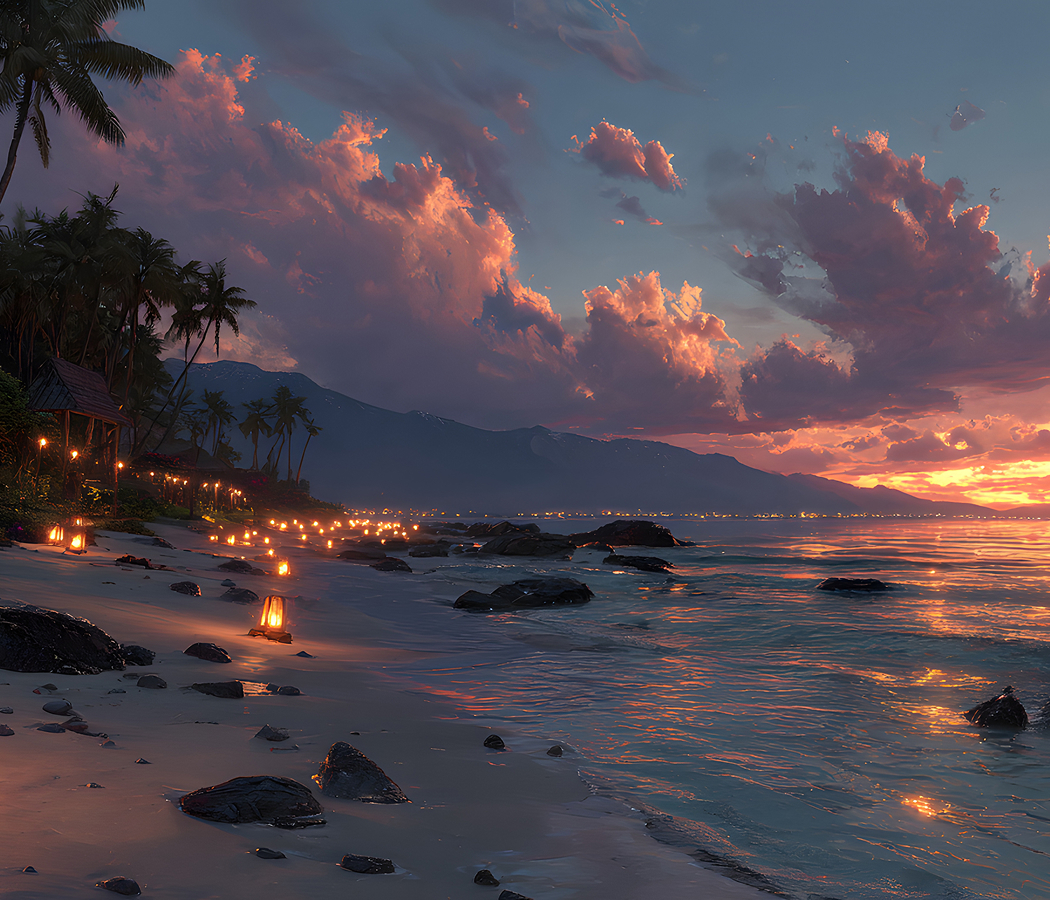
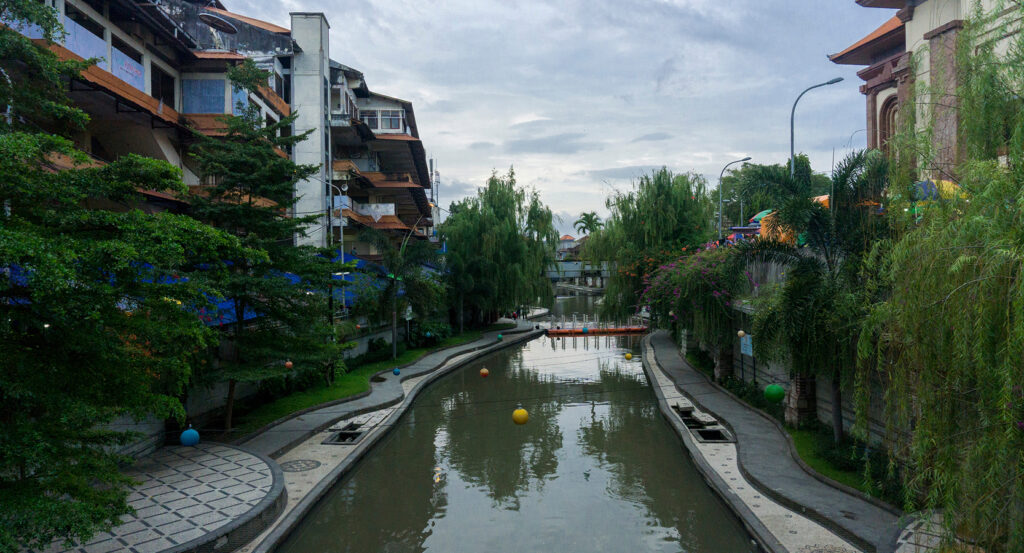
Stretching through the heart of the city, this revitalized riverfront transforms the once-forgotten Badung River into a luminous spine of renewal. The soundscape is gentle yet alive: rushing water mingles with temple bells, laughter from passing families, and the faint melody of street musicians. Under the shade of tamarind and frangipani trees, the promenade winds alongside tiled plazas, carved stone benches, and fountains that shimmer under golden evening light. As you walk, the air shifts, the chaos of Denpasar softens into rhythm, the kind that syncs with your own breathing. Bridges arch gracefully over the water, adorned with mythic carvings and lanterns that glow amber at dusk. To the west, murals unfurl across the retaining walls, celebrating Bali's agrarian roots and devotion to balance. Taman Tukad Korea isn't just urban design, it's poetry in motion, a tangible reminder that even the busiest cities need places that listen.
What you didn’t know about Taman Tukad Korea.
Taman Tukad Korea represents one of Indonesia's most visionary examples of ecological urbanism, a masterwork of civic restoration anchored in spiritual philosophy.
Born from the Badung River Normalization Project, this initiative sought not only to reclaim a polluted waterway but to restore Denpasar's soul. The design follows the Tri Mandala principle of sacred zoning, dividing space into realms of reflection, interaction, and renewal. Beneath its beauty lies precision: a hidden water filtration system, solar-powered lighting, and terraced gardens designed to manage seasonal floods while nurturing native plant species. The promenade's stone balustrades are etched with motifs of kalpataru, the tree of life, while fountains channel the blessings of Dewi Danu, goddess of lakes and rivers. Each section of the walkway aligns with key spiritual and civic landmarks, Kumbasari Park, Puputan Square, and the Badung Market, forming an invisible mandala of movement and meaning. The project united local artisans, environmentalists, and religious leaders in a collaboration that transcended architecture; they didn't just build a park, they restored a relationship between humanity and water.
How to fold Taman Tukad Korea into your trip.
The best way to experience Taman Tukad Korea is as the city itself does, slowly, reverently, without hurry.
Come in the early morning, when the river mirrors the first pastel light and locals lay canang sari offerings on the steps. Start near the Kumbasari Market, where vendors greet the day with warm smiles and the scent of roasted coffee fills the air. Follow the curve of the promenade as it leads past lush gardens and public art installations, every few meters reveals another story carved into stone or painted on tile. As the day warms, find shade beneath the banyan trees or pause on one of the viewing decks to feel the breeze rise from the water. Return at twilight, when the lights shimmer along the banks and reflections dance like fireflies across the current. Street performers gather, lovers linger, and the city hums with contentment. For the perfect evening, pair your walk with a visit to Kumbasari Park or enjoy a traditional snack from a nearby stall. Taman Tukad Korea in Denpasar isn't just a scenic stroll, it's the city's reawakened pulse, a place where time moves with purpose and peace flows as freely as the water itself.
Hear it from the Foresyte community.
Just enough life around you not to be overwhelming. Right pace.
Where your story begins.
Start your planning journey with Foresyte Travel.
Experience immersive stories crafted for luxury travelers.