Why you should experience Tjörnin Bridge in Reykjavík, Iceland.
The Tjörnin Bridge is the heart's pause in Reykjavík's rhythm, a graceful crossing that feels suspended between reflection and reality.
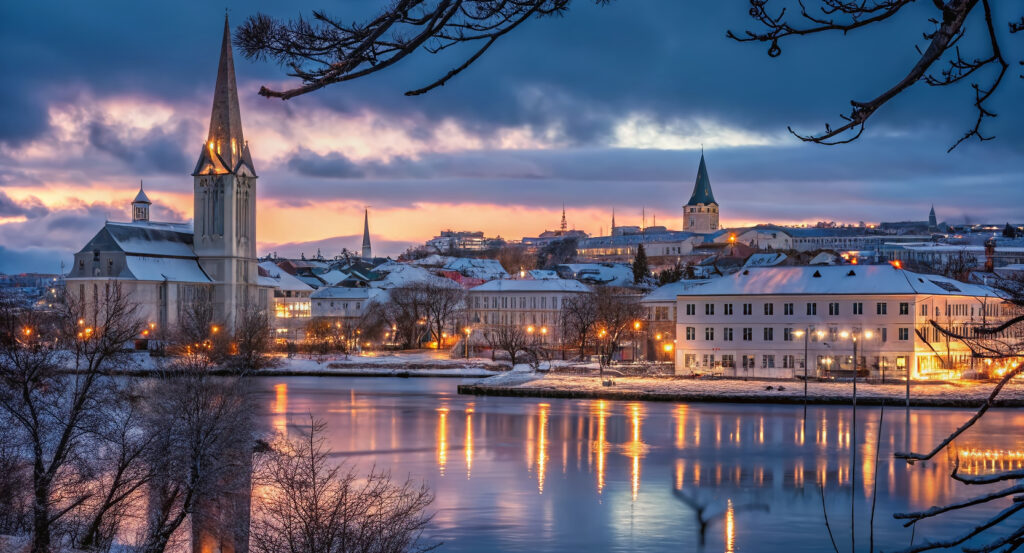
Stretching quietly over the city's central pond, this slender bridge connects the liveliness of downtown to the calm embrace of the southern shore. Beneath you, swans glide like ghosts across mirrored water, their wakes blending with the faint ripples of passing clouds. Every step offers a new perspective, the colorful houses of the north reflected beside the trees of the south, with Hallgrímskirkja rising in the distance like a silent guardian. It's a simple bridge, unadorned yet poetic, where locals pause with cameras or clasped hands, letting time slow down just long enough to breathe. In the early morning, mist gathers beneath its railings; by afternoon, the air hums with laughter and bicycle bells. At dusk, golden light spills across the water, casting silhouettes of people, birds, and willow branches into a single shared reflection. The Tjörnin Footbridge isn't just a crossing, it's a moment in motion, a place where Reykjavík feels both vast and intimate all at once.
What you didn't know about Tjörnin Bridge.
The Tjörnin Bridge is one of Reykjavík's most understated engineering triumphs, a structure designed not to stand out, but to disappear beautifully into its surroundings.
Originally built in the early 1900s to replace a wooden causeway used by fishermen, the bridge now serves as both functional pathway and environmental design. Its concrete foundation was poured shallowly to preserve the pond's ecosystem, while its deck remains just high enough to avoid disturbing nesting birds. Beneath the surface, geothermal water circulates through embedded pipes, preventing the bridge from icing over during Iceland's long winters, a clever adaptation that keeps it accessible year-round. The railings, slender and minimal, were modeled after the silhouettes of swans' necks, curving elegantly along the walkway's length. The bridge also divides the pond into two subtly different habitats: the northern section, deeper and more urban, reflects the city's architecture; and the southern section, shallower and quieter, nurtures reeds and nesting waterfowl. Few visitors realize that this bridge marks one of Reykjavík's earliest examples of sustainable urban planning, a small but profound statement of coexistence between nature, design, and daily life.
How to fold Tjörnin Bridge into your trip.
The Tjörnin Footbridge belongs to your quiet moments, the ones between destinations, when you pause to simply exist in Reykjavík's gentle pulse.
Start your walk along the Tjörnin Walking Path, following the curve of the pond until you see the bridge's slim outline appear through the willows. Midway across, stop and look both ways: to the north, the reflection of Fríkirkjan Church and the city skyline framed against distant mountains; to the south, the reeds swaying near Hljómskálagarður Park and the tranquil homes that seem to float on the water's edge. If you visit in winter, the bridge becomes a vantage point for watching children skate on the frozen pond while ducks huddle around the warm water vents below. In summer, it's a place for artists sketching, musicians playing softly, and travelers letting the breeze lift their hair as the midnight sun paints the sky. Bring a warm drink, lean over the railing, and let the sounds of water and wings fill the space between thoughts. The Tjörnin Footbridge may be small, but its peace lingers, a reminder that the simplest paths often lead to the deepest calm.
Where your story begins.
Start your planning journey with Foresyte Travel.
Experience immersive stories crafted for luxury travelers.