Travel guide to New York, New York.
New York moves best when you stop trying to conquer it and let it unfold.
This version of the city trades spectacle for texture, guiding you through neighborhoods that hum with inherited culture, dining rooms built on memory and ritual, and landmarks that regain their meaning when approached with patience. You begin in streets where languages overlap and storefronts glow beneath paper lanterns, settle into red-sauce abundance that feels almost theatrical in its generosity, and ferry across open water to watch Manhattan recede into silhouette. Afternoons stretch beneath cathedral-like museum ceilings and café windows fogged with conversation, while evenings carry you toward waterfront light, Art Deco permanence, and tableside flame. The rhythm is deliberate, not rushed, not performative, revealing a New York that feels inhabited. By the final dinner, you understand something essential: this city does not reward urgency, it rewards attention.
Three days you'll remember.
Day 1: Chinatown
Chinatown pulses with market stalls, herbal shops, bakeries, and open kitchen doors that spill steam and conversation into the street. Its narrow blocks hold decades of migration, resilience, and unapologetic culinary authority, layered into signage, storefronts, and family-run institutions that have quietly outlasted trend cycles. Walking here is less about sightseeing and more about immersion, a reminder that New York's identity is built neighborhood by neighborhood, generation by generation.
Day 1: Carmine's
Carmine's delivers classic Italian-American dining at a scale that feels celebratory. Platters arrive built for sharing, layered with red sauce, fresh herbs, and the kind of abundance that turns dinner into an event. The dining room buzzes with laughter and clinking glasses, carrying forward a tradition of theatrical hospitality that defines a certain era of New York dining. Here, generosity is not aesthetic, it is the point.
Day 2: Governors Island
Governors Island offers rare open sky and harbor air just minutes from Manhattan by ferry. Rolling lawns, art installations, and skyline views create a vantage point where the city feels cinematic rather than overwhelming, its towers softened by distance. The island's former military structures and repurposed spaces add quiet historical weight, grounding the experience in something more permanent than a postcard view. It's a pause in motion, a reset framed by water and perspective.
Day 2: Little Ruby's Cafe
Little Ruby's Cafe brings a relaxed Australian café sensibility into the tempo of Manhattan mornings. Bright plates, balanced flavors, and easy conversation make it a natural place to begin the day without ceremony or pretense. The space feels intentionally unhurried, a rare quality in a city that prizes momentum. It's a reminder that refinement doesn't require stiffness, just clarity and confidence.
Day 2: American Museum of Natural History
The American Museum of Natural History spans entire worlds beneath its vaulted ceilings, from towering dinosaur fossils to immersive cosmic exhibitions that stretch the imagination beyond city limits. Its galleries invite slow wandering and curiosity, encouraging you to lose track of time in halls built for contemplation. Few institutions in New York command scale with such quiet authority, balancing scientific rigor with childlike wonder. It recalibrates your sense of place in the universe before sending you back into Midtown traffic.
Day 2: Sarabeth's
Sarabeth's has built its reputation on polished comfort, refined brunches, thoughtful plating, and an atmosphere that balances elegance with approachability. The menu's consistency has made it a mainstay for locals and visitors alike, proof that discipline can be more powerful than novelty. Soft lighting and measured service create a rhythm that feels restorative. It steadies you for the evening without asking for attention.
Day 3: Il Fiorista
Il Fiorista pairs seasonal Italian cuisine with botanical nuance, weaving herbs and edible flowers into dishes that feel intentional and restrained. The dining room carries a softness that contrasts the city's sharper edges, allowing conversation to rise above background noise. Its menu emphasizes freshness and craft over spectacle, leaning into precision. It's dining that feels cultivated, not curated.
Day 3: South Street Seaport
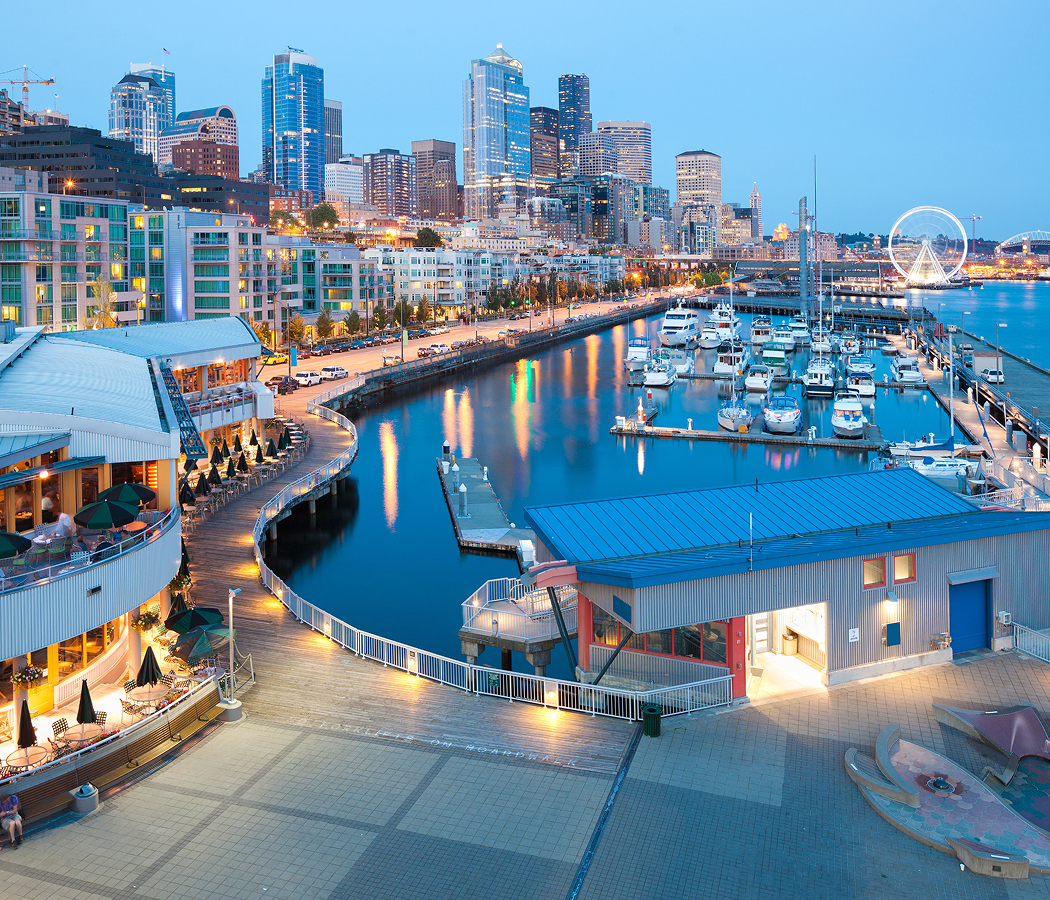
The Seaport blends cobblestone streets with open harbor views, creating one of Manhattan's most layered waterfront corridors. Historic brick facades sit alongside contemporary terraces overlooking the East River, allowing past and present to share the same sightline. As light shifts across the water, the skyline transforms from glass to silhouette, anchoring the experience in movement. It's where the city meets water.
Day 3: Rockefeller Center
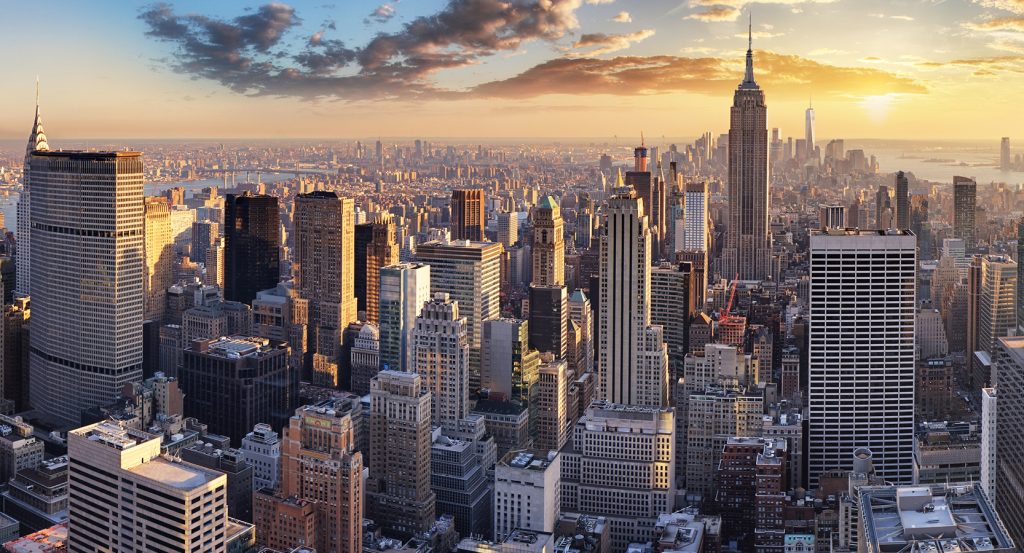
Rockefeller Center stands as a monument to New York's Art Deco confidence, its limestone façades and geometric detailing signaling permanence amid constant reinvention. The plaza below has hosted decades of cultural memory, from public celebrations to quiet morning crossings. Viewed from above or below, it carries a gravitational pull that stabilizes Midtown's chaos. It is architectural conviction made visible.
Day 3: Yakiniku Futago
Yakiniku Futago offers an intimate Japanese barbecue experience where premium cuts are grilled tableside with care and precision. The ritual of cooking your meal becomes part of the evening's choreography, transforming dinner into shared participation. Smoke, flame, and conversation braid together in a space that feels energetic but contained. It closes the trip with warmth and intention, fire as punctuation.