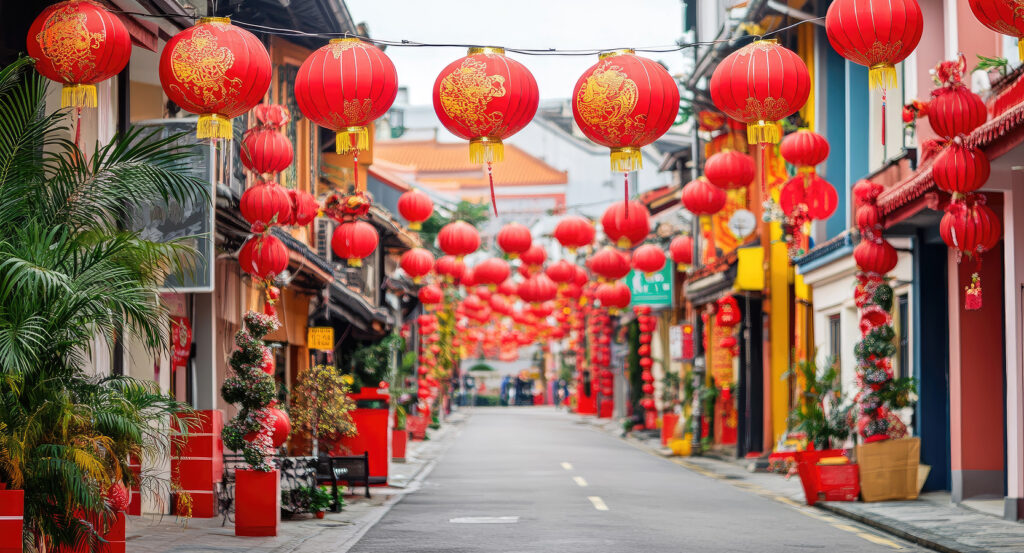
Why Pagoda Street matters.
Between the painted shutters and terracotta roofs of Chinatown, Pagoda Street Market spills into the open air, a mirror of color, scent, and sound where heritage hums in every breath.
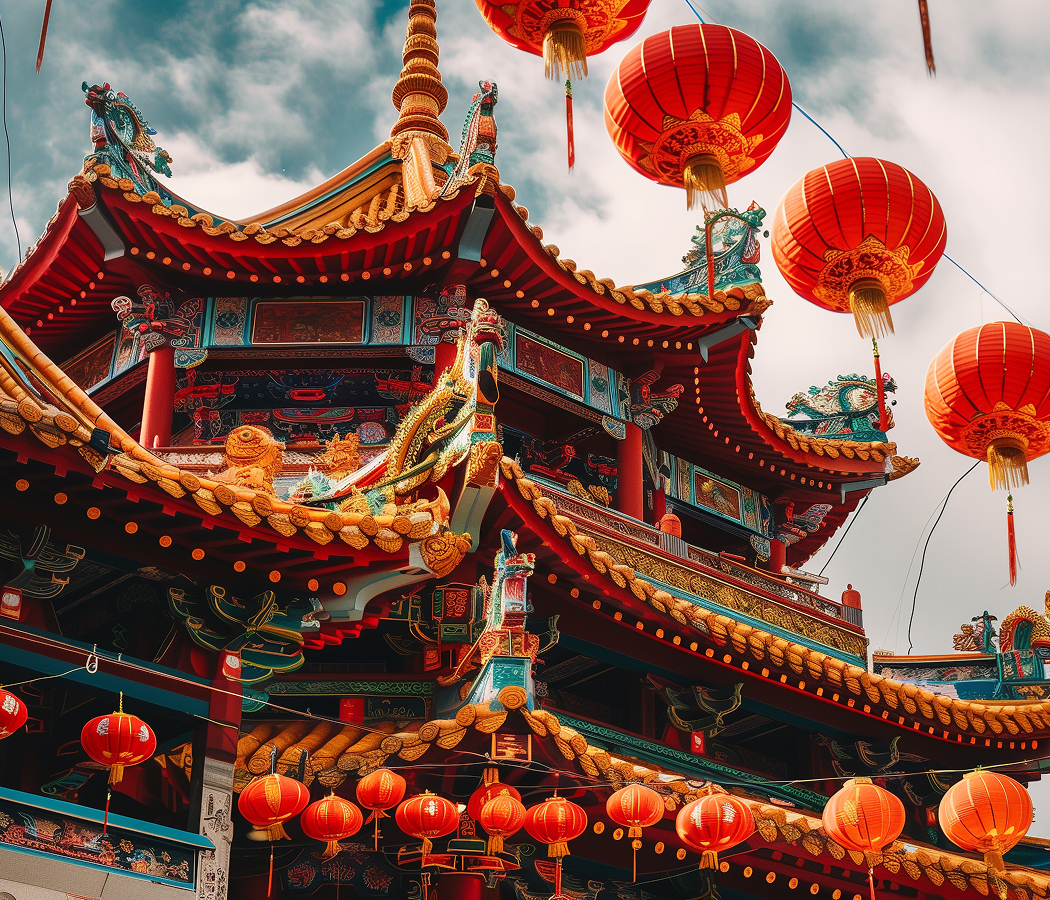
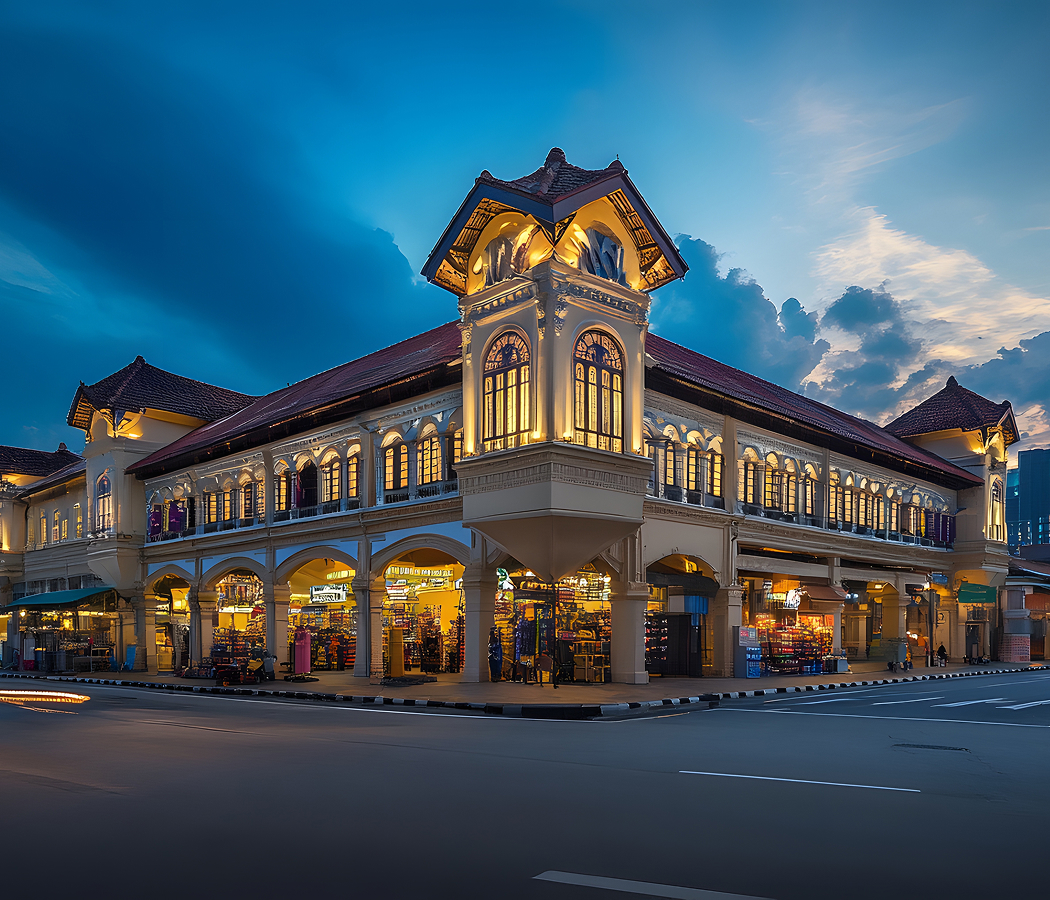
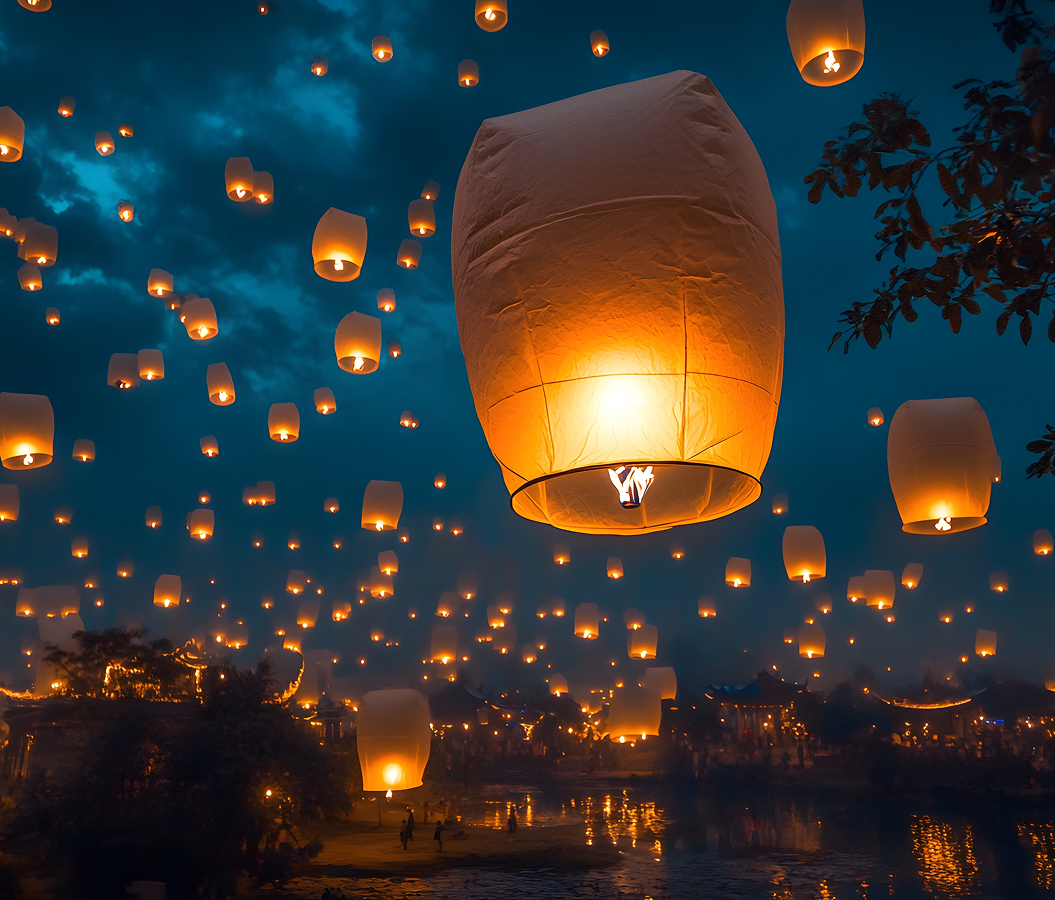
Named for its proximity to the Sri Mariamman Temple, whose ornate gopuram rises at its southern end, this narrow pedestrian lane feels like time folded in half. Beneath the shade of restored 19th-century shophouses, stalls overflow with embroidered silk robes, jade trinkets, sandalwood fans, and hand-painted calligraphy scrolls. The air is thick with incense and roasted chestnuts, punctuated by the occasional burst of laughter or the hiss of a wok from a nearby café. Lanterns flutter overhead like floating embers, their red glow reflecting off brass ornaments and glass displays. Vendors call out in multiple languages, Mandarin, English, Malay, Tamil, a living echo of the city's layered soul. Pagoda Street Market is where tradition feels tactile, where you can literally brush your fingers against Singapore's cultural fabric.
What defines Pagoda Street.
What most travelers never realize is that Pagoda Street was once far from the festive heart it is today, it was the artery through which Singapore's earliest Chinese immigrants first entered the city's story.
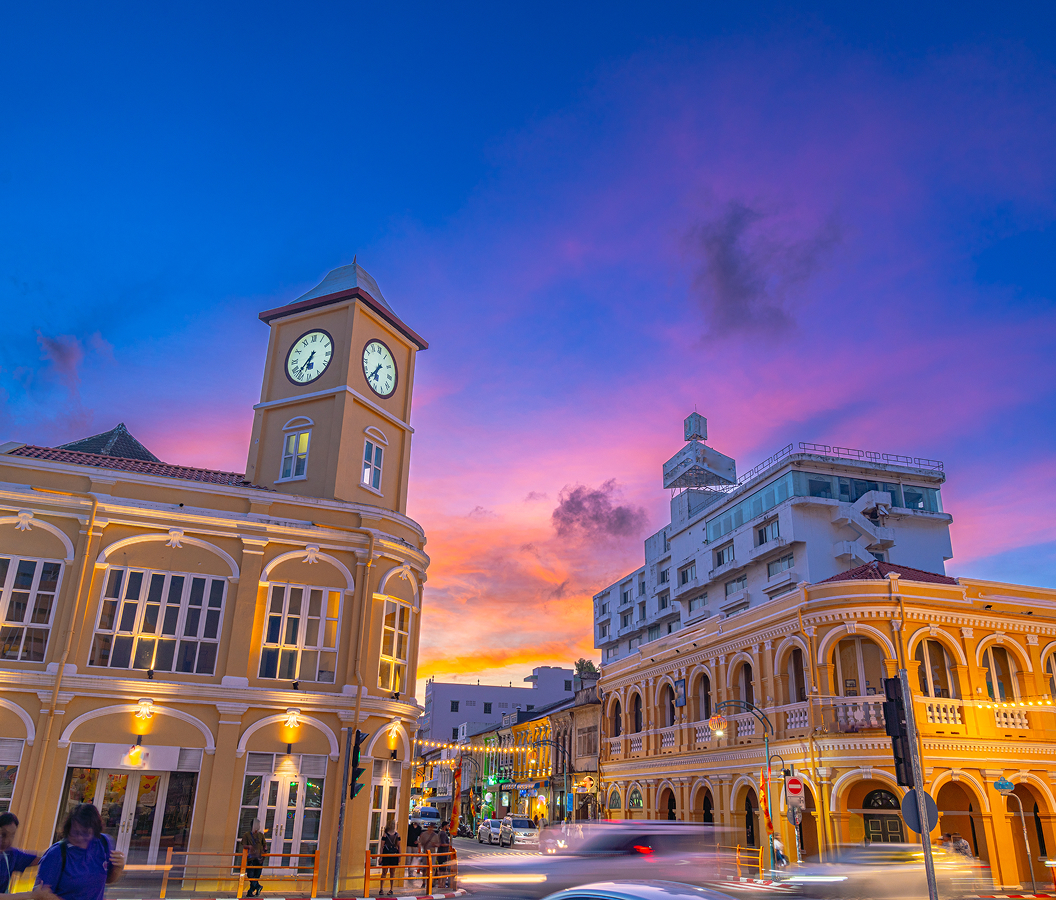
In the mid-1800s, the area was a thriving enclave of coolie quarters, clan associations, and lodging houses, a gateway for laborers who arrived seeking fortune and freedom. Many of the shophouses that now sell souvenirs once sheltered migrants who built the foundations of modern Singapore. The street's name itself pays homage to the nearby temple, symbolizing protection for those far from home. Today, careful conservation has preserved that layered history: façades repainted in pastel hues, intricate wooden lattices restored, yet the essence remains, thriving, transient, alive. Beneath the modern veneer of keychains and silk scarves beats a deeper rhythm, among resilience, faith, and enterprise. Every shopkeeper here, knowingly or not, continues that legacy, turning trade into tradition.
How Pagoda Street fits.
To fold Pagoda Street Market into your Singapore journey, come with open eyes and unhurried steps.
Arrive in the late afternoon, when sunlight filters through the hanging lanterns and the street begins to glow like an oil painting. Wander slowly from temple to train station, pausing to admire the architecture, shophouses with ornate stucco, tiled walkways, and iron grilles that whisper stories of another century. Sample what tempts you: dried mango, coconut candy, or a fresh sugarcane juice pressed before the eyes. Step into the side alleys, Trengganu, Sago, Temple Street, where the crowd thins and artisans still carve jade or write your name in brush calligraphy. When night falls, return to the center of Pagoda Street, stand beneath the lanterns, and look toward the illuminated gopuram of the Sri Mariamman Temple. The scent of incense will mingle with the sound of street music, and for a moment, you'll feel the city's heartbeat, not rushed, not modern, but eternal. Pagoda Street Market doesn't just sell souvenirs; it sells a story, one that you carry long after the night fades.
Where your story begins.
Foresyte Travel reveals places that feel extraordinary long before you arrive.
Enjoy editorial crafted for luxury travelers.
Foresyte may earn a commission when you book.