Why you should experience Öskjuhlíð in Reykjavík, Iceland.
Öskjuhlíð offers a rare kind of peace, a quiet, pine-scented refuge rising right in the heart of Reykjavík, where city noise gives way to birdsong and sea breeze.
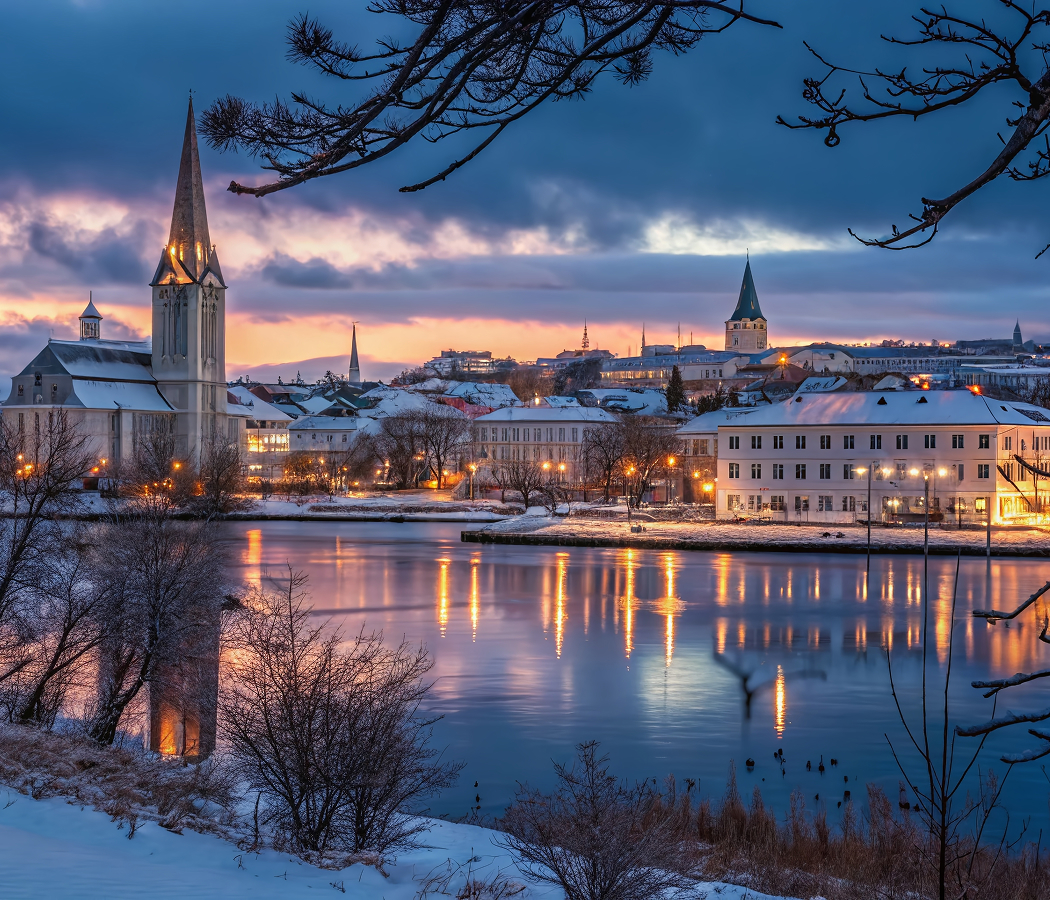
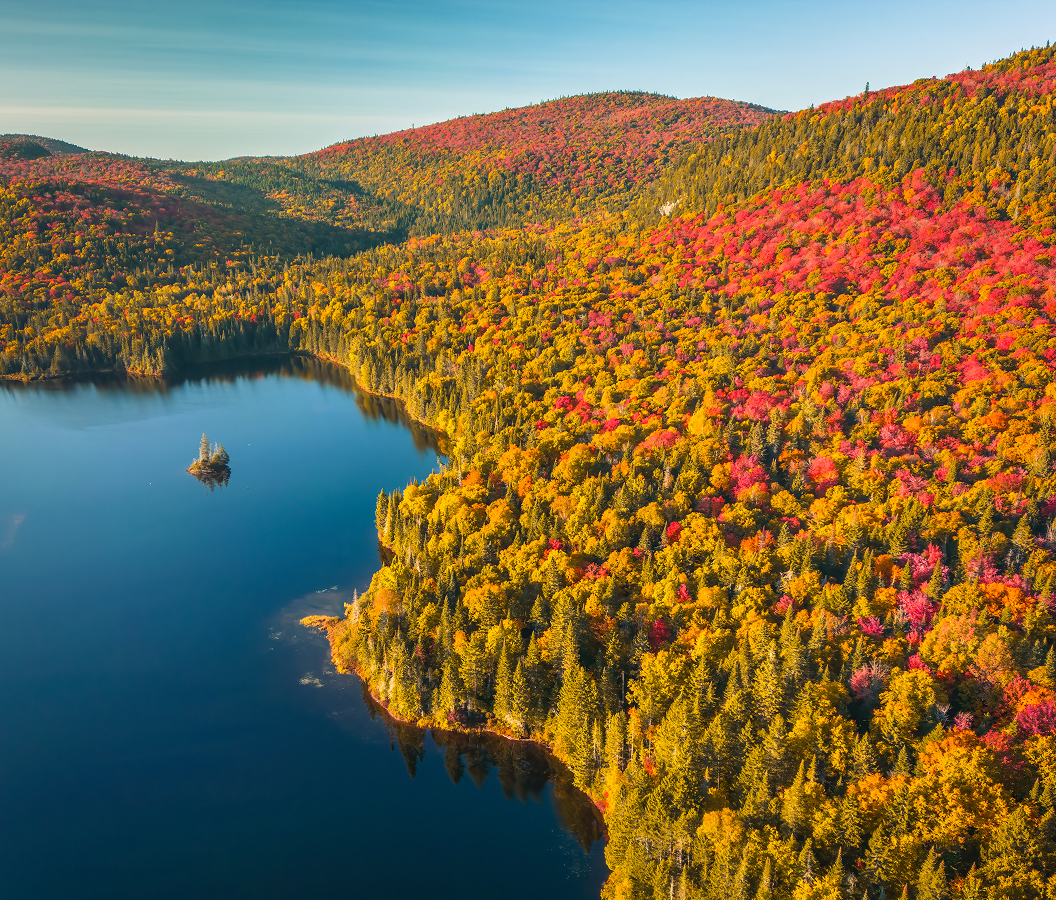
Encircling the iconic glass dome of Perlan, these wooded trails weave through a landscape that feels half-wild, half-mythic. Sunlight filters through tall pines and birches, dappling moss-covered paths that climb gently toward viewpoints overlooking the bay and distant mountains. Along the way, the air grows cooler and richer with the scent of resin and wet earth, and the rhythmic crunch of gravel underfoot becomes meditative. From certain bends, you catch fleeting glimpses of the ocean, the downtown skyline, and the volcanic ridges that frame the horizon. The trails themselves feel like Reykjavík's collective heartbeat, a place where joggers, families, and wanderers all drift between forest and sky. In summer, wildflowers bloom in patches of violet and white; in winter, the snow muffles every sound until the forest feels suspended in time. Walking these paths is less about exercise than about renewal, an invitation to breathe deeply, slow down, and remember that Iceland's natural calm begins right at its capital's edge.
What you didn’t know about Öskjuhlíð.
Öskjuhlíð area holds more history, and mystery, than most visitors realize.
During World War II, it was occupied by Allied forces, who built a network of bunkers and tunnels still hidden beneath the hill's forest floor. Some of those concrete shelters remain today, overgrown with moss and partially reclaimed by nature, their entrances like secret portals along the quieter trails. The post-war reforestation that gave Öskjuhlíð its dense woodland was one of Reykjavík's earliest urban greening projects, transforming what was once barren volcanic soil into a living forest that now shelters more than 60 bird species. The network of trails was designed to align with the hill's natural contours, preserving its volcanic rock formations and minimizing erosion, an early example of sustainable city planning in Iceland. Few know that the name “Öskjuhlíð” comes from öskja, meaning “crater,” referencing the hill's ancient lava origins. Beneath your feet, layers of tuff and ash tell the story of eruptions that shaped this land long before Reykjavík existed. And though the forest feels wild, nearly every tree was planted by hand over the decades, a living testament to Iceland's determination to restore what once was lost.
How to fold Öskjuhlíð into your trip.
Öskjuhlíð pairs beautifully with a morning or afternoon visit to Perlan, which crowns the forest like a glass beacon.
Begin your walk at the base of the hill, near the geothermal sculpture “Journey,” and choose any of the looping trails that wind upward through the woods. Each path offers its own rhythm, some gentle and shaded, others climbing toward breathtaking vistas of Faxaflói Bay and the Snæfellsnes Peninsula. Wear comfortable shoes and bring a thermos of coffee; benches are scattered throughout the trails, perfect for quiet pauses amid the pines. If you're visiting at sunset, time your walk to reach the upper viewpoint as the city glows below and the sky turns amber over the bay. In winter, the trails take on a hushed, dreamlike beauty, especially under soft lamplight reflecting off the snow. When you're finished, step inside Perlan for warmth, a meal at the revolving restaurant, or a visit to the museum beneath the dome. skjuhlíð reminds you that in Reykjavík, wilderness isn't something you have to travel to find, it's waiting just beyond the trees.
Where your story begins.
Start your planning journey with Foresyte Travel.
Experience immersive stories crafted for luxury travelers.