Why you should experience Lapangan Puputan Renon in Indonesia.
Lapangan Puputan Renon in Denpasar is where Bali's history, pride, and peace converge in one vast, living memorial.
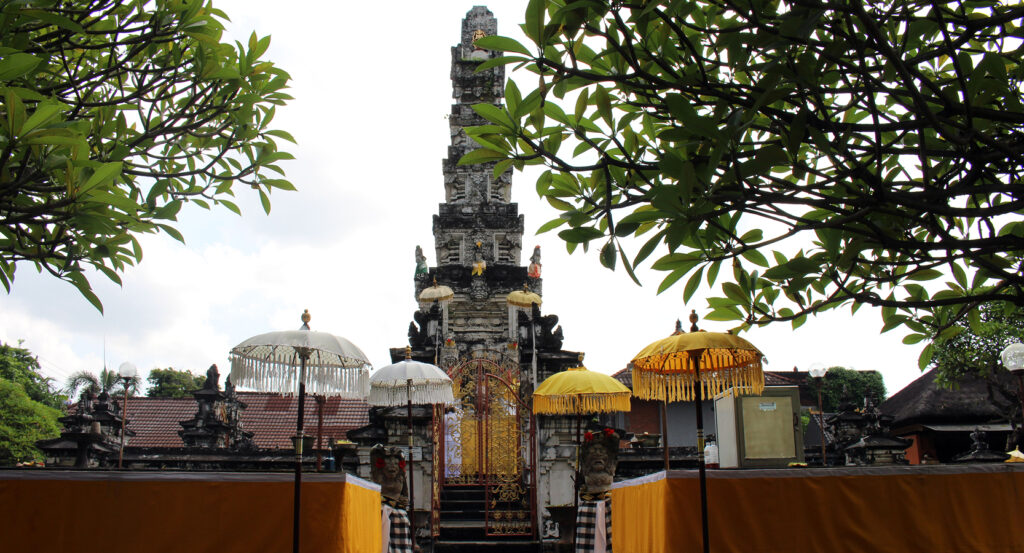
Stretching across the heart of the city, the park feels both regal and reflective, a green sanctuary framed by banyan trees, fountains, and pathways lined with stone carvings that whisper stories of heroism. At its center rises the striking Bajra Sandhi Monument, its bell-shaped tower reaching toward the sky, symbolizing the island's enduring spirit of independence. Locals come here not just for leisure but for remembrance, to jog beneath the morning sun, to gather at dusk, or to pay silent homage to those who fought for Bali's freedom. The air hums with calm yet carries the quiet dignity of sacrifice. When the wind moves through the palms and temple bells ring faintly in the distance, you understand: this isn't just a park, it's the heartbeat of Denpasar, pulsing with the legacy of those who dared to dream of sovereignty.
What you should know about Lapangan Puputan Renon.
Lapangan Puputan Margarana Park is named after the Puputan Margarana battle of 1946, a defining moment in Bali's struggle for independence against Dutch colonial forces.
The word puputan means “fight to the end,” a term that encapsulates the Balinese code of honor, to defend freedom even at the cost of life. This park commemorates that spirit through both design and symbolism. The grand Bajra Sandhi Monument at its core, often mistaken for a temple, was built to embody the soul of the Balinese people. Its thirty-three dioramas inside chronicle the island's journey from prehistoric times through the independence movement, offering a visual narrative of resilience. Surrounding the monument, each statue and relief depicts the unity of warriors and villagers, men and women, bound by shared purpose. Even the park's circular layout holds meaning, the center represents Bali's heart, while the radiating paths symbolize the island's outreach to the world. Few visitors realize that the park's name and monument honor I Gusti Ngurah Rai, the Balinese national hero whose name now graces the island's airport. His leadership and sacrifice live on in every detail, from the positioning of the monument facing east toward the rising sun, to the ceremonial flags that flutter during national holidays.
How to fold Lapangan Puputan Renon into your trip.
Begin your visit early in the morning or as the golden hour unfolds across the lawns, when the park's quiet grandeur reveals itself.
Start at the Bajra Sandhi Monument, climb its spiraling staircases to the viewing deck, where Denpasar unfolds beneath you in a mosaic of temples, palms, and rooftops. Inside, the dioramas bring Bali's history to life in a way that feels intimate and profound. Afterward, wander the park's outer paths where locals practice yoga, children chase kites, and elders sit beneath the banyans exchanging gentle laughter. If you come at sunset, you'll witness the daily ritual of offerings laid at the monument's base, canang filled with flowers, rice, and incense, their smoke curling upward like whispers of gratitude. Bring a notebook or camera, but more importantly, bring stillness. The park's beauty lies in its rhythm, where the past and present coexist in the same breath. Before leaving, stand once more before the monument and look up. The Bajra's spire glows softly against the fading light, a symbol of peace won through courage. Lapangan Puputan Margarana Park in Denpasar isn't simply a destination, it's Bali's collective memory carved into the landscape, a reminder that freedom, like faith, must be tended to every day.
Where your story begins.
Foresyte Travel reveals places that feel extraordinary long before you arrive.
Experience premium editorial crafted for luxury travelers.