Why Purdy Avenue matters.
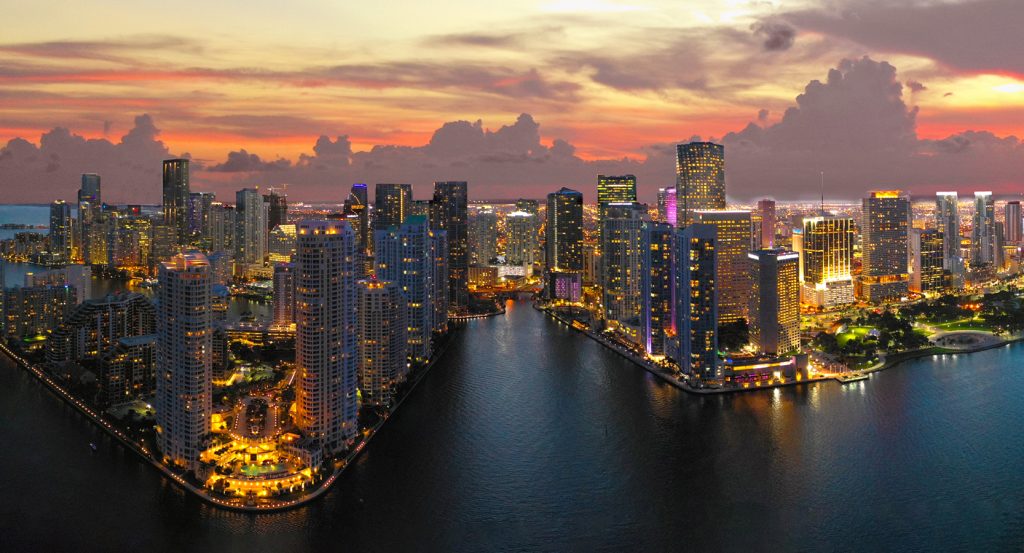
Purdy Avenue is a cultivated corridor where Bayshore's waterfront setting, Miami Beach's architectural heritage, neighborhood sophistication, and enduring residential character continue defining one of the city's most distinctive inland streets.
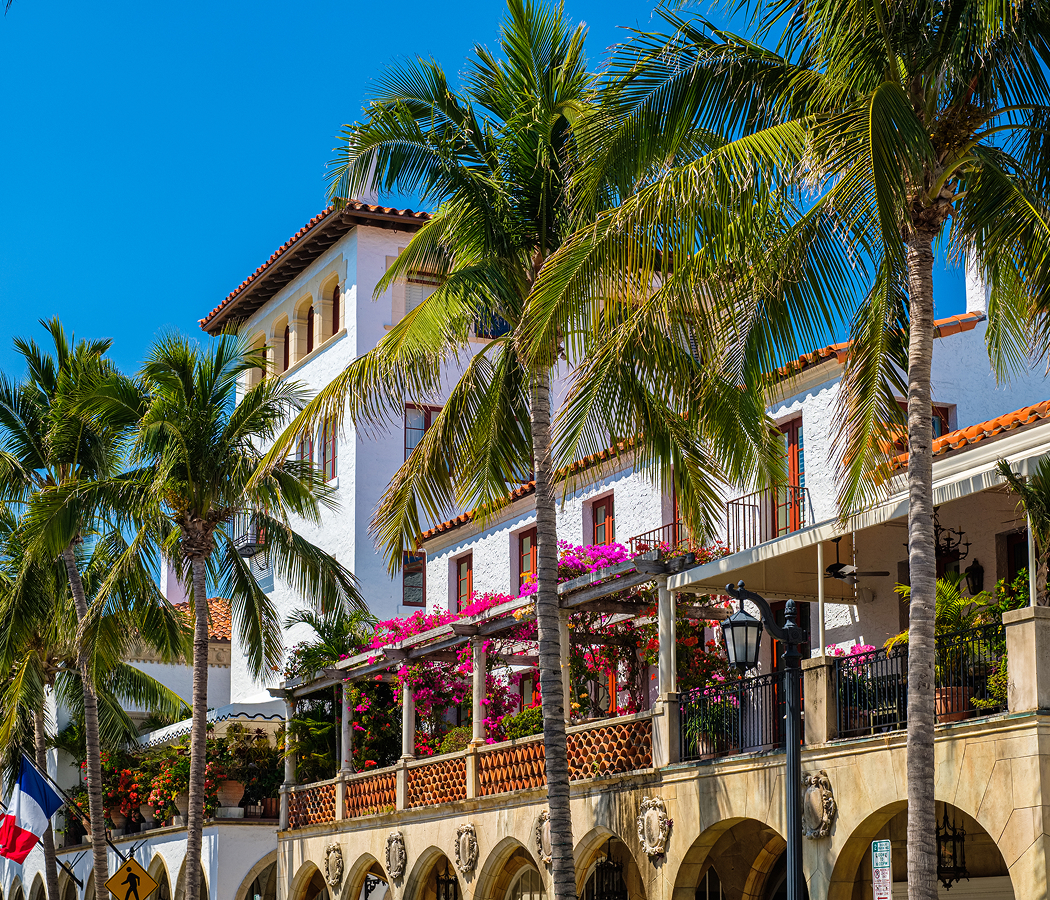
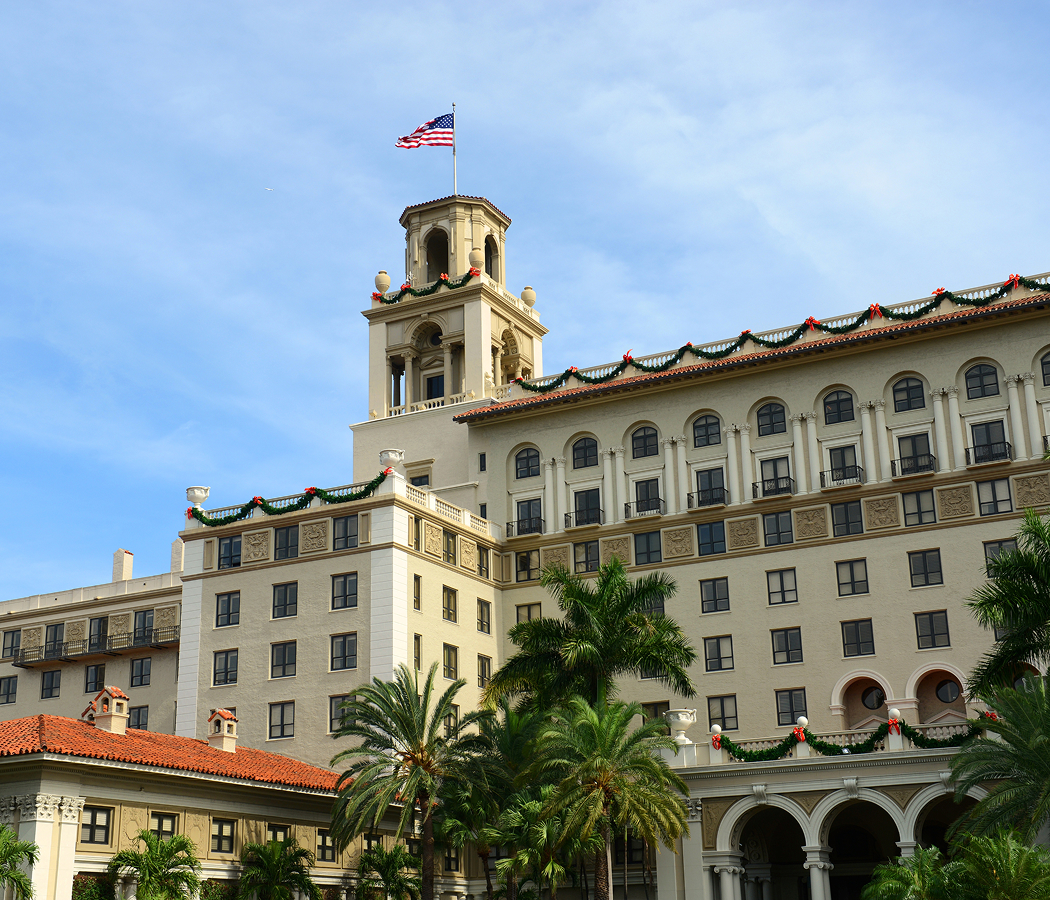
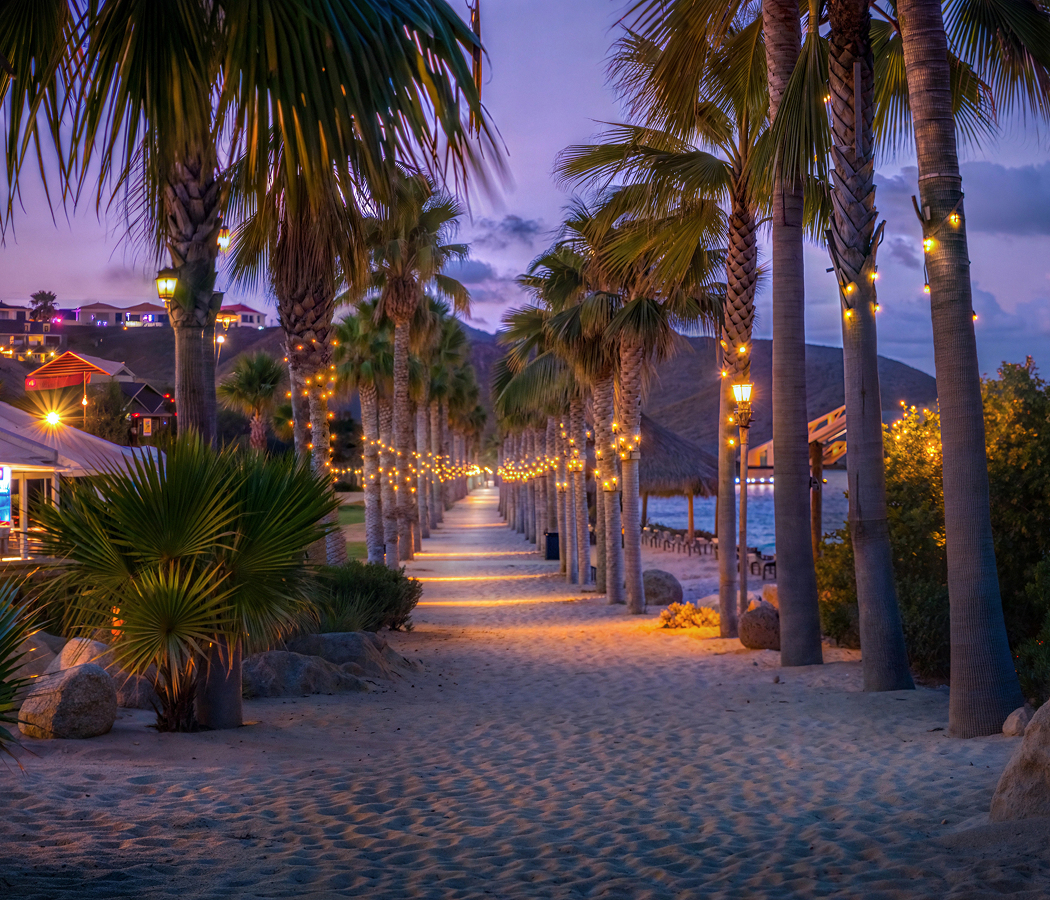
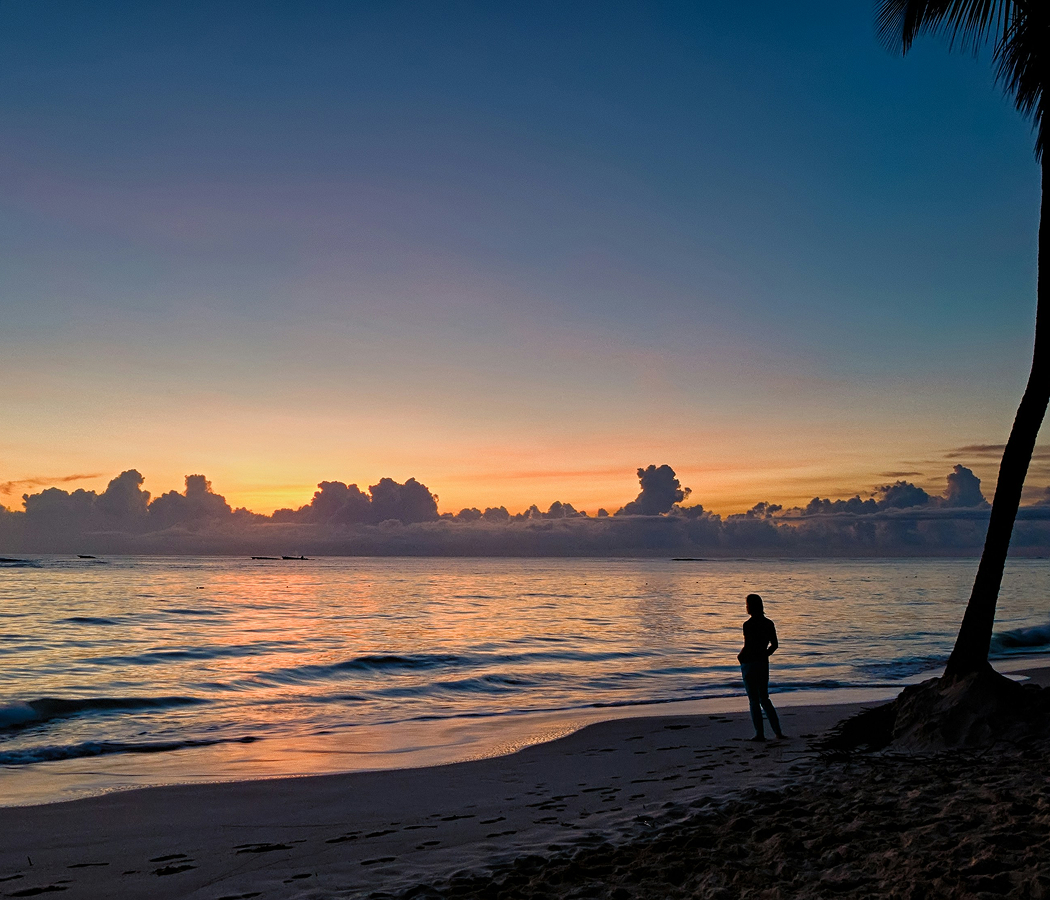
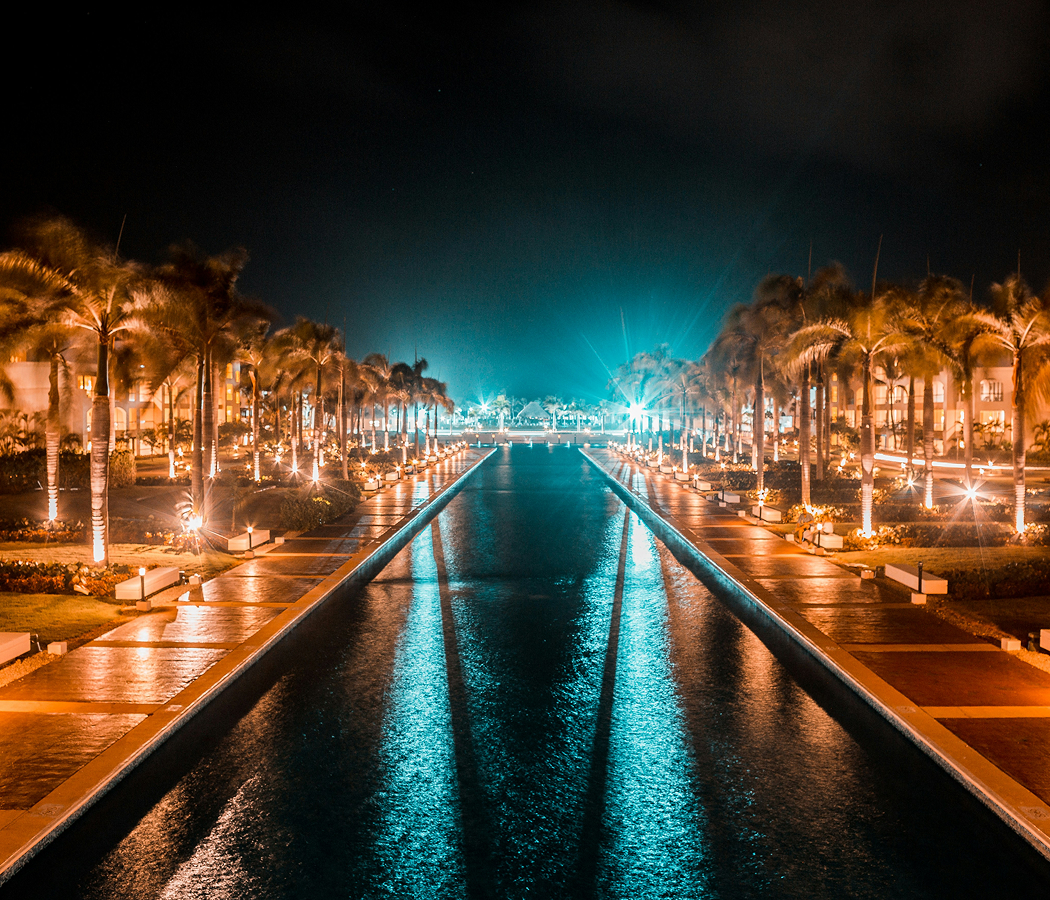
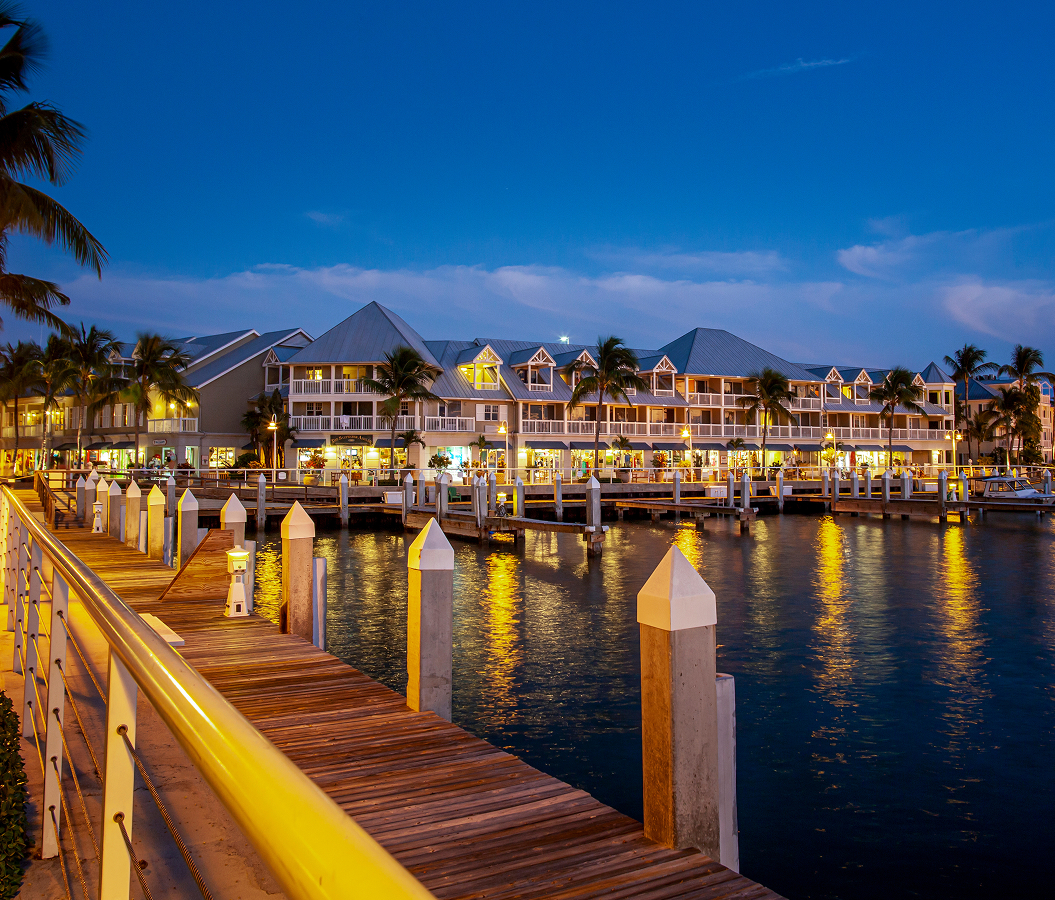
Running through Bayshore between City Center and Sunset Harbour, the corridor connects waterfront residences, boutique offices, neighborhood restaurants, marinas, shaded sidewalks, and mature royal palms that collectively reflect Miami Beach's evolution from planned resort community to energetic urban neighborhood. Mediterranean Revival buildings, contemporary residential architecture, tropical landscaping, and broad pedestrian spaces create a streetscape where Biscayne Bay remains an ever-present influence. Throughout the corridor, thoughtfully integrated mixed-era architecture, longstanding neighborhood institutions, and locally owned businesses reinforce a setting whose character has matured through careful reinvestment while preserving its coastal character. The result is an experience defined by refinement, walkability, and one of Miami Beach's most appealing neighborhood corridors.
What defines Purdy Avenue.
Purdy Avenue is best known for linking the Bayshore neighborhood with the western edge of Miami Beach, an area transformed after Carl G. Fisher's development campaigns during the 1910s and 1920s established the barrier island as one of America's foremost resort destinations. The corridor developed alongside Biscayne Bay as extensive dredging, land reclamation, and canal construction expanded the island's buildable footprint while creating waterfront residential districts and marina-oriented commercial activity. Buildings adjoining Purdy Avenue reflect successive phases of Miami Beach architecture through Mediterranean Revival apartments, Art Deco commercial buildings, Mid-Century Modern residences, and contemporary mixed-use developments that collectively document nearly a century of urban growth. The nearby Collins Canal, completed in 1912 to improve navigation and drainage across the island, strengthened connections between Biscayne Bay and the Atlantic-facing resort districts while influencing the surrounding street network. Royal palms, coconut palms, gumbo limbo, sea grape, silver buttonwood, and native coastal vegetation continue reinforcing the subtropical landscape that distinguishes Purdy Avenue from inland urban corridors.
The Miami Beach Botanical Garden, extensively redesigned by landscape architect Raymond Jungles and reopened in 2011, demonstrates how native and subtropical plant collections have become integral to the environmental character surrounding Purdy Avenue while showcasing more than one hundred species adapted to South Florida's climate. Nearby the Holocaust Memorial Miami Beach, dedicated in 1990 and designed by Kenneth Treister, introduced one of the city's most significant works of commemorative sculpture, enriching the cultural landscape that complements the corridor's architectural setting. Coral stone walls, terrazzo paving, native limestone, and marine-grade architectural detailing repeated throughout adjoining properties demonstrate how durable coastal materials have shaped construction practices within this bayfront environment. Together, these botanical resources, cultural landmarks, and enduring architectural materials deepen the historical narrative established by the surrounding waterfront landscape, demonstrating why Purdy Avenue remains closely connected to Miami Beach's architectural and environmental identity.
How Purdy Avenue fits.
Purdy Avenue works as a waterfront exploration of Miami Beach's parks, neighborhood culture, and coastal atmosphere.
Begin at Maurice Gibb Memorial Park, where Biscayne Bay views, shaded lawns, and waterfront seating provide a memorable introduction before following Purdy Avenue through the surrounding neighborhood. Continue to Sunset Harbour, whose marinas, independent boutiques, and energetic dining scene reveal the district's contemporary waterfront character. Conclude at Lincoln Road, where celebrated architecture, outdoor public spaces, and one of Miami Beach's premier pedestrian promenades provide a fitting finale connecting the corridor to the city's broader cultural life. The progression moves naturally from tranquil waterfront scenery through an active marina district before concluding within one of Miami Beach's defining civic spaces, revealing why Purdy Avenue remains one of the city's most rewarding neighborhood corridors.
Where your story begins.
Foresyte Travel reveals places that feel extraordinary long before you arrive.
Enjoy editorial crafted for luxury travelers.
Foresyte may earn a commission when you book.