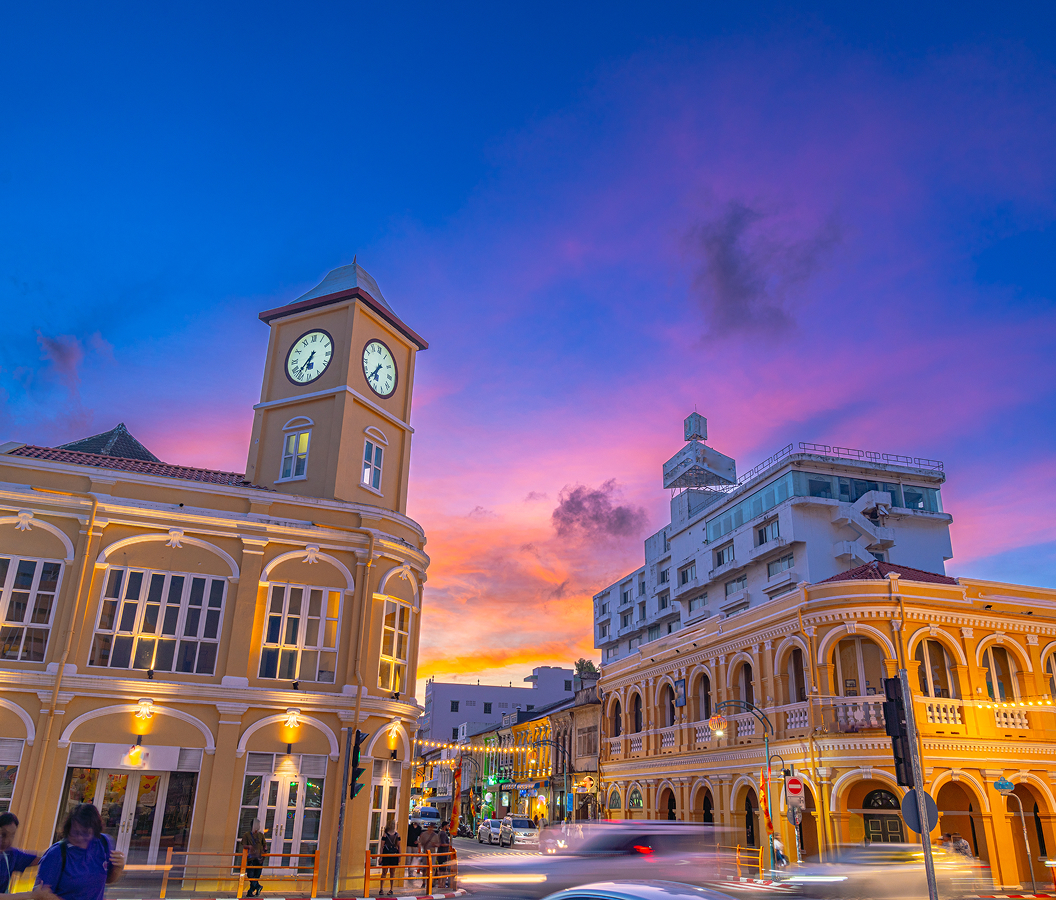
Why you should experience Rachamankha Boutique Hotel in Thailand.
Rachamankha Boutique Hotel is where time collapses inward, where silence carries weight, and where architecture becomes philosophy, a place that feels less like a hotel and more like a living manuscript written in stone, shadow, and intention.
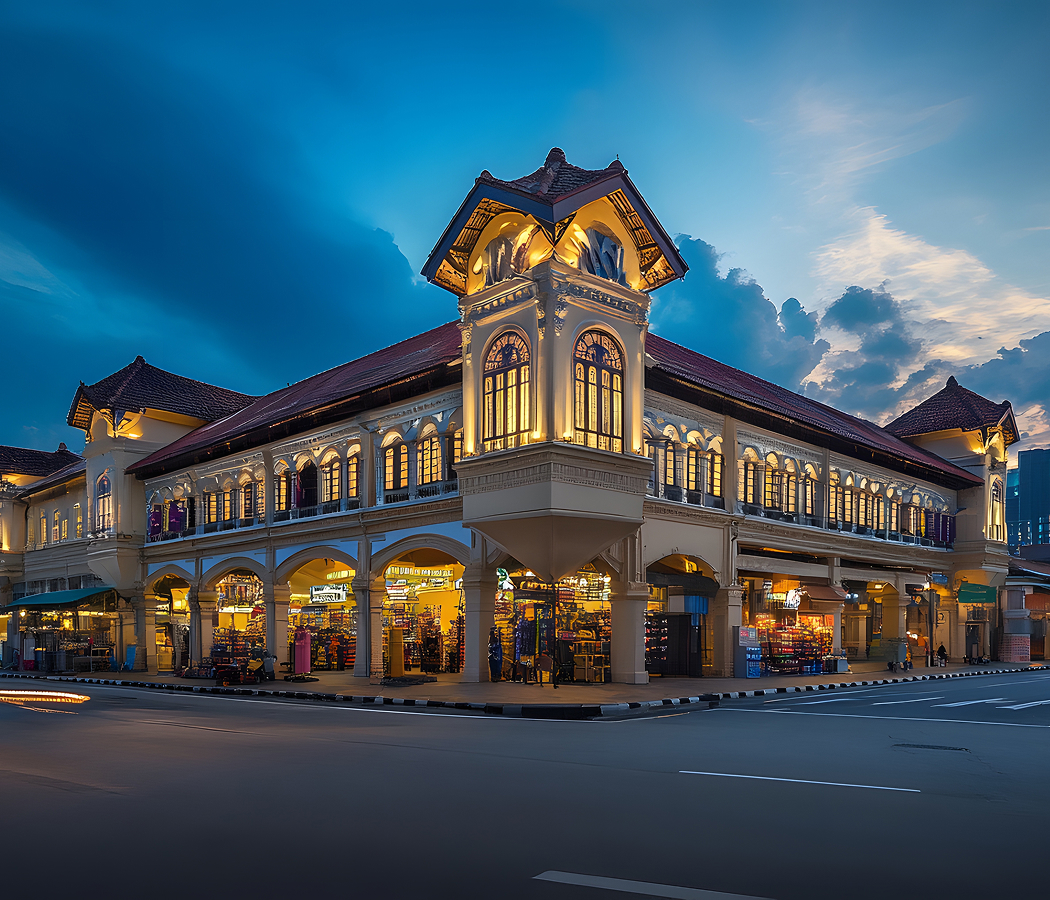
Hidden behind unassuming walls in Chiang Mai's Old City, Rachamankha does not reveal itself easily or quickly. Entry feels ceremonial, almost monastic. One passes from street noise into stillness so complete it feels like a physical substance. The transition is immediate and disarming. Designed by Thai architect and scholar Ong-ard Satrabhandhu, the property is inspired by classical Chinese courtyard houses and Buddhist monastic compounds, and it carries itself with the same restraint, discipline, and quiet authority. Geometry governs everything here. Courtyards open and close with deliberate symmetry. Corridors frame light as if it were sacred text. Stone, plaster, wood, and clay are used not decoratively, but philosophically, each material chosen for how it ages, absorbs sound, and reflects time. There is no visual clutter, no attempt to entertain or distract. The hotel asks something rare of its guests: attention. Movement through Rachamankha is slow by necessity. Paths curve inward. Sightlines end intentionally. You are guided not forward, but deeper. Each courtyard feels like a pause rather than a destination, with trees, water features, and sculptural elements arranged to encourage stillness. The atmosphere is contemplative without being austere, serene without being cold. Silence here is not emptiness, it is presence. Rooms extend this character with profound discipline. Accommodations are spare but warm, refined but never indulgent. Interiors favor hand-plastered walls, dark woods, subtle textiles, and furniture that feels collected. Beds are deeply comfortable, inviting rest. Lighting is low, indirect, and intentionally subdued, allowing the room to feel like a sanctuary. Windows frame courtyards or garden walls, reinforcing the inward-facing philosophy of the property. Bathrooms feel elemental, stone basins, simple fixtures, water treated as ritual. Nothing here is designed to impress quickly. Everything is designed to last. Mornings at Rachamankha unfold. Light filters slowly into courtyards. The air feels cool and still. Breakfast is served quietly, almost reverently, in spaces that feel removed from time. The experience encourages reflection. Afternoons are best spent wandering the property slowly, sitting in shaded corners, reading, or doing nothing at all. Even when you leave to explore temples or markets nearby, returning feels like stepping back into a cloistered interior world where the external noise dissolves at the threshold. As evening approaches, the hotel deepens into something almost sacred. Lanterns glow softly against stone walls. Shadows lengthen. Dining becomes intimate and deliberate, with cuisine that reflects the same restraint and cultural respect as the architecture. Conversations drop to whispers. Night feels heavy with stillness, and sleep arrives naturally, deeply. Rachamankha Boutique Hotel does not offer escape through pleasure. It offers refuge through meaning.
What you should know about Rachamankha Boutique Hotel.
Rachamankha Boutique Hotel was conceived as an architectural thesis as much as a hospitality space, a living exploration of classical Asian aesthetics, Buddhist philosophy, and the resonant power of restraint.
The hotel's name itself references a historical royal pavilion, signaling its intellectual lineage from the outset. Architect Ong-ard Satrabhandhu is known for his belief that architecture should shape moral and resonant behavior, not merely shelter it. This philosophy is embedded in every proportion and pathway at Rachamankha. The inward-facing courtyards reflect Buddhist concepts of introspection and impermanence, while the deliberate lack of ornamentation resists the modern urge toward excess. Unlike many “boutique” hotels that rely on maximalist storytelling, Rachamankha trusts silence as its narrative device. This has a profound psychological effect. Guests often report an immediate slowing of thought, a heightened awareness of sound and light, and an unusual sense of groundedness after only a few hours on the property. Service culture mirrors this restraint precisely. Hospitality here is deeply respectful, observant, and unintrusive. Staff move quietly, speak softly, and appear only when needed, reinforcing the sense that privacy is a form of care. Dining philosophy aligns with this character. Menus emphasize traditional flavors, careful preparation, and balance. Meals are meant to nourish without distracting, allowing the environment to remain the primary experience. Another lesser-known aspect of Rachamankha is how it resists commodification. There are no loud branding elements, no experiential programming designed for performance, no encouragement to document. This resistance is intentional. The hotel is designed for travelers who value depth over display, and who are willing to meet the space on its own terms. Over time, guests often realize that Rachamankha reframes luxury as discipline. The discipline to do less. To listen more. To allow beauty to emerge through proportion, patience, and absence. This intellectual and resonant rigor is what gives the hotel its enduring power.
How to fold Rachamankha Boutique Hotel into your trip.
Rachamankha Boutique Hotel is best experienced when you allow it to stand apart from the rest of your itinerary rather than blending it into constant movement.
Arrive with the intention to slow down. Avoid scheduling activities on your first afternoon. Instead, walk the courtyards, sit in shaded spaces, and let the architecture reorient your senses. Begin mornings quietly, without rushing to leave the property, allowing light and silence to shape your internal rhythm before stepping outward. Explore Chiang Mai's temples and Old City on foot, returning frequently to the hotel so the contrast between movement and stillness remains intact. Keep afternoons unstructured, read, write, think, or do nothing at all. Treat dining as part of the contemplative experience. Evenings should remain subdued, allowing lantern light, shadow, and quiet conversation to define the mood. Avoid loud nightlife or overstimulation during your stay, as it fractures the psychological continuity Rachamankha so carefully constructs. On your final day, do less than you think you should. Let the silence deepen.
Where your story begins.
Foresyte Travel reveals places that feel extraordinary long before you arrive.
Experience premium editorial crafted for luxury travelers.