
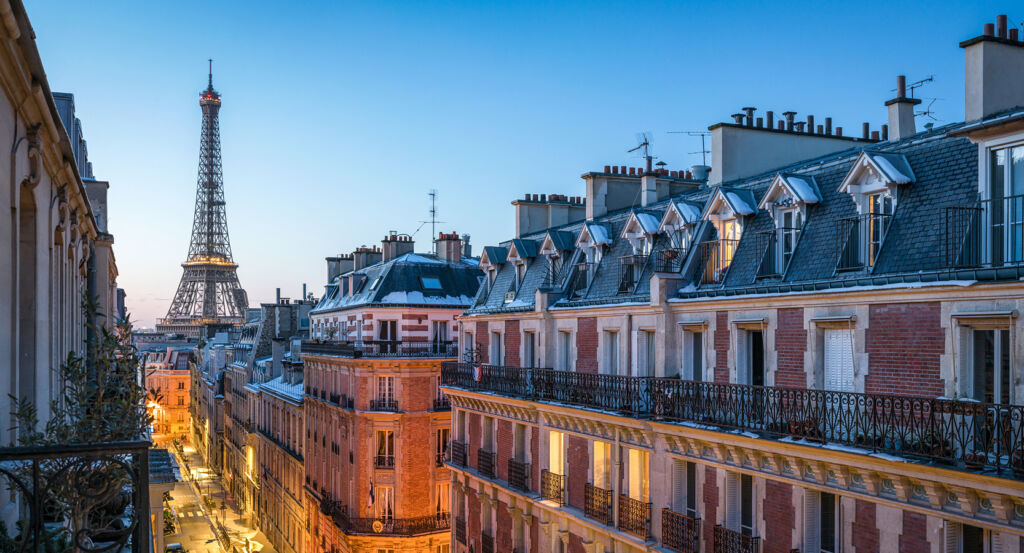
Why Rue Vieille du Temple matters.
Rue Vieille du Temple is a renowned Saint-Gervais corridor where medieval origins, aristocratic grandeur, creative energy, and centuries of Parisian life converge along one of the capital's most enduring historic streets.
Running through Saint-Gervais between Rue de Rivoli and Rue de Bretagne, this remarkable historic corridor unfolds through grand hôtels particuliers, elegant Renaissance façades, independent fashion houses, contemporary galleries, neighborhood cafés, and beautifully preserved streetscapes that express nearly eight centuries of uninterrupted urban evolution. Ancient masonry, sculpted portals, hidden courtyards, and refined architectural ensembles reveal a streetscape where noble families, religious institutions, merchants, artisans, and today's creative industries have continually shaped one of Paris' defining neighborhoods. Every block carries another chapter of the city's story, creating an experience where architectural continuity and contemporary culture exist in remarkable harmony. The result is a corridor defined by historical depth, cultural vitality, and one of Le Marais' most rewarding urban promenades.
What defines Rue Vieille du Temple.
Rue Vieille du Temple is best known for preserving the medieval route leading to the fortified enclosure of the Knights Templar, established by the mid thirteenth century, before evolving into one of seventeenth century Paris' most prestigious aristocratic addresses through the construction of exceptional hôtels particuliers including Hôtel d'Amelot de Bisseuil, Hôtel d'Hozier, and Hôtel de Rohan. The corridor also entered archaeological history in 1882 with the discovery of the celebrated Treasure of Rue Vieille du Temple, a cache of 7,822 fourteenth century gold coins weighing twenty-nine kilograms, making it one of France's most important medieval numismatic discoveries while reinforcing the street's extraordinary connection to successive eras of Parisian history.
Historic mansions, carefully preserved residential buildings, and centuries-old commercial façades continue illustrating how Rue Vieille du Temple evolved without sacrificing the architectural character that distinguishes Le Marais today. Fashion boutiques, independent galleries, artisan workshops, and neighborhood institutions now animate buildings whose sculpted entrances, elegant courtyards, and enduring stonework preserve one of the capital's richest architectural ensembles while celebrating the remarkable continuity of everyday Parisian life.
How Rue Vieille du Temple fits.
Rue Vieille du Temple works as an exploration through Le Marais' extraordinary architectural heritage, museums, and historic public spaces.
Begin at Musée Carnavalet, where centuries of Parisian history provide the perfect introduction before strolling onto Rue Vieille du Temple to experience one of the city's oldest surviving thoroughfares. Continue to Musée Picasso, whose world renowned collection occupies one of Le Marais' finest seventeenth century hôtels particuliers while deepening appreciation for the neighborhood's artistic legacy. Conclude at Place des Vosges, where France's oldest planned royal square provides a grand finale through harmonious arcades, elegant gardens, and one of Paris' greatest architectural ensembles. The progression moves naturally from the story of Paris itself to one of its oldest streets before concluding through two of Le Marais' defining cultural landmarks, revealing why Rue Vieille du Temple remains one of the capital's essential historic corridors.
Where your story begins.
Foresyte Travel reveals places that feel extraordinary long before you arrive.
Experience premium editorial crafted for luxury travelers.
Foresyte Travel may earn a commission when you book through the link on this page.














































































































