Why you should experience Sri Mariamman Temple in Singapore.
Rising from the heart of Chinatown in a riot of color, sound, and devotion, Sri Mariamman Temple is Singapore's oldest Hindu sanctuary, a masterpiece of faith rendered in stone, paint, and rhythm.
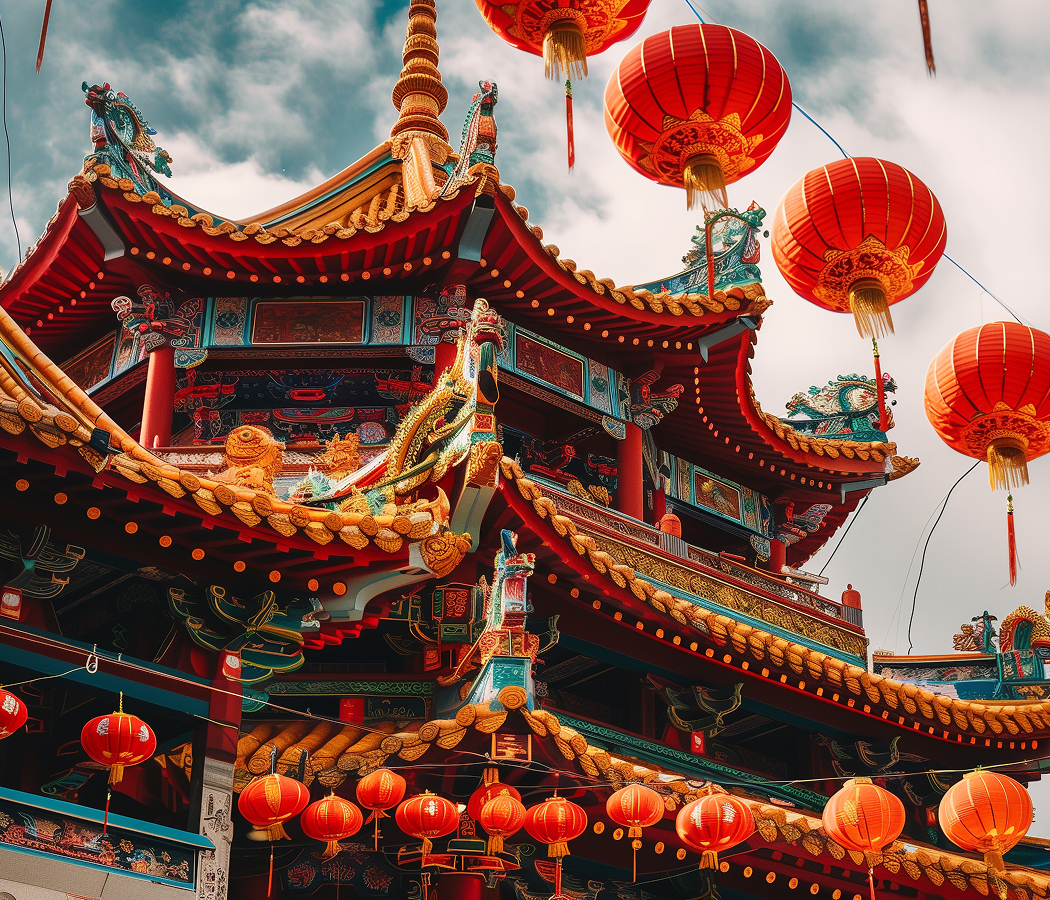
Its towering gopuram, the ornate entrance tower, greets you with a kaleidoscope of deities, warriors, and mythic beasts cascading skyward, every figure frozen in divine motion. Beneath this sculptural tapestry, incense coils curl into the humid air, the scent of jasmine and sandalwood wrapping the temple in living fragrance. Inside, granite floors gleam under flickering oil lamps, and bells chime in hypnotic intervals as devotees move in graceful procession, palms pressed together in prayer. Built in 1827 by Naraina Pillai, a South Indian businessman and early settler, the temple has been a cornerstone of spiritual and cultural life for nearly two centuries. Yet it's not solemn, it's alive. Every chant, every offering, every brushstroke of vermilion across a devotee's forehead feels like part of a centuries-long conversation between heaven and earth.
What you didn’t know about Sri Mariamman Temple.
What most travelers never realize is that Sri Mariamman Temple is more than a religious monument, it's an architectural autobiography of Singapore's plural soul.
The temple honors Mariamman, the goddess of rain and fertility, long revered in South India for her power to heal and protect. Its Dravidian-style design, typical of Tamil Nadu temples, unfolds like poetry in tiers, from the vibrant gopuram to the mandapam (main hall) where rituals pulse daily. The sculptures adorning its façade are not mere decoration; they are storytelling in three dimensions, recounting epics from the Ramayana and Mahabharata, as well as moral allegories central to Hindu cosmology. Over the years, artisans from India have maintained and renewed these figures by hand, preserving their vibrancy through meticulous craft. The temple's significance also extends beyond religion: it once served as a registry for Hindu marriages and a refuge for new immigrants arriving from the subcontinent. In its endurance, you feel the story of Singapore itself, one of migration, adaptation, and devotion held together by artistry.
How to fold Sri Mariamman Temple into your trip.
To fold Sri Mariamman Temple into your Singapore journey, visit not just to see, but to listen.
Come early morning, when the first rays of light filter through the gopuram and the air still hums with birdsong. Remove your shoes, step barefoot onto the cool granite, and let the sensory symphony envelop you, the clang of the temple bell, the chant of the priest, the faint hum of traffic beyond the gates. Watch as devotees circle the sanctum, offering garlands of marigold and trays of fruit, their gestures both humble and cosmic. If you return in the evening, the temple glows gold against the night, candles flickering like constellations, shadows of gods dancing on the walls. During October or November, the annual Theemithi (Fire Walking Festival) transforms the courtyard into a stage of transcendence, men crossing burning embers in barefoot devotion. Whether you come as observer or seeker, linger at the entrance before leaving. Look up once more at the gopuram, a riot of myth and color against the Singapore sky, and feel how faith, in all its forms, still builds the most breathtaking architecture of all.
Where your story begins.
Start your planning journey with Foresyte Travel.
Experience immersive stories crafted for luxury travelers.