Why you should experience St. George & The Dragon Statue in Stockholm, Sweden.
St. George & The Dragon Statue is more than sculpture, it's the soul of Stockholm carved into wood, faith, and myth.
Standing in the soft light of the Great Church's nave, this 15th-century masterpiece feels almost alive, a frozen heartbeat of courage, sacrifice, and divine triumph. The hero, poised on horseback, leans into his strike; the dragon, a grotesque tangle of scales and teeth, twists beneath him in one final, writhing defiance. Crafted from oak, elk antler, and iron by the German master Bernt Notke in 1489, the statue radiates a raw intensity that transcends religion. It's not just a tale of good vanquishing evil, it's Sweden's own story rendered in motion, a national symbol of freedom and spiritual resilience. Here, amid candlelight and centuries of prayer, you feel the echo of that battle, not distant, but continuous, waged in every age by those who choose courage over fear.
What you should know about St. George & The Dragon Statue.
This statue was commissioned to commemorate a real battle, the Swedish victory over Denmark at Brunkeberg in 1471, when Sten Sture the Elder triumphed against all odds.
Notke's sculpture, though steeped in religious iconography, became a political statement: St. George represented Sweden, the dragon symbolized Danish oppression, and the maiden, Stockholm itself. The relics of St. George were said to rest beneath the altar, sanctifying the piece as both artwork and shrine. Its craftsmanship remains extraordinary even by modern standards, carved from multiple species of wood and coated in gold leaf and pigment so delicate that restorers have spent decades preserving it. Look closely and you'll see details most visitors miss: the dragon's ribs splitting as if alive, the knight's armor engraved with miniature saints, and the horse's veins visible beneath translucent paint. The statue's base, adorned with weapons and roses, forms a symbolic battlefield where life and death meet in eternal balance. A replica now stands in Köpmantorget Square nearby, open to the weather and city life, a reminder that heroism, like the legend it honors, belongs to everyone.
How to fold St. George & The Dragon Statue into your trip.
Visit the Great Church in the quiet hours of morning or late afternoon, when sunlight angles through stained glass and lands directly upon the sculpture.
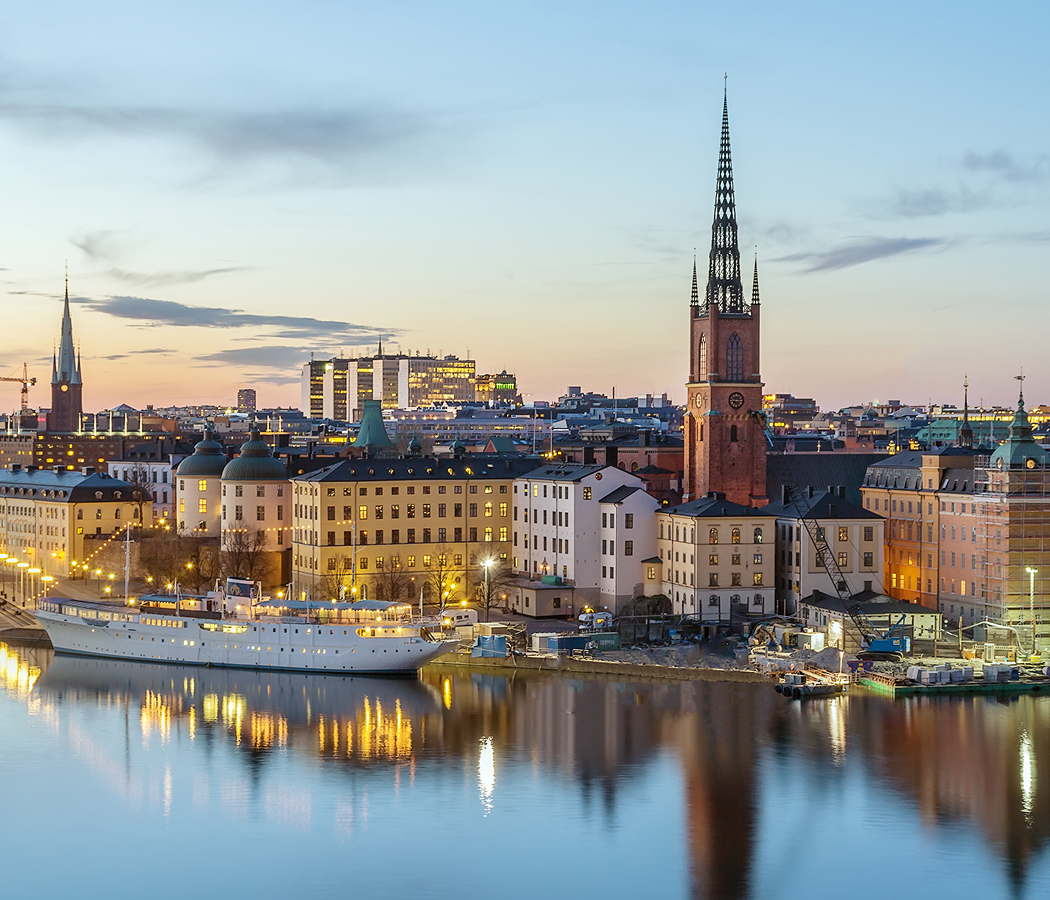
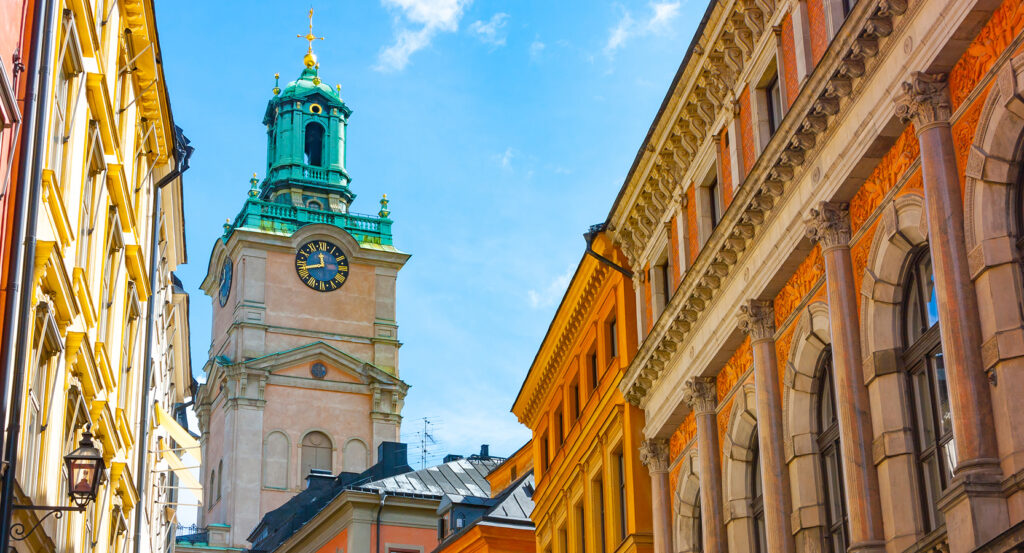
Stand at a distance first, letting the scene unfold in silhouette, then draw closer until you can see the grains of oak and the subtle shimmer of old gilding. Spend a moment reading the Latin inscription on the base, a dedication to courage, liberty, and faith. If you've already walked Gamla Stan's cobbled alleys, you'll recognize the story here mirrored in stone: the city's own endurance, its balance between beauty and battle. After the visit, step outside and walk toward Köpmantorget, where the outdoor replica faces the winding streets. Seeing both, one enclosed in sacred space, the other under open sky, creates a powerful duality: Stockholm's past and present, reverence and resilience. St. George & The Dragon Statue in Gamla Stan isn't merely a relic, it's a living emblem of the courage that built this city, still poised mid-strike, eternally victorious.
Where your story begins.
Foresyte Travel reveals places that feel extraordinary long before you arrive.
Experience premium editorial crafted for luxury travelers.