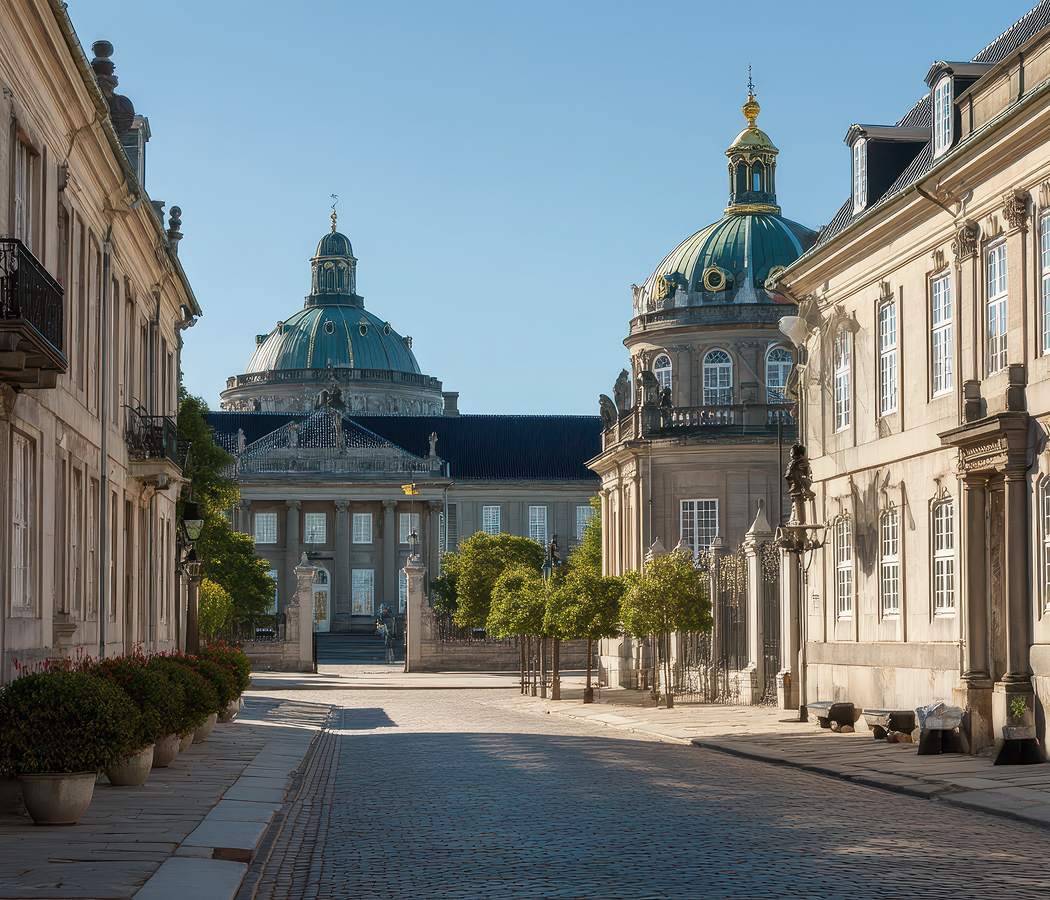
Why you should experience The Merchant Houses of Stockholm in Stockholm, Sweden.
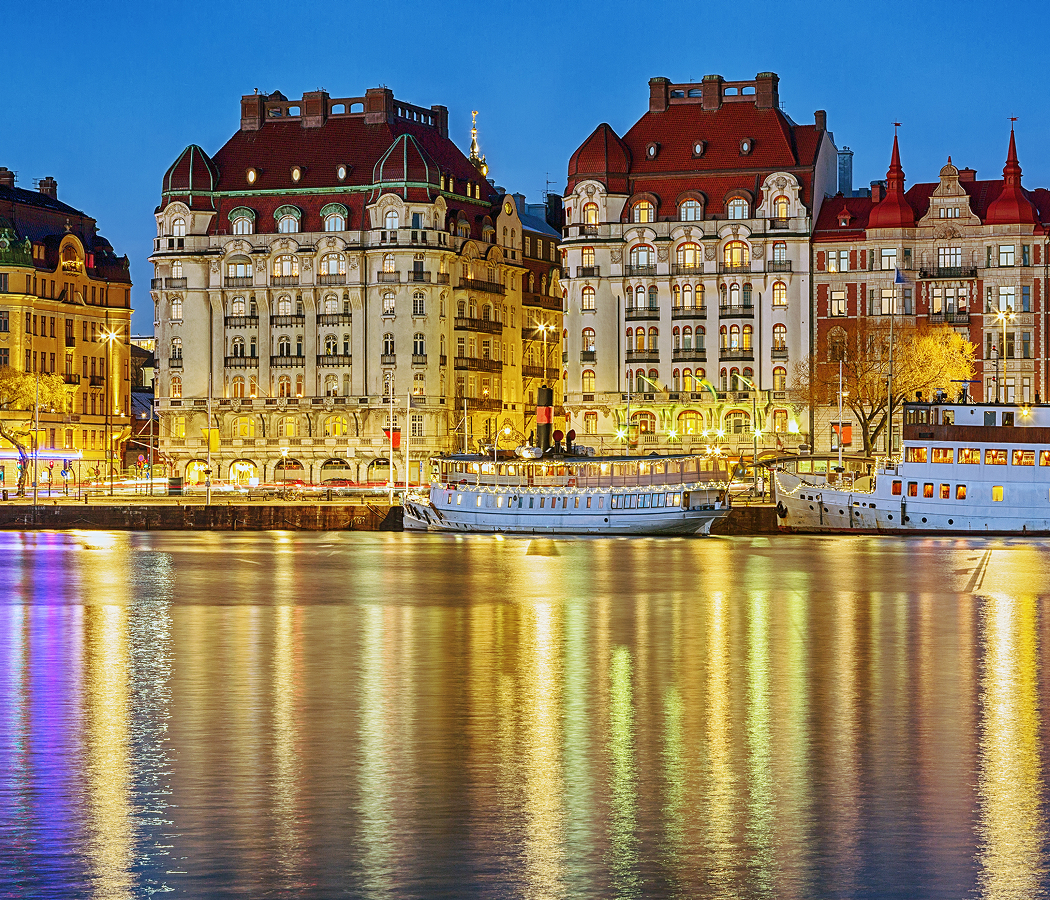
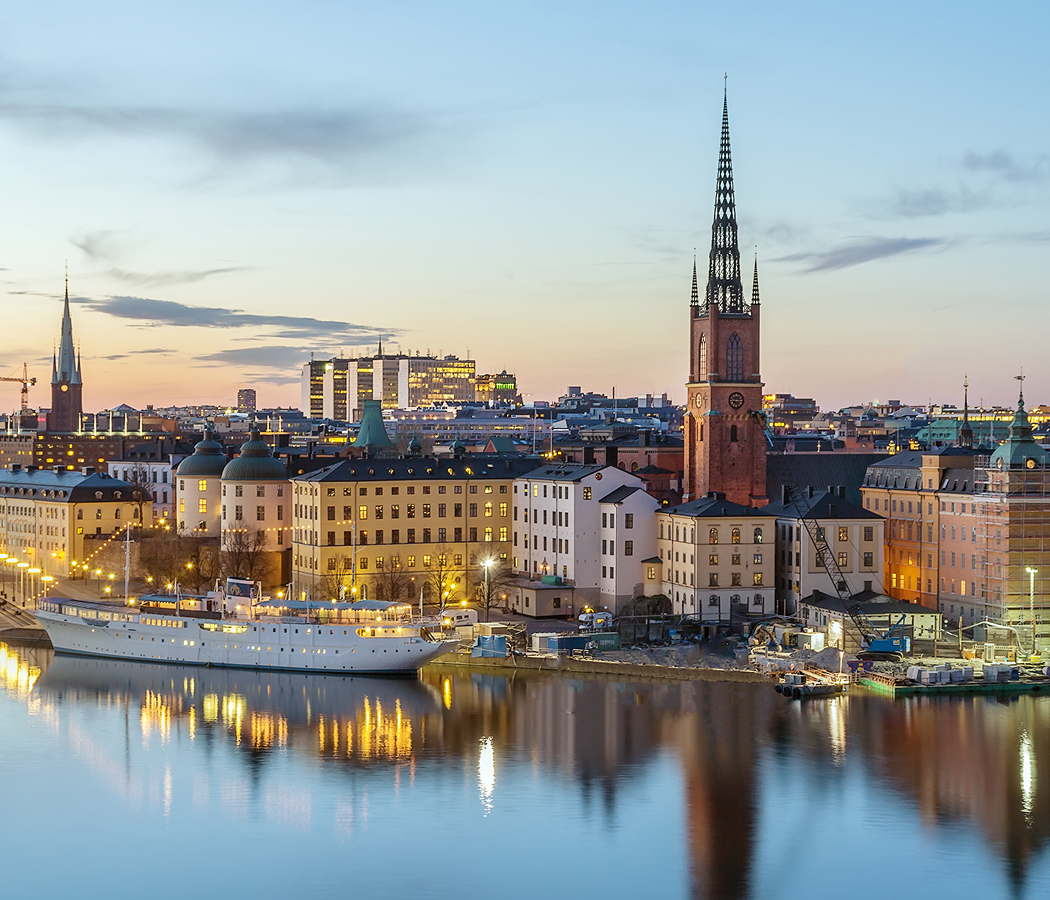
Along the cobblestoned veins of Gamla Stan, The Merchant Houses of Stockholm rise like painted relics of ambition and artistry, living testaments to the city's golden age of trade.
Their ochre, terracotta, and crimson façades lean close above the narrow lanes, as if whispering secrets of fortunes won and lost. Each window, cornice, and gable tells a story: German merchants who came seeking iron and copper wealth, Dutch traders who brought glass and textiles, Swedes who built their homes into emblems of pride and prosperity. These weren't just houses; they were declarations, of status, of craftsmanship, of belonging to a world in motion. Walk among them and you'll sense their pulse: shutters creaking with history, lanterns flickering over doorways carved with initials and dates long faded by time. When sunlight hits the plastered walls just right, the colors bloom like frescoes, and for a fleeting moment, the centuries between past and present dissolve completely.
What you should know about The Merchant Houses of Stockholm.
Most of the houses that line Gamla Stan's streets, particularly around Stortorget Square, Köpmangatan, and Västerlånggatan, date back to the 17th and 18th centuries, though their foundations are far older.
In the medieval era, they served dual purposes: workshops on the ground floor and living quarters above, connected by steep staircases and heavy timber beams. The merchants who inhabited them were members of the Hanseatic League, a network of trading cities that stretched from the Baltic to the North Sea, and their wealth shaped Stockholm's rise as a maritime power. Look closely, and you'll see traces of that heritage in the architecture: stepped gables from the Low Countries, window shutters reminiscent of Lübeck or Hamburg, and façades plastered over rough-hewn stone to withstand the Nordic weather. Many houses were built with hidden cellars for storing wine, spices, and salt, commodities so valuable they were once locked behind iron doors. Even their colors carried meaning: ochre signified stability, red denoted success, and green was reserved for those who had achieved lasting prominence. Inside, the interiors were as ornate as the façades, painted ceilings, tiled stoves, and hand-carved banisters, many of which survive to this day. Though the merchants are long gone, their homes endure as one of the city's great architectural layerings, tangible proof that prosperity and poetry can share the same walls.
How to fold The Merchant Houses of Stockholm into your trip.
The best way to experience them is not to rush, but to wander, to listen.
Start at Stortorget Square, where the red and mustard-yellow façades form the most photographed skyline in Stockholm. Notice the narrowness of the buildings, many are no more than five meters wide, constrained by the medieval property lines that shaped the city's map. Follow Köpmangatan (“Merchant Street”), the oldest street in Stockholm, where shop signs hang from wrought-iron brackets and arched doorways reveal boutiques inside centuries-old vaults. Pause to peer through a window or two; you may catch a glimpse of an original beam or tiled floor that has survived since the 1600s. Turn onto Västerlånggatan, once the thriving artery of trade, now filled with cafés and craft stores. Here, amid the souvenirs and chatter, you can still sense the hum of commerce, the same rhythm that once defined the entire city. For a quieter moment, detour down Kindstugatan or Prästgatan, where time seems to slow, and the light between the façades turns golden. At sunset, when the shadows lengthen and the colors of the merchant houses deepen, Gamla Stan feels less like a district and more like a memory brought to life. The Merchant Houses of Stockholm are more than architecture, they're living chapters of a city that learned to turn trade into art, and art into immortality.
Where your story begins.
Foresyte Travel reveals places that feel extraordinary long before you arrive.
Experience premium editorial crafted for luxury travelers.