Why Taj Mahal Tower matters.
Taj Mahal Tower is where contemporary comfort and historic gravitas coexist in quiet equilibrium, modern, confident, and permanently anchored to one of the most emotionally charged addresses in the world.
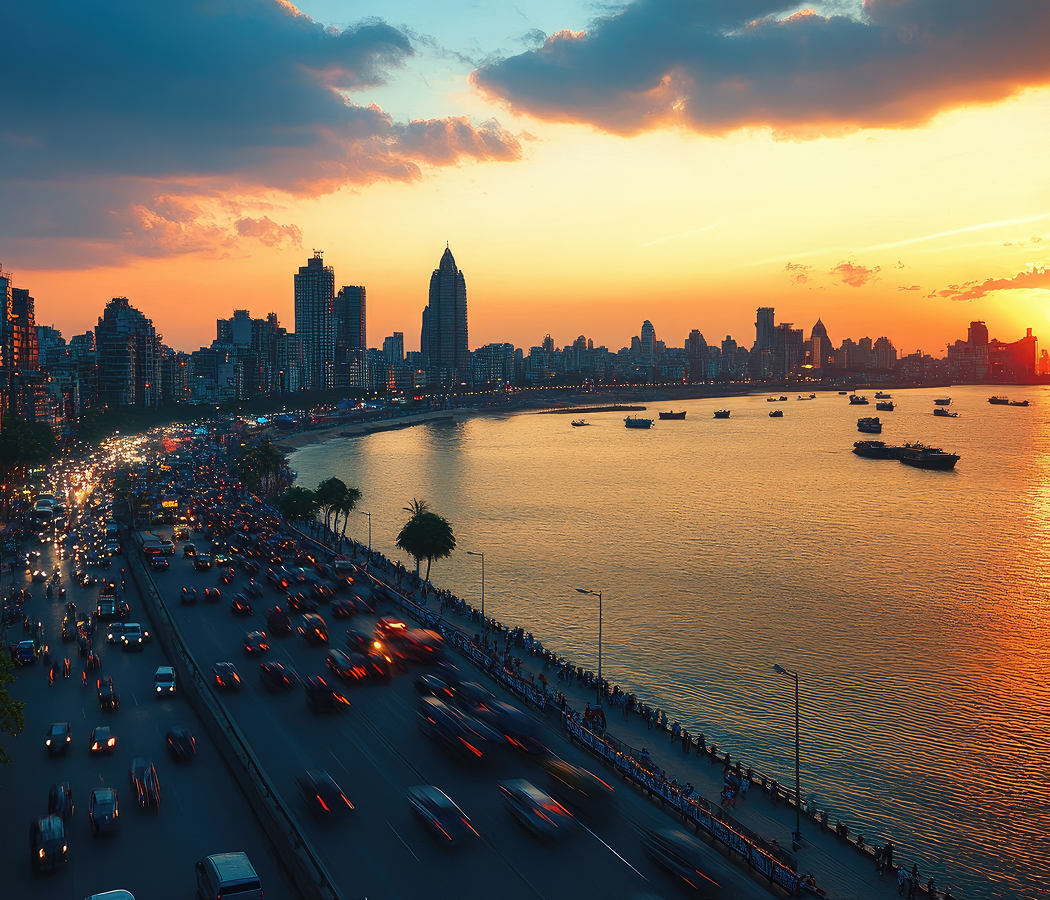
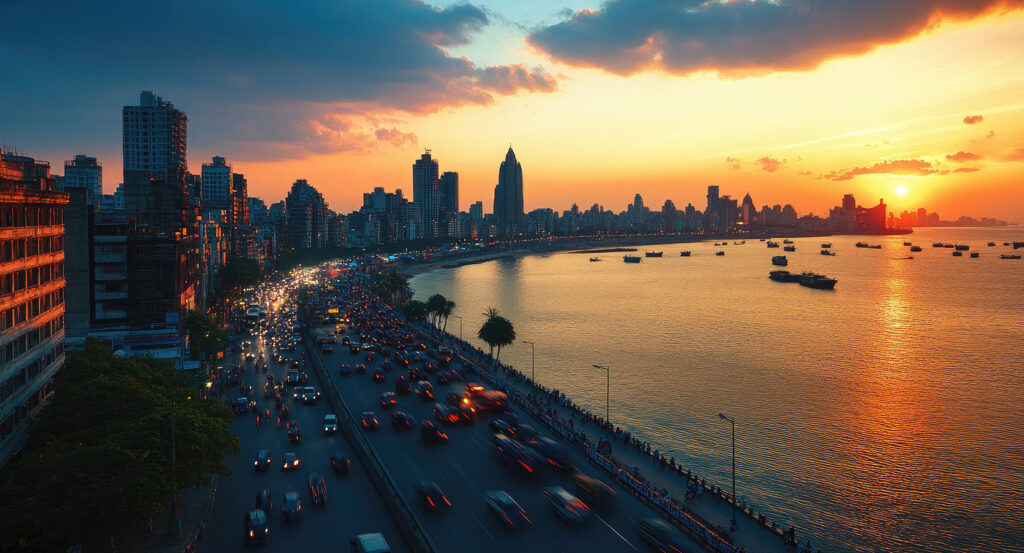
This is not Mumbai filtered through nostalgia alone, nor is it Mumbai racing toward reinvention; this is Mumbai standing firmly in the present while fully aware of its past. Rising beside the renowned Taj Mahal Palace and facing the Arabian Sea, Taj Mahal Tower offers a distinct perspective on the city, one that privileges clarity, space, and modern ease without severing the connection to history unfolding just beyond its doors. Arrival feels composed. You are immediately aware of proximity, the Gateway of India, the harbor, the movement of people and boats, but the Tower absorbs this intensity with discipline. Inside, the atmosphere shifts toward contemporary calm. Clean lines, polished surfaces, generous proportions, and restrained elegance define public spaces that feel purposeful. This is a hotel for travelers who want to inhabit Mumbai's most iconic location. Rooms in the Tower are expansive and light-filled, offering some of the most commanding views in the city. Floor-to-ceiling windows frame the Arabian Sea, the Gateway, and the slow choreography of the harbor, turning one of the world's most photographed scenes into a lived-in daily companion. Interiors lean modern and refined, plush beds designed for deep rest, thoughtful lighting that adapts from day to night, tailored furnishings, and layouts that prioritize functionality. Bathrooms are indulgent in a contemporary sense, with marble finishes, soaking tubs, walk-in rain showers, and the quiet luxury of space and privacy. Dining and social experiences benefit from the Tower's dual identity. You have access to the Palace's historic restaurants and lounges, while returning to a space that feels calmer and more insulated afterward. Service throughout Taj Mahal Tower reflects Taj's highest standards, convivial, intuitive, and deeply personal, delivered with an understanding that guests here value both resonant resonance and operational ease. Taj Mahal Tower does not compete with the Palace for attention. It complements it, offering a version of the Taj experience that feels modern, grounded, and eminently livable.
What defines Taj Mahal Tower.
Taj Mahal Tower was conceived as a deliberate evolution of the Taj legacy, a way to preserve history.
As the Taj Mahal Palace grew into a global symbol of Indian hospitality, it became clear that not every traveler wanted to live entirely within heritage. Taj Mahal Tower was designed to offer an alternative: contemporary luxury that still granted full access to one of the most storied hotels in the world. What many guests don't realize is how intentional this balance is. The Tower allows the Palace to remain ceremonial, resonant, and historic, while providing a space that prioritizes modern comfort, privacy, and predictability. Architecturally, the Tower's clean lines and verticality contrast with the Palace's ornate Indo-Saracenic design, creating a dialogue. This duality mirrors Mumbai itself, a city negotiating between legacy and momentum. Culturally, the Tower attracts a distinct guest profile: global executives, diplomats, long-stay visitors, and repeat Mumbai travelers who want proximity to the city's symbolic heart without the physical density of full heritage immersion. The service culture reflects this distinction, emphasizing discretion, consistency, and anticipatory care. Following the events of 2008, the Tower, like the Palace, became part of a broader narrative of resilience and renewal. Today, that history is carried with dignity rather than weight, visible in security, training, and operations that prioritize safety without intruding on experience. The Tower's vantage point also reshapes perception. Watching the Gateway and harbor from above introduces a sense of distance and perspective that subtly alters how Mumbai registers, less overwhelming, more legible, and deeply human. Taj Mahal Tower represents an Indian luxury philosophy that understands evolution not as erasure, but as expansion.
How Taj Mahal Tower fits.
Taj Mahal Tower works best when you let it anchor you at the city's symbolic center while giving you space to breathe within it.
Begin your mornings with the harbor. Wake early and let light move across the water as boats assemble and the Gateway emerges from quiet into ceremony. Breakfast should be unhurried, either in the Tower or within the Palace, allowing the day to arrive gradually. Late morning is ideal for exploration, walks along Colaba, galleries, markets, and historic streets, knowing you can return to altitude and calm when needed. Midday pauses are essential here. A long bath, a quiet hour by the window, or simply watching the sea allows the intensity of the surroundings to soften before it accumulates. In the afternoon, venture outward with intention. Choose fewer experiences, but engage them fully. As evening approaches, return “home.” Change clothes slowly. Let the light shift from gold to indigo across the harbor. Dinner can unfold within the Palace's storied dining rooms or elsewhere in the city, but returning to the Tower afterward restores balance. Nights here feel composed rather than restless, even as the city continues moving below. On your final morning, resist the instinct to rush. One last look at the Gateway, one last moment of perspective before departure. Taj Mahal Tower does not remain in memory as performance. It stays with you as a feeling, equilibrium, confidence, and the rare privilege of standing at the heart of Mumbai.
Where your story begins.
Foresyte Travel reveals places that feel extraordinary long before you arrive.
Experience premium editorial crafted for luxury travelers.