Why you should experience The Dylan in Amsterdam, Netherlands.
The Dylan is where poetic Dutch elegance meets contemporary understated luxury, where the canalside calm of Keizersgracht wraps you in old-world beauty, and where stepping inside feels like entering a refined, deeply personal sanctuary crafted for travelers who want intimacy, artistry, warmth, and the quiet glamour of one of Amsterdam's most exquisite boutique hotels.
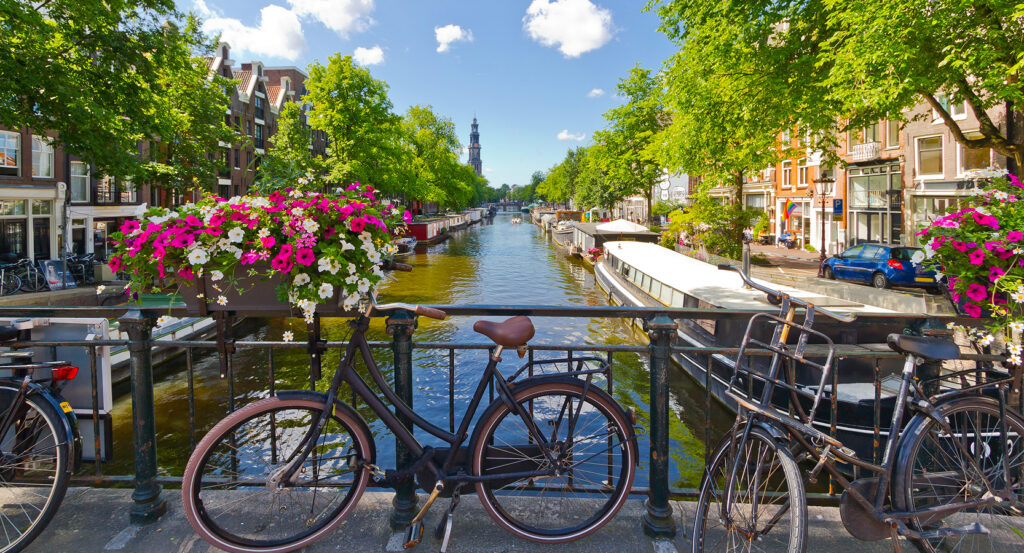
Set along the historic Keizersgracht, The Dylan occupies a 17th-century landmark building originally constructed as a theater, an address woven into the cultural and architectural story of Amsterdam's Golden Age. From the outside, the hotel maintains a timeless façade of gabled stone, arched windows, and canal-front classicism that signals heritage with grace. Step through the courtyard, an enchanting, ivy-framed oasis of cobblestone, greenery, soft lighting, and sculptural simplicity, and the experience shifts immediately into luxury that feels both modern and deeply rooted in history. The lobby welcomes you with a warm, quiet confidence: dark woods, plush textures, curated art, soft neutral palettes, polished stone, flickering candles, and that unmistakable Dylan scent that blends sophistication and calm. It's serene, atmospheric, and im inviting. Rooms and suites elevate this character with a design language that leans into quiet luxury. Expect plush bedding wrapped in crisp linens, tactile fabrics, bespoke furniture, soft ambient lighting, subtly layered textures, exposed wooden beams in some categories, canal or courtyard views, and a level of detail that feels curated. Each room is unique, some minimalist and airy, others moody and cocoon-like, all delivered with meticulous craftsmanship and aesthetic clarity. Bathrooms match that elegance with stone surfaces, deep tubs or walk-in rain showers, heated flooring, premium Dutch amenities, oversized mirrors, and refined fixtures that reflect the hotel's devotion to understated indulgence. Suites bring a heightened sense of residential luxury: expansive layouts, curated artwork, refined living areas, statement lighting, high wooden ceilings or historical architectural features, and an ambience that feels more like a private European residence than a hotel room. Dining is a defining pillar of The Dylan, anchored by Restaurant Vinkeles, the hotel's MICHELIN-starred culinary jewel. Set in a former 18th-century bakery, Vinkeles offers a hyper-refined, intimate dining experience built on French technique and seasonal creativity. Candlelight illuminates brick ovens, restored heritage details, and white-linen tables, creating a dining room that feels theatrical, historic, and deeply intimate. The food is spectacular, precision-driven, soulful, elegantly plated, and rooted in the philosophy of culinary artistry. The hotel's brasserie concept and bar extend that experience with relaxed sophistication, offering cocktails, wine, refined bites, and a chic-but-cozy environment for slow afternoons or late-night conversations. The courtyard terrace is one of Amsterdam's local favorites: peaceful, leafy, and ideal for breakfast, coffee, or evening drinks when the city glows softly around you. Service at The Dylan is warm, graceful, intuitive, and deeply personal. Staff members remember preferences, anticipate needs, and move with a quiet professionalism that reflects true boutique luxury, never intrusive, always attentive. The location is perfect. Set on the Keizersgracht, you're within steps of the Nine Streets (De 9 Straatjes), boutique shops, cafés, galleries, antiques, the Jordaan, the Anne Frank House, the flower market, and a constellation of cultural and culinary highlights.
What you should know about The Dylan.
The Dylan stands on land that holds centuries of cultural significance, land that has hosted artists, intellectuals, aristocrats, and performers; survived war, reform, and rebirth; and played a surprisingly central role in Amsterdam's Golden Age artistic identity.
In the early 17th century, the site was home to the Duytsche Academie, a pioneering institution founded by Dr. Samuel Coster to bring theater and intellectual discussion to Amsterdam's rising merchant class. This academy became a cultural magnet, hosting performances, poetry readings, lectures, and gatherings that shaped Amsterdam's artistic and philosophical development. In 1632, the building served as the venue for the inauguration of the University of Amsterdam, marking the site as an academic milestone in Dutch history. The theater that once occupied the plot evolved into one of Europe's earliest and most influential public playhouses. Renowned playwrights, poets, philosophers, and social commentators walked its halls. The structure was rebuilt multiple times after fires and structural challenges, including a devastating blaze in 1772 that destroyed the original theater. The site's cultural significance only deepened over the centuries. In the 18th and 19th centuries, the building hosted aristocratic gatherings, elite salons, and social events tied to Amsterdam's rising bourgeois society. The hotel's historic bakery building, now home to Restaurant Vinkeles, dates from this era and still retains structural elements, ovens, and architectural details from its original function. During periods of war and political unrest, the property shifted roles, serving administrative and civic functions reflecting Amsterdam's resilience and adaptability. In the 20th century prior to the transformation into The Dylan, the site served multiple institutional roles, gradually falling into disuse as Amsterdam modernized around it. The reinvention of the property into a boutique hotel was handled with extreme historical sensitivity. Archaeological investigations during renovation uncovered remnants of early masonry, foundation stones from the theater era, fragments of 17th-century plaster, wooden beams with tool marks dating to the Golden Age, and archival documents referencing performances and cultural events held on the site. A lesser-known detail: the hotel's iconic inner courtyard follows the exact footprint of the original theater's entrance and forecourt, a quiet architectural tribute hiding in plain sight. Today, The Dylan stands as a living continuation of the site's cultural legacy, preserving its artistic soul while transforming it into a timeless sanctuary of boutique luxury.
How to fold The Dylan into your trip.
The Dylan becomes your elegant, serene, and beautifully intimate Amsterdam home, where mornings begin with soft canal light filtering across Keizersgracht, afternoons unfold into charming exploration, and evenings settle into MICHELIN-starred artistry and quiet, candlelit sophistication.
Start the morning with breakfast in the courtyard or brasserie before stepping into the Nine Streets for boutique browsing, specialty coffee, and picture-perfect canal strolls. Wander into Jordaan's quiet lanes, visit the Anne Frank House, or explore the antique shops tucked along the waterways. Midday, return to the hotel for a pause, read in the courtyard, sip something warm in the bar, or retreat to your beautifully designed room before continuing your day. In the afternoon, visit the nearby museums, Rijksmuseum, Van Gogh Museum, Rembrandt House, or take a canal cruise departing just minutes away to experience the Golden Age architecture from the water. As evening approaches, prepare for a memorable dinner at Vinkeles, with its candlelit atmosphere and extraordinary culinary craft. Afterward, stroll the quiet canals under soft lantern light, or return to the bar for a nightcap in a warm, intimate setting.
Where your story begins.
Foresyte Travel reveals places that feel extraordinary long before you arrive.
Experience premium editorial crafted for luxury travelers.