Why you should experience Susannah Place in Sydney, Australia.
The Susannah Place is one of Sydney's most intimate time capsules, a perfectly preserved fragment of working-class life that lets you walk, quite literally, through the heartbeat of the 19th century.
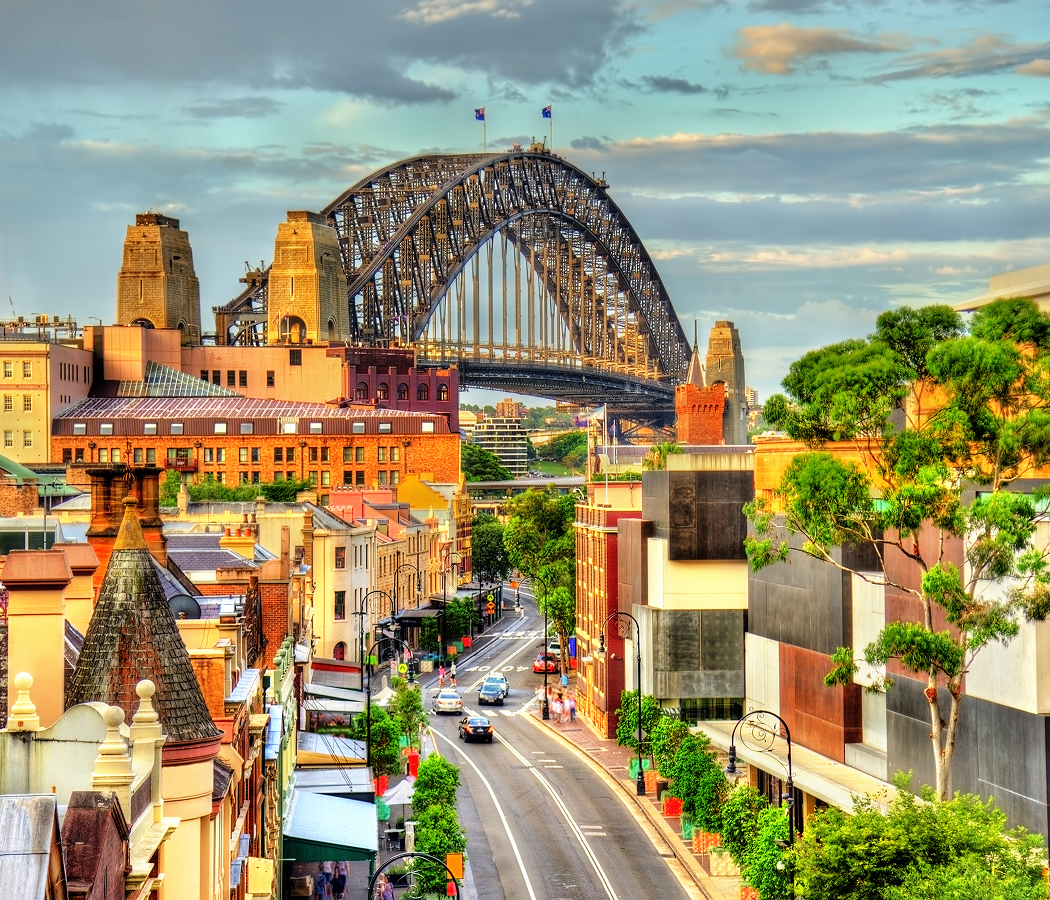
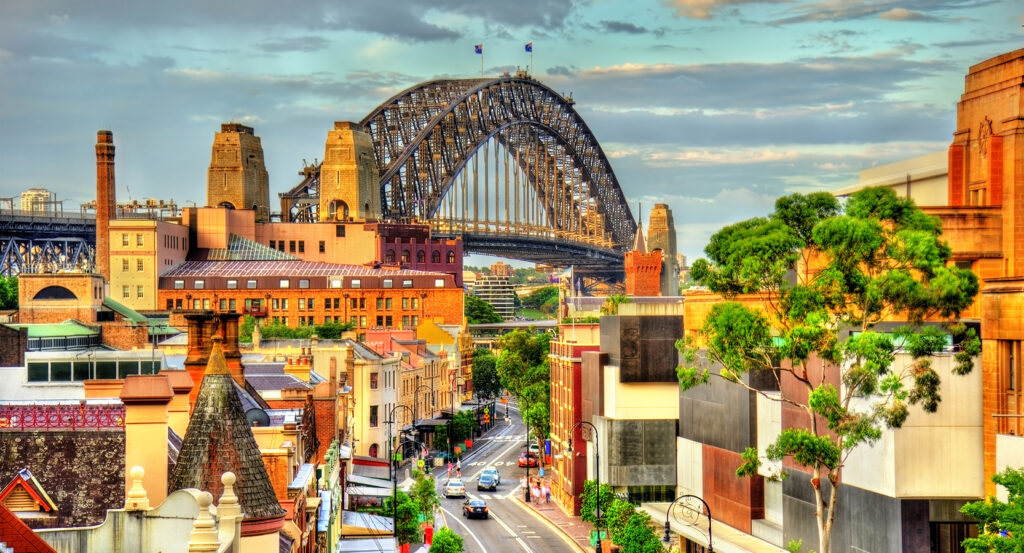
Tucked quietly along Gloucester Street in The Rocks, these four humble terrace houses stand in poetic contrast to the skyscrapers that now rise behind them. Their sandstone walls, weathered staircases, and narrow hallways whisper stories of families who once lived, loved, and struggled here, laundresses, dockworkers, bakers, and children whose laughter once spilled into the laneway below. Step through the doorway, and the museum immediately shifts your sense of time: sunlight filters through lace curtains onto peeling wallpaper, the scent of wood polish and iron lingers in the air, and the sound of floorboards creaking beneath your feet feels like an echo of those who came before. Unlike grand heritage buildings that showcase the lives of the privileged, Susannah Place celebrates the ordinary, and in doing so, reveals the extraordinary endurance of Sydney's earliest residents.
What you should know about Susannah Place.
Susannah Place isn't just a museum, it's a survivor.
Built in 1844 by Irish immigrants Edward and Mary Riley, the row of four terrace houses was constructed from locally quarried sandstone and handmade bricks, standing as some of the oldest intact working-class dwellings in Sydney. For more than 150 years, these small homes were continuously inhabited by over 100 families, each leaving behind layers of history that remain visible today, from wallpaper patterns overlapping across decades to scuffed paint revealing the hues of different eras. The houses narrowly escaped demolition during the early 20th century, when The Rocks was ravaged by urban renewal and plague control measures. Later, in the 1970s, when plans for massive redevelopment threatened the entire precinct, community protests and heritage activists intervened once again, ensuring that Susannah Place was preserved as a living record of ordinary lives. The museum officially opened in 1993 under the care of Sydney Living Museums, following meticulous conservation that deliberately avoided over-restoration. Each room has been left intentionally imperfect, evidence of wear, watermarks, and repairs tell their own story, making the space feel profoundly human. Inside, you'll find authentic furnishings sourced from the late Victorian and Federation periods, as well as recreated domestic details such as gaslight fittings, chamber pots, and hand-washed linens. The tiny corner shop at the end of the terrace, which operated until 1990, still displays shelves lined with vintage tins and handwritten ledgers, a poignant reminder of how self-contained life once was in The Rocks. Oral histories from former residents, recorded and archived within the museum, give voice to those who called this place home. One can almost hear the cadence of their days, the washing flapping in the wind, the ferry horns echoing through the streets, and the scrape of boots returning from the docks.
How to fold Susannah Place into your trip.
A visit to the Susannah Place Museum is like stepping through a side door into Sydney's soul, unpolished, honest, and hauntingly familiar.
You'll find it at 58-64 Gloucester Street, a short walk from Circular Quay or the George Street Heritage Precinct. Entry is by guided tour only, and this intimacy is its greatest gift, tours are small, often led by historians who speak about the residents not as characters from the past, but as neighbors who lived just yesterday. Book in advance, as space fills quickly. Begin your visit in the museum's courtyard, where the contrast between the modest terraces and the skyline beyond is most striking, it's as though history and modernity are shaking hands. Inside, you'll move from house to house, each one frozen in a different era: from gaslit Victorian parlors to mid-century kitchens with enamel stoves and lino floors. The guides often pause to point out details you might otherwise miss, the coal chute, the worn stair treads, or the faint smell of soap still lingering in the scullery. Afterward, step into the corner shop and browse its shelves like a local from another century. Allocate 45-60 minutes for the full experience, and take a slow walk afterward through the surrounding laneways, especially Cumberland and Harrington Streets, where similar terraces once stood shoulder to shoulder. If you visit near sunset, watch how the light touches the sandstone, it turns the terraces gold, as if the past itself were momentarily illuminated. The Susannah Place Museum isn't about nostalgia; it's about continuity, a reminder that behind every polished skyline, there were once ordinary people whose lives built the foundations of everything we now call Sydney.
Where your story begins.
Foresyte Travel reveals places that feel extraordinary long before you arrive.
Experience premium editorial crafted for luxury travelers.