Why George Street matters.
George Street is the spine of The Rocks, the heartbeat of Sydney's oldest neighborhood, where every façade, cobblestone, and lamppost hums with the city's original rhythm.
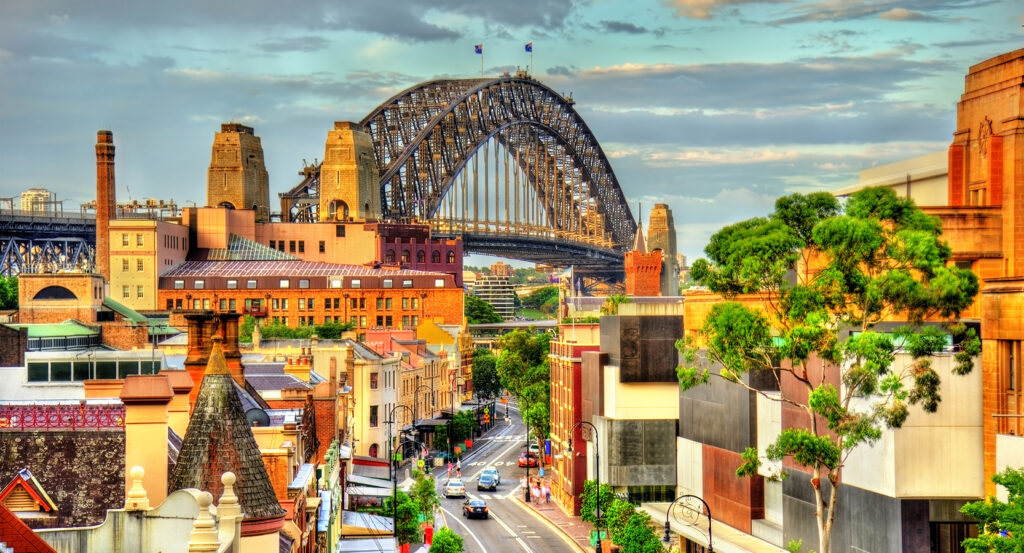
Stretching from the bustle of Circular Quay deep into the sandstone core of The Rocks, George Street feels like stepping through a time portal lined with history's fingerprints. Sandstone terraces, iron-laced balconies, and timber-framed shopfronts create an atmosphere that's part maritime frontier, part urban fairytale. The scent of roasted coffee mingles with salt air, and the sound of footsteps echoes off the stones laid by convicts more than two centuries ago. This is where Sydney began, where the colony's merchants, craftsmen, and sailors forged a community from hardship and hope. Today, the street is alive again with galleries, cafés, boutique hotels, and pubs that honor their past lives as warehouses, stables, and boarding houses. The George Street Heritage Precinct isn't just preserved, it's lived in, breathed in, and endlessly rediscovered.
What defines George Street.
George Street is the oldest street in Australia, and its story mirrors the evolution of Sydney itself.
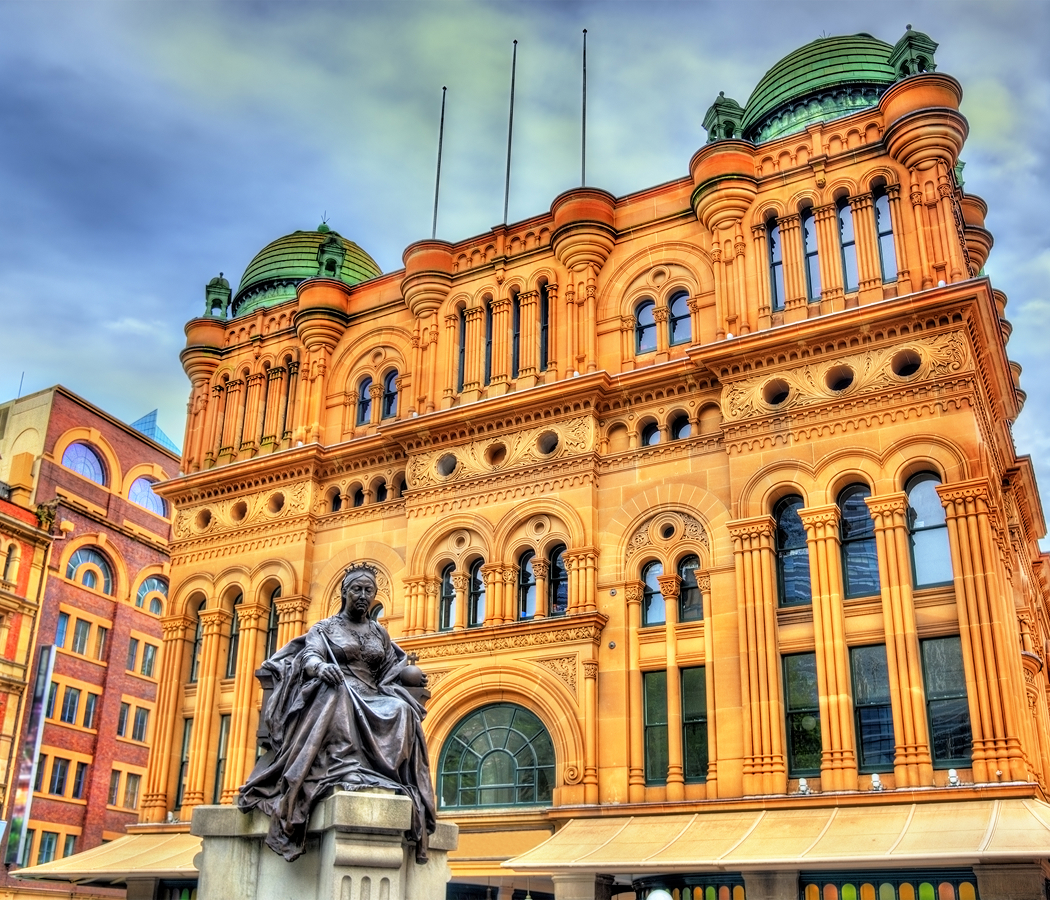
Originally carved from the dirt path that connected the first convict huts of 1788, it became the city's commercial artery by the early 19th century. At The Rocks end, George Street developed as a rough-edged maritime quarter, a working-class enclave where sailors and laborers filled the inns, and merchants loaded goods bound for every corner of the empire. Many of the buildings that stand today were erected in the mid-to-late 1800s, constructed from golden sandstone quarried just meters away. Look closely, and you'll see the marks of that craftsmanship, tool grooves still visible, initials carved discreetly into lintels, bricks of varying hue that record the city's early improvisations. The precinct narrowly escaped demolition multiple times, first during the bubonic plague clearances of 1900, then again during mid-century urban “renewal” schemes. It was saved, ultimately, by a union of preservationists and working-class residents who refused to let The Rocks vanish beneath glass towers. Their victory led to one of the most ambitious restoration efforts in Australia's history, beginning in the 1970s. Today, heritage overlays protect each façade, ensuring that original details, window arches, cornices, cast-iron columns, remain intact. Beneath the pavement, archaeological layers still hold artifacts of colonial life: fragments of pottery, tools, and personal items discovered during excavations that reshaped our understanding of early Sydney. Even the gas lamps that line parts of the street are functional replicas, installed to preserve the golden glow that once illuminated dockworkers and night traders. This stretch of George Street now stands as one of the most complete surviving examples of a 19th-century urban landscape in the Southern Hemisphere, a place where heritage and modernity meet in delicate balance.
How George Street fits.
Exploring the George Street is less a visit and more a walking meditation through the origins of Sydney.
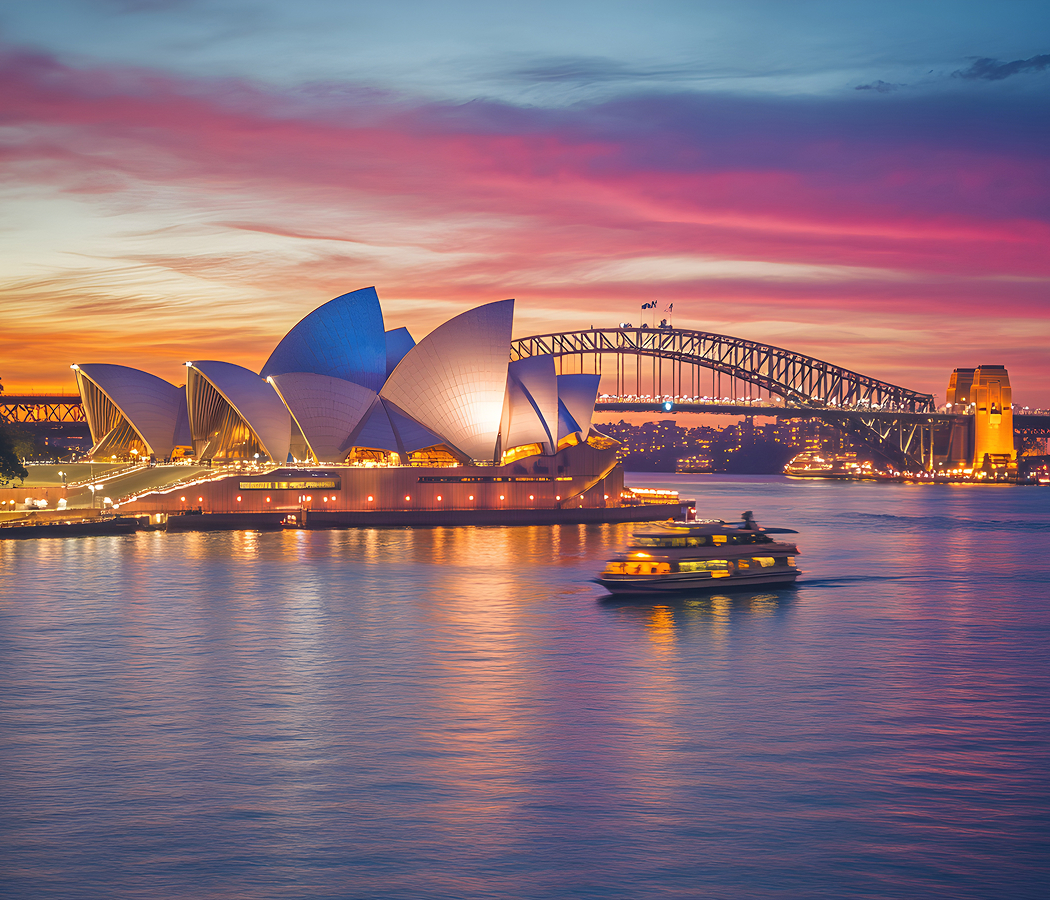
Begin at the southern edge near the Museum of Contemporary Art, where the street first opens into The Rocks' historic grid, and slowly make your way north toward Argyle Street. Move at half your usual pace, the details here reward patience. Stop by the Fortune of War Hotel, Sydney's oldest continuously licensed pub, for a drink beneath century-old timber beams. Step into the Argyle Stores, now home to boutiques and art spaces, and admire the vaulted brick ceilings that once stored colonial cargo. On weekends, the Rocks Markets spill into the precinct, filling the air with live music, street food, and conversation, a modern echo of the trading energy that has always defined this place. Allocate two hours for a full exploration, especially if you linger in the laneways like Kendall Lane or Playfair Street, where hidden courtyards reveal layers of restored architecture. Visit in the late afternoon, when sunlight sets the sandstone ablaze and the shadows deepen between the facades, the street seems to glow from within. As night falls, gaslights and warm window glows transform the precinct into something cinematic, almost dreamlike. End your walk near the Harbour Bridge approach, looking back down George Street, the towers of modern Sydney rising beyond the old warehouses, the harbour gleaming at your side. In that view, you'll see the full arc of the city's story: from penal outpost to global port, all told through a single street that never stopped evolving.
Where your story begins.
Foresyte Travel reveals places that feel extraordinary long before you arrive.
Enjoy editorial crafted for luxury travelers.
Foresyte may earn a commission when you book.