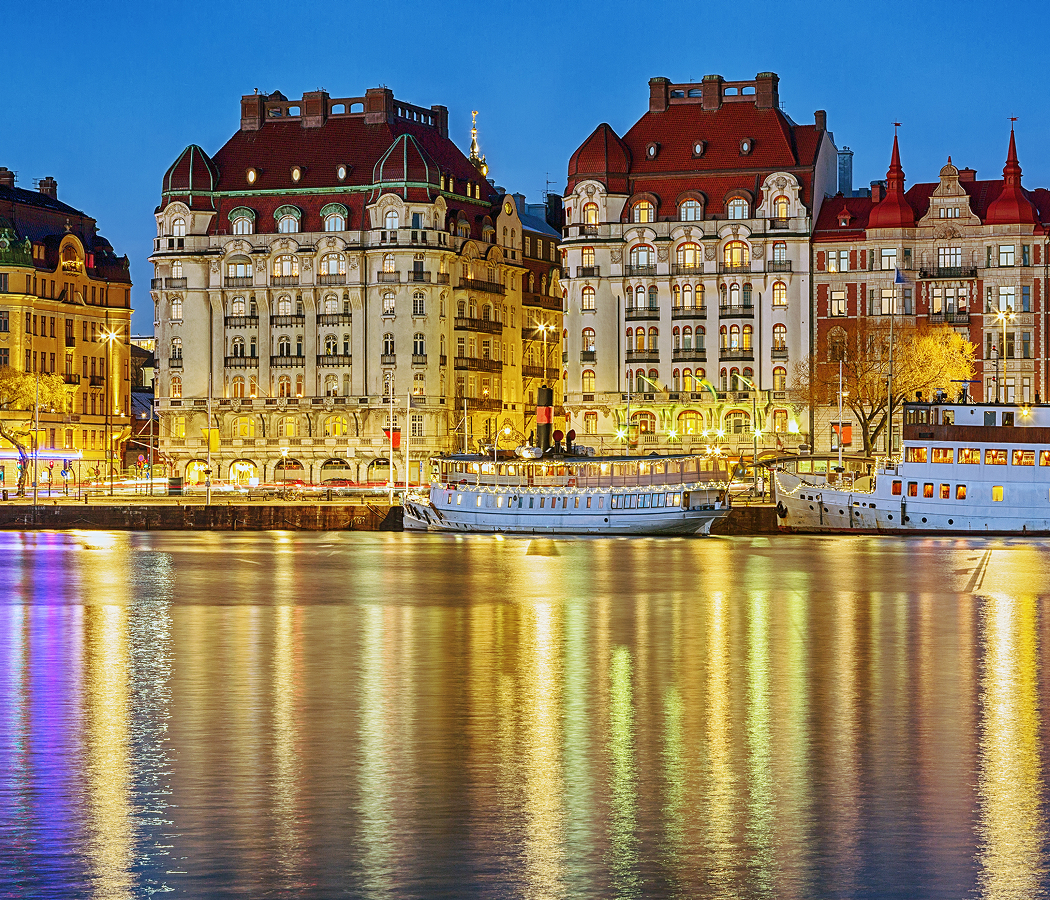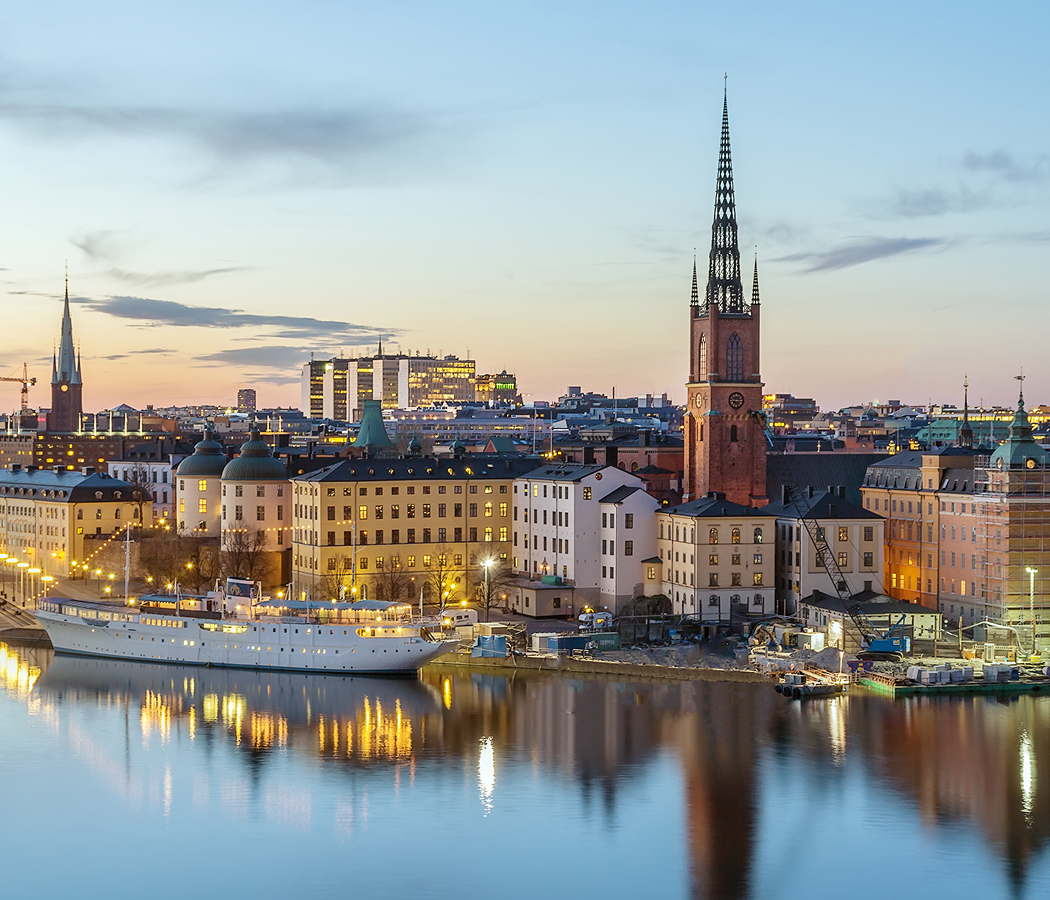
Why you should experience The Sparrow Hotel in Stockholm, Sweden.
The Sparrow Hotel is where old-world charm and deliberate design intersect, creating a stay that feels intimate, expressive, and utterly distinctive, a place that welcomes you into Stockholm with personality.
Tucked into a historic street near Norrmalm's cultural heart, this hotel feels more like a thoughtfully appointed residence than a standardized hospitality space. Arrival here is personal rather than formal, the façade suggests warmth and quiet curiosity rather than architectural display, and the moment you step inside, the mood feels intentionally different from Stockholm's polished luxury hotels or austere business properties. Interiors unfold with layered detail and comfort. Public spaces feel like rooms in an elegant, slightly rebellious house: fireplaces, deep colors, richly textured fabrics, and design choices that feel curated. Light plays softly across surfaces, creating an atmosphere that is at once cozy, studied, and quietly alive. You feel invited to stay a while, not just check in and check out. Guest rooms continue this narrative of thoughtful presence. Expect beds dressed in crisp linens that emphasize restorative sleep, furnishings that feel purposeful yet expressive, and layouts that balance intimacy and ease. Rooms are composed so that each moment, waking up, reading by the window, or prepping for the day, feels intentional and calm. The Sparrow uses color and material with confidence: deep tones layered with warm neutrals, tactile textiles alongside smooth woods, and lighting designed to flatter both early mornings and late nights. Windows frame city views that range from quiet street corners to glimpses of the city's rooftops, reinforcing the sense that you're living in Stockholm. Bathrooms are refined and generously sized, featuring quality fixtures, walk-in showers or soaking tubs, and lighting that feels considered. What defines The Sparrow Hotel is its atmospheric personality. Public spaces, lounges, reading nooks, bar, and dining, feel inhabited and alive. They are places where conversation, stillness, or creative impulse feels natural. The hotel's restaurant and bar draw a mix of guests and locals who appreciate atmosphere shaped by intention: dishes that honor Nordic sensibilities with seasonal clarity, drinks that reflect craft rather than trend, and spaces where sound and light are composed rather than accidental. Service at The Sparrow is attentive. Staff members engage with warmth, local insight, and a sense of genuine stewardship. Their recommendations feel lived-in, cafés with character, galleries off the usual radar, walks where architecture tells a story rather than stampedes you through a checklist. Step outside and the city unfolds. Stockholm's cultural landmarks, refined shopping streets, design districts, and waterfront promenades are all within easy walking distance or a short transit ride. Yet returning to The Sparrow always feels like stepping into a place with its own rhythm, one shaped by atmosphere, nuance, and a sense of ease that lingers.
What you should know about The Sparrow Hotel.
The Sparrow Hotel occupies a building and street that are part of Stockholm's historic urban weave, where residential life, small commerce, and cultural presence were layered together long before tourism became a dominant metric.
The district around the hotel grew not as ceremonial boulevards or dense tourism corridors but as lived city fabric: narrow lanes that connected homes, workshops, theaters, cafés, and everyday spaces for centuries. Unlike districts preserved as museum pieces, this part of Stockholm evolved through use, absorbing layers of architectural history. The building that houses The Sparrow carries this layered character in its proportions, its volume, and its relationship with the street. Rather than demanding focus, it holds place, a quality that informs how interiors were adapted for hospitality. Designers did not erase the building's angles, ceiling heights, and spatial logic; they worked with them. This choice allows rooms and public spaces to feel rooted in history rather than superimposed with a hospitality veneer. A lesser-known facet of the neighborhood is how closely residential and cultural life have always coexisted here. The streets outside have hosted generations of craftspeople, artists, writers, neighbors walking dogs, and patrons lingering over coffee long before guidebooks arrived. This layered activity informed the hotel's identity. Inside, the blend of texture and tone, deep hues, layered lighting, tactile materials, is not just aesthetic. It's a response to context: the city's layered story, the way light moves through old streets, the sense of presence that comes from lived space. The Sparrow Hotel's interiors embrace irregularity and nuance over uniformity. Rooms vary in shape and proportion, not because of lack of planning but because the architecture itself was shaped by historical continuity. Stairways, windows, and volumes respond to the building's lineage, reinforcing a sense that this place has grown into itself rather than been grafted onto something alien. This reflects a broader Scandinavian design temperament that values integrity of place, an approach where buildings are allowed to carry history forward through adaptation.
How to fold The Sparrow Hotel into your trip.
The Sparrow Hotel works best when you let atmosphere, rhythm, and neighborhood texture shape your days.
Begin your mornings with unhurried coffee at a nearby café where locals gather, letting the city's cadence, cobblestone underfoot, voices at ease, daylight shifting, orient your senses. Step outside and wander toward nearby streets that reward attention to detail: a quiet courtyard here, a gallery storefront there, a bakery where regulars exchange greetings. Let your curiosity lead. Late morning is ideal for exploring a design district or museum close by, returning to the hotel for a calm pause before lunch. The Sparrow's lounges and public areas invite presence, reading, conversation, or silent awareness. In the afternoon, walk toward waterfront promenades or return to streets where local life unfolds quietly. Stockholm's rhythm is not a single tempo; it is a sequence of overlapping ones. The Sparrow positions you inside this multiplicity. As evening arrives, let dinner unfold either within the hotel's own restaurant or at a nearby table chosen for character. After dinner, take a slow walk through the neighborhood as lights soften, shadows deepen, and the city's quieter character reveals itself. Returning to the hotel at night feels like returning to a composed interior moment: spaces hold sound, light, and mood with intention. On your final morning, linger with coffee and reflection. One more slow step through a street you passed earlier. One more moment of presence before departure.
Where your story begins.
Foresyte Travel reveals places that feel extraordinary long before you arrive.
Experience premium editorial crafted for luxury travelers.