Why 1st Avenue matters.
1st Avenue is a cultivated corridor where Downtown's commercial origins, waterfront setting, civic institutions, and architectural evolution converge within the historic core of the city.
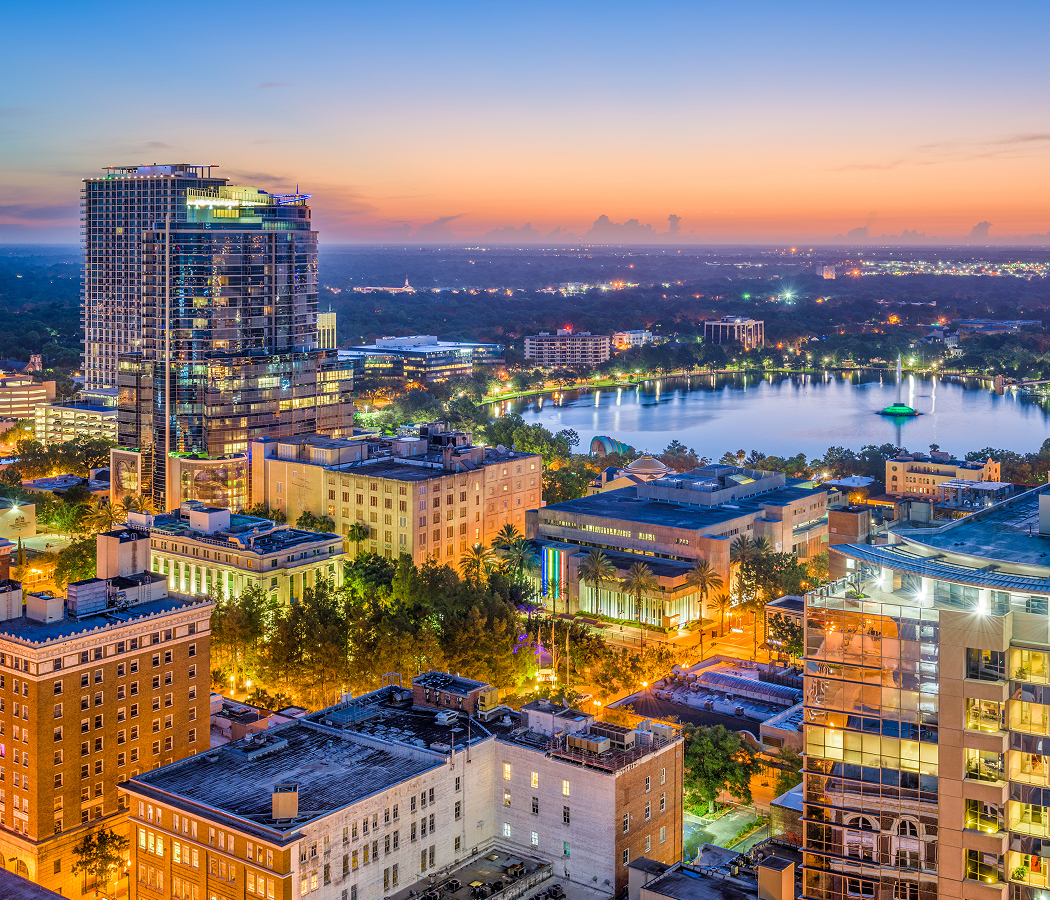
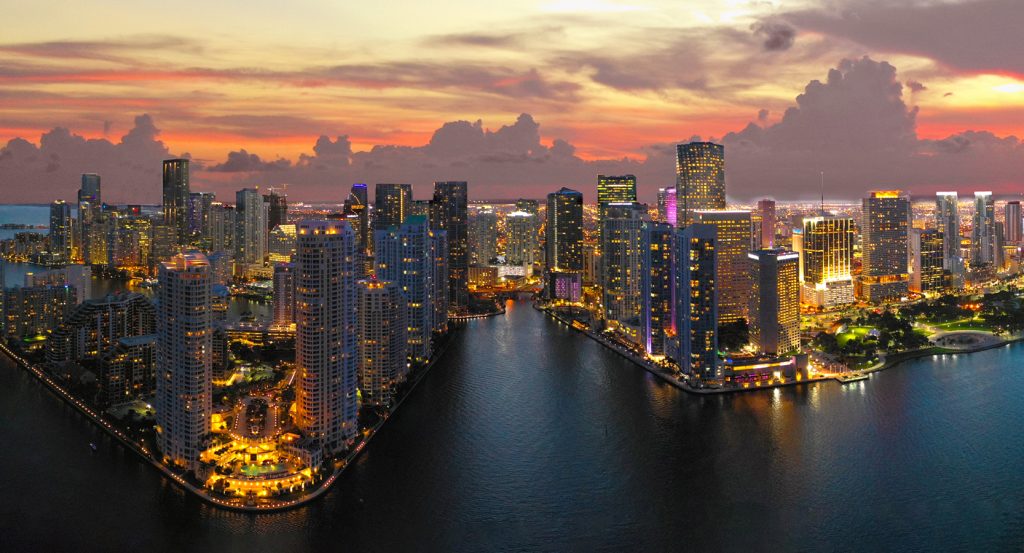
Running through Downtown between Overtown and the Miami River, the corridor links early commercial blocks, government buildings, waterfront public spaces, residential towers, and cultural institutions that collectively reflect more than a century of urban growth along Biscayne Bay. Historic masonry buildings, contemporary high-rises, shaded streetscapes, and landscaped plazas create an environment where Miami's earliest business district continues evolving as the city's financial and civic center. Throughout the corridor, architectural continuity, public investment, and commercial activity reinforce an urban landscape shaped by successive generations of growth. The result is an experience defined by historical depth, waterfront character, and one of Miami's most influential central corridors.
What you should know 1st Avenue.
1st Avenue is best known for traversing Downtown, whose emergence began after Julia Tuttle encouraged Henry Flagler to extend the Florida East Coast Railway to Biscayne Bay, leading to Miami's incorporation in 1896 with just over 300 residents. The corridor developed beside the original commercial district that expanded around the Miami River, while the construction of the Flagler Street business corridor established the city's earliest retail and financial center during the late nineteenth and early twentieth centuries. Nearby, the Alfred I. duPont Building, completed in 1939, became one of Florida's earliest fully air-conditioned office towers, while the Miami-Dade County Courthouse, completed in 1928, rose 28 stories and remained Florida's tallest building for decades after its completion. Downtown also encompasses the Gesu Church, dedicated in 1896 as Miami's oldest Catholic parish, together with surviving Mediterranean Revival, Chicago School, Art Deco, Modernist, and postwar commercial architecture, while royal palms, live oaks, gumbo limbo, white ibis, monk parakeets, and subtropical landscaping continue contributing to the district's urban ecology.
International banking, maritime commerce, law firms, technology companies, engineering consultancies, government agencies, and cultural organizations continue driving Downtown's economy alongside museums, performing arts institutions, and higher education facilities. Residential development during the early twenty-first century introduced thousands of new housing units while reinforcing Downtown's position as one of Florida's principal employment centers. Public investment along Biscayne Bay, expanded transit connections, and continued preservation of significant historic buildings demonstrate how the district balances sustained economic growth with architectural continuity. Together, these institutions, industries, and historic resources demonstrate how 1st Avenue continues expressing Downtown's enduring importance as the city's civic, financial, and historical center.
How 1st Avenue fits.
1st Avenue works as an exploration of Miami's civic history, architectural heritage, and waterfront identity.
Begin at HistoryMiami Museum, where exhibitions spanning Indigenous settlement, early pioneer communities, immigration, transportation, and urban development establish the historical context behind Miami's rapid emergence following its incorporation in 1896. Continue to Freedom Tower, whose 1925 Mediterranean Revival architecture and later role assisting Cuban refugees demonstrate two defining chapters in the city's commercial and humanitarian history. Conclude at Bayfront Park, where Biscayne Bay, public sculpture, historic monuments, and sweeping waterfront vistas provide the historical culmination by reconnecting the city with the shoreline that first inspired Miami's founding. The progression moves naturally from the city's documented origins through a defining chapter of twentieth-century immigration before concluding along the waterfront that continues shaping Downtown's identity.
Where your story begins.
Foresyte Travel reveals places that feel extraordinary long before you arrive.
Enjoy editorial crafted for luxury travelers.
Foresyte may earn a commission when you book.