Why 1st Street matters.
1st Street is a storied corridor where East Little Havana's immigrant heritage, civic history, entrepreneurial tradition, and enduring cultural character converge within one of Miami's oldest urban landscapes.
Running through East Little Havana between Overtown and the Miami River, the corridor links historic commercial blocks, neighborhood institutions, civic buildings, locally owned businesses, and longstanding residential streets that collectively reflect more than a century of immigration, commerce, and urban development. Early twentieth-century masonry buildings, shaded sidewalks, neighborhood storefronts, and civic architecture create a streetscape where successive generations have contributed to one of Miami's most culturally influential communities. Throughout the corridor, local enterprise, historic continuity, and cultural traditions reinforce an environment shaped by resilience and continual renewal. The result is an experience defined by rich cultural character, longstanding community identity, and one of Miami's most historically significant urban corridors.
What you should know 1st Street.
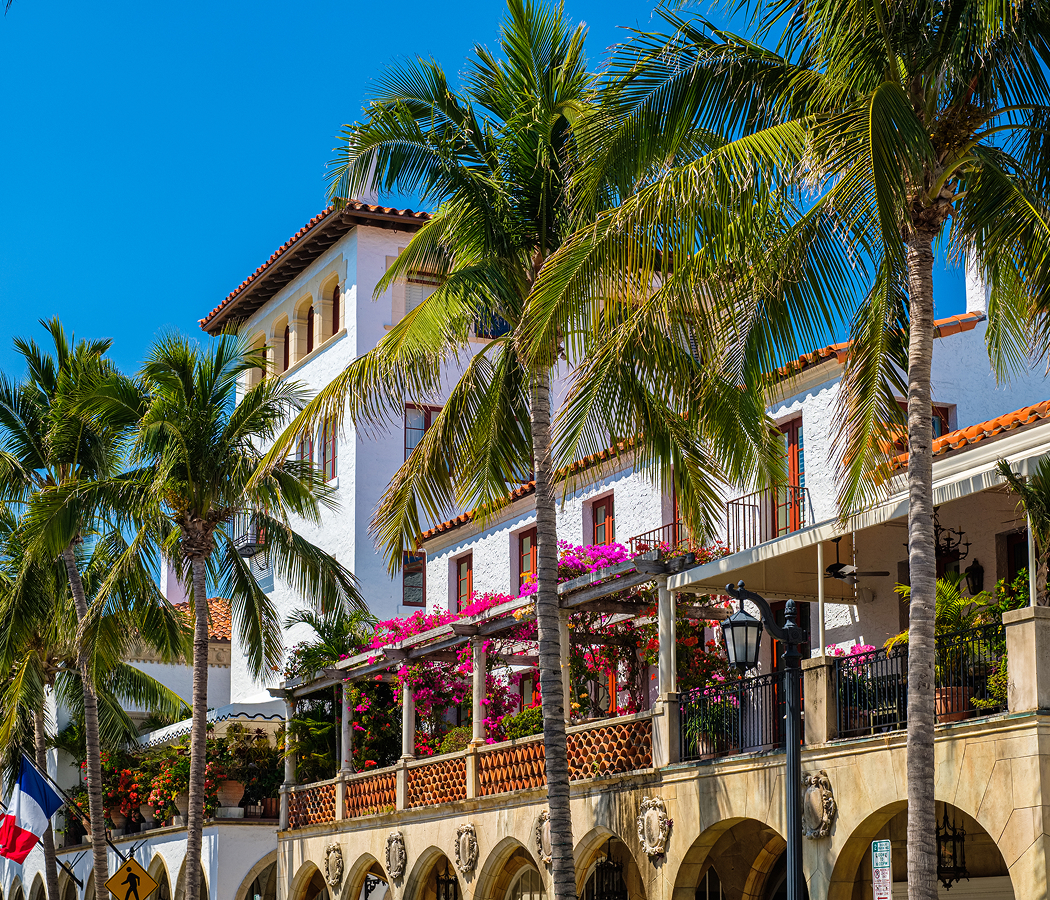
1st Street is best known for crossing East Little Havana, whose development accelerated after Henry Flagler's Florida East Coast Railway reached Miami in 1896, stimulating commercial expansion west of the Miami River and establishing one of the city's earliest residential and business districts. Following the Cuban Revolution of 1959, thousands of Cuban exiles settled throughout the neighborhood, creating a nationally recognized center of Cuban American culture through family-owned businesses, restaurants, bakeries, publishing houses, financial institutions, and social organizations that reshaped Miami's identity. The corridor lies within the broader influence of Calle Ocho, home to the annual Calle Ocho Music Festival, founded in 1978 and now recognized among the world's largest Hispanic cultural festivals, while nearby Domino Park, formally Máximo Gómez Park, opened in 1976 as a gathering place celebrating Cuban traditions. Mediterranean Revival storefronts, early commercial masonry buildings, royal palms, live oaks, white ibis, monk parakeets, and tropical landscaping continue contributing to the corridor's architectural and ecological character while preserving visual connections to one of Miami's oldest immigrant communities.
Independent cigar merchants, coffee roasters, art galleries, cultural organizations, legal offices, financial services, and neighborhood retailers continue sustaining the local economy alongside museums, performance venues, and educational initiatives dedicated to preserving Cuban and Latin American heritage. Murals, public sculpture, literary programs, and community festivals reinforce the neighborhood's artistic character while generations of locally owned businesses continue passing family traditions from one generation to the next. Together, these institutions, professions, and cultural traditions demonstrate how 1st Street continues expressing East Little Havana's enduring importance as one of the principal centers of Hispanic heritage in the United States.
How 1st Street fits.
1st Street works as an exploration of Miami's Cuban heritage, neighborhood traditions, and cultural institutions.
Begin at HistoryMiami Museum, where exhibitions documenting Indigenous cultures, early settlement, immigration, and modern Miami establish the historical context that shaped the communities surrounding 1st Street before venturing farther into Little Havana. Continue to Domino Park, where generations of residents have gathered around domino tables, conversation, and shared traditions that remain deeply connected to Cuban community life. Conclude at Tower Theater, whose 1926 Mediterranean Revival design, pioneering Spanish-language programming, and longstanding role in presenting international cinema provide the historical culmination celebrating the neighborhood's enduring cultural influence. The progression moves naturally from Miami's broader historical foundations through living community traditions before concluding with one of the city's most significant cultural institutions, revealing why 1st Street remains deeply connected to the evolution of East Little Havana.
Where your story begins.
Foresyte Travel reveals places that feel extraordinary long before you arrive.
Enjoy editorial crafted for luxury travelers.
Foresyte may earn a commission when you book.