Why you should experience Kimpton Hotel Arras in Asheville, North Carolina.
Kimpton Hotel Arras is a modern mountain-city refuge where Asheville's creative pulse, historic gravity, and quiet intimacy converge into a stay that feels lived-in, thoughtful, and emotionally grounding.
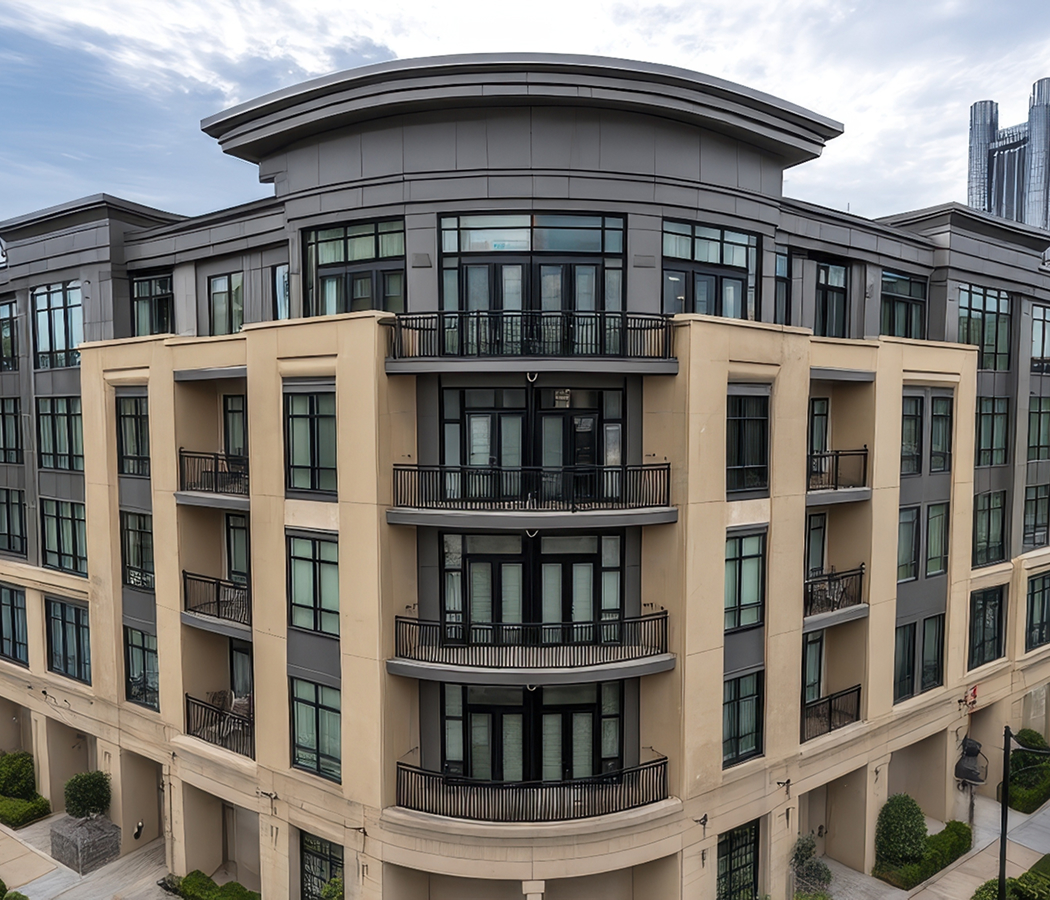
You feel the difference before you even understand it. The building rises clean and contemporary from Pack Square, yet it doesn't interrupt the city's rhythm, it absorbs it. Step inside and Asheville doesn't disappear; it softens. Sound lowers. Movement slows. Light filters. The lobby feels like a place designed for people who actually inhabit space. Seating is intentional, arranged for pause and conversation. Materials matter here, warm woods, stone, metal, and textiles that feel chosen for touch as much as sight. Nothing screams design; everything hums with it. The atmosphere is calm without being sterile, refined without being aloof. Guest rooms continue this sense of grounded modernity. They feel generous. Beds are deeply comfortable, the kind that reset your body. Windows frame Asheville's streets, treetops, and distant hills as moving, breathing scenes. Interiors lean into neutral palettes that reflect mountain light and urban shadow, allowing the outside world to remain present. Bathrooms are quietly luxurious, spacious, clean-lined, and restorative, supporting routine. What defines the experience is coherence. Nothing here competes for attention. Instead, the hotel creates a container where Asheville can be felt more clearly. Kimpton Hotel Arras is ideal for travelers who want to feel connected to a city's soul without being overwhelmed by it, who appreciate modern comfort paired with resonant calm, and who understand that the most memorable stays often come from spaces that know when to speak softly.
What you should know about Kimpton Hotel Arras.
Kimpton Hotel Arras occupies a rare position in Asheville, not leaning into rustic nostalgia or mountain lodge clichés, but offering a contemporary counterbalance that still respects the city's history, texture, and creative spirit.
The building itself stands on ground layered with Asheville's past, and rather than attempting to replicate history through design tropes, Arras chooses discussion instead of imitation. Its modern architecture acts as a frame, allowing the city's character to remain visible. This restraint is intentional. Asheville is a place of strong identities, art, craft, music, food, nature, and Arras understands that its role is not to amplify noise but to provide clarity. One of the hotel's most understated strengths is how it mediates energy. Downtown Asheville can be lively, expressive, and dense with stimulus. Arras absorbs that energy and returns it softened, making rest feel natural. This is felt in sound design, lighting choices, spatial transitions, and even circulation patterns. Hallways don't feel like corridors; they feel like buffers. Public spaces don't feel performative; they feel inhabited. Service follows this same philosophy. Interactions are warm, present, and context-aware. Staff recommendations feel rooted in lived experience, which neighborhood feels right for a quiet dinner versus a lively one, how weather changes the feel of certain walks, when the mountains reveal themselves best through shifting light. The hotel's relationship with Asheville's creative community is also subtle but meaningful. Art is present without becoming decorative clutter, curated to invite reflection rather than demand attention. Communal spaces support both solitude and connection, allowing guests to choose their level of engagement. Arras doesn't try to be everything Asheville is. It provides something many travelers don't realize they need until they arrive: a place to process Asheville. Architecturally and emotionally, the hotel functions as a pause button, a way to experience the city. This is especially powerful over multiple nights, when the absence of visual and resonant noise allows deeper rest and clearer perception. In a destination celebrated for abundance, Arras offers restraint, and that restraint becomes its quiet luxury.
How to fold Kimpton Hotel Arras into your trip.
Kimpton Hotel Arras works best when you allow it to set the resonant tempo of your Asheville stay, creating a rhythm of exploration and return that feels sustainable, intentional, and deeply human.
Begin your mornings slowly. Open the curtains and let mountain light and city movement ease you awake. Step outside for coffee or breakfast nearby, letting Asheville's streets guide you. Walk. Notice how the city feels before it fills. Return to Arras midday, not because you're tired, but because you can. Sit in the lobby. Read. Rest. Let the space recalibrate you. From this grounded center, exploration becomes more meaningful. Visit galleries, wander neighborhoods, drive the Blue Ridge Parkway when the mood calls for altitude and distance. Let the mountains be expansive, then come back to something contained. Evenings are best approached with intention. Dine locally or stay close, knowing that Arras will be waiting, calm, warm, and receptive. Over multiple days, a pattern emerges. Mornings open outward, afternoons soften, evenings settle. You stop trying to do Asheville and start letting it happen around you. The hotel becomes less a place you stay and more a place that holds the experience together. When it's time to leave, you don't feel wrung out or overstimulated. You feel integrated. Kimpton Hotel Arras doesn't imprint itself through performance or excess. It lingers because it gave you space, space to rest, space to notice, space to feel Asheville. That is the kind of stay that stays with you.
Where your story begins.
Foresyte Travel reveals places that feel extraordinary long before you arrive.
Experience premium editorial crafted for luxury travelers.