Why you should experience 2nd Avenue in Atlanta, Georgia.
2nd Avenue is an intimate corridor where Summerhill's industrial heritage, neighborhood revival, collegiate tradition, and architectural continuity preserve one of Atlanta's quietly enduring urban streets.
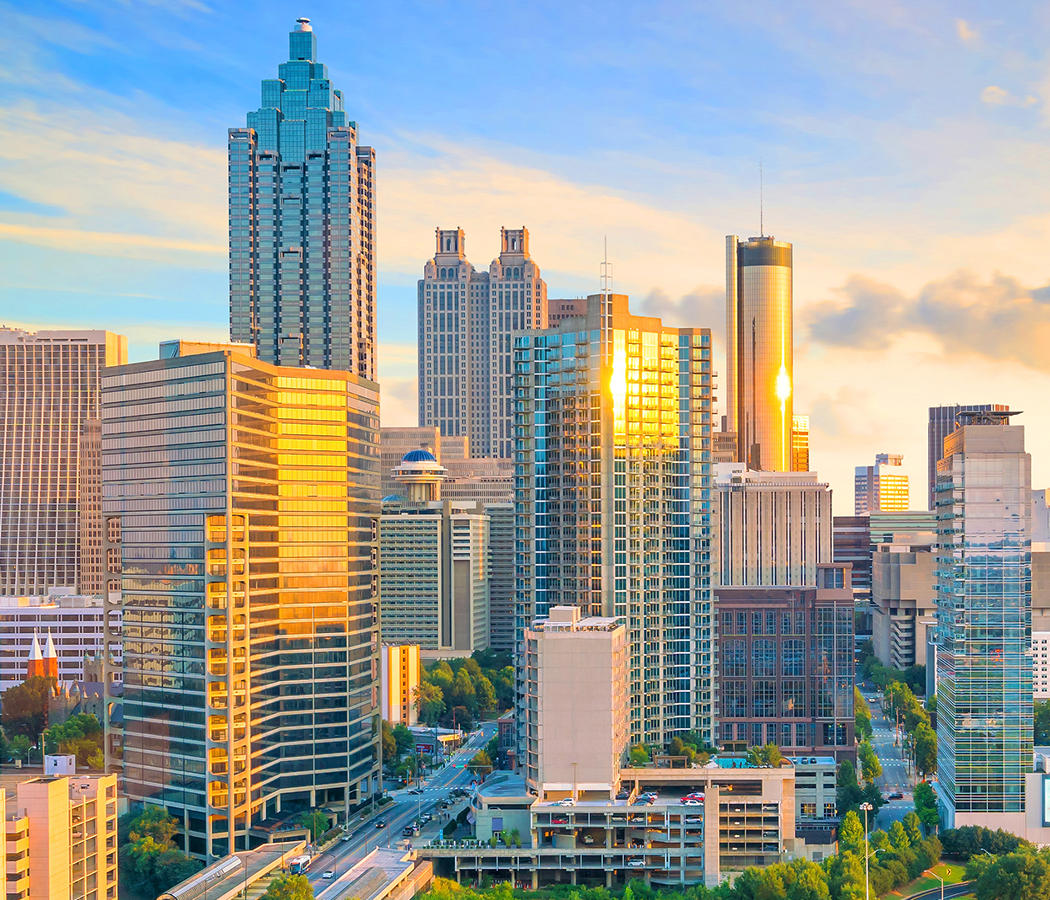
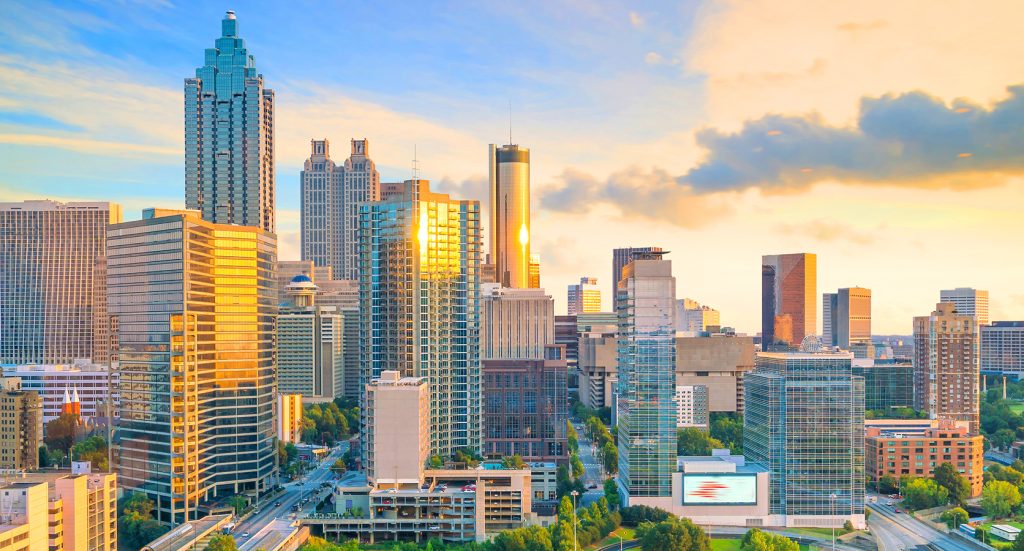
Running through Summerhill between Grant Park and Mechanicsville, the corridor connects historic residential blocks, educational institutions, neighborhood businesses, and civic streetscapes that collectively reflect the area's evolution from a nineteenth-century streetcar community into one of Atlanta's oldest continuously inhabited neighborhoods. Successive blocks reveal how residential construction, institutional investment, and careful reinvestment established a streetscape that continues balancing historic character with contemporary neighborhood life. Early masonry buildings, mature tree canopies, restored residences, and walkable blocks document more than a century of urban development. The result is an experience defined by authenticity, continuity, and one of Summerhill's most distinctive corridors.
What you should know about 2nd Avenue.
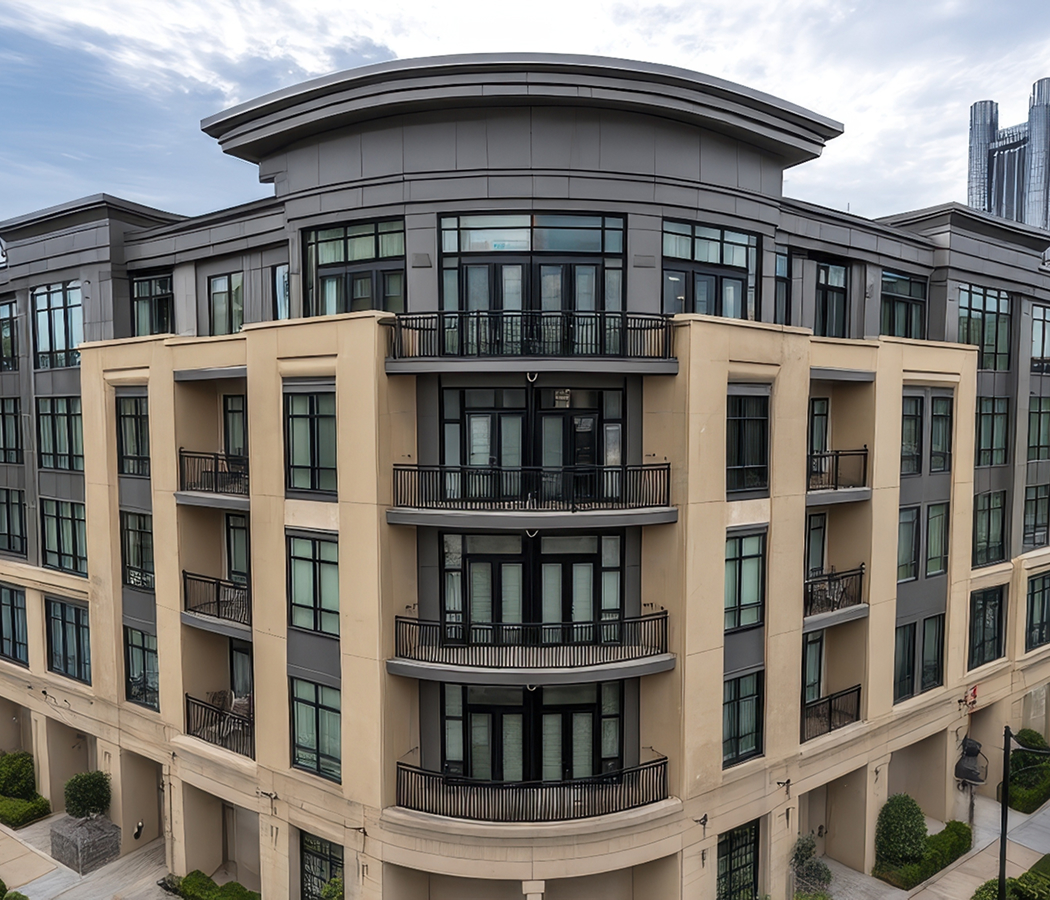
2nd Avenue is best known for reflecting the historic development of Summerhill, among Atlanta's oldest residential neighborhoods, whose expansion accelerated during the 1880s and 1890s as electric streetcar service and proximity to the city's commercial core attracted sustained residential construction. Building activity introduced substantial Queen Anne, Craftsman, Folk Victorian, and American Foursquare residences constructed with heart pine framing, brick pier foundations, decorative woodwork, wraparound porches, and locally produced masonry that continue defining the surrounding streetscape. The corridor also benefited from the long-standing presence of Georgia State University, whose continued expansion into nearby Summerhill during the twenty-first century introduced new academic facilities, student-oriented infrastructure, and adaptive rehabilitation projects while respecting the neighborhood's historic street grid. Infrastructure improvements incorporated reconstructed sidewalks, upgraded utilities, landscaped streetscapes, traffic-calming measures, and enhanced pedestrian connections that strengthened accessibility. Collectively, Summerhill's streetcar-era growth, enduring residential architecture, university investment, traditional construction methods, and long-term neighborhood preservation established 2nd Avenue as one of the community's defining historic corridors.
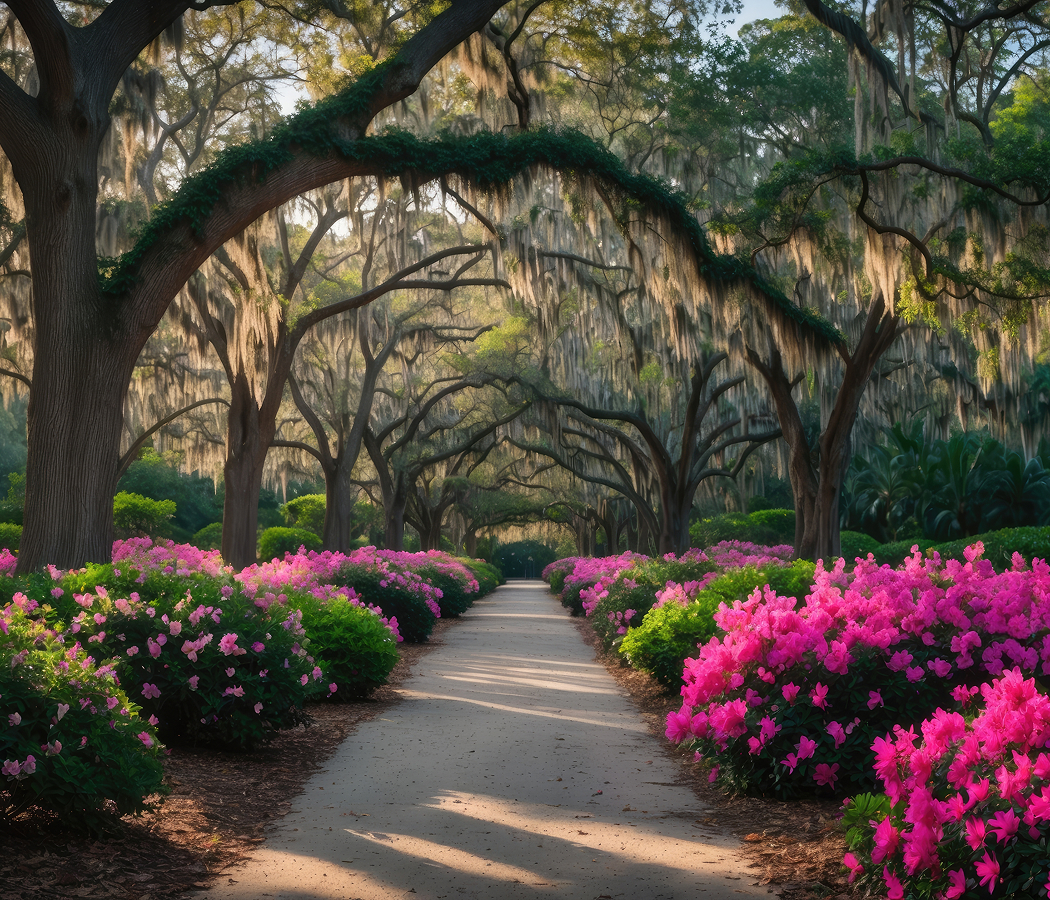
Rolling terrain influenced street alignment, lot configuration, drainage engineering, and residential setbacks, creating an urban landscape that preserves the neighborhood's nineteenth-century development pattern while accommodating successive generations of reinvestment. Rehabilitation efforts have retained original brick chimneys, decorative porch columns, wood siding, granite curbing, and mature tree canopies that demonstrate construction practices associated with Atlanta's principal era of residential expansion. Continued collaboration among preservation advocates, educational institutions, and neighborhood organizations has reinforced architectural continuity while supporting sensitive redevelopment compatible with Summerhill's historic identity. Ultimately the combined influence of streetcar-era planning, institutional investment, architectural preservation, and community stewardship demonstrates how 2nd Avenue continues expressing the enduring evolution of Summerhill.
How to fold 2nd Avenue into your trip.
2nd Avenue works as an exploration of Summerhill's history, public spaces, and cultural evolution.
Begin at Phoenix Park II, where inviting green space and neighborhood gathering areas introduce Summerhill's contemporary community spirit before naturally leading toward 2nd Avenue. Continue to Center Parc Stadium, where the site's continuing role in Atlanta's collegiate and civic life deepens appreciation for the neighborhood's evolving character while extending the experience through one of Summerhill's defining destinations. Conclude at Oakland Cemetery, where remarkable funerary art, distinguished civic figures, and beautifully preserved Victorian landscapes provide a fitting finale celebrating the history that shaped the surrounding community. The progression moves naturally from neighborhood gathering space to institutional life before concluding with Atlanta's nineteenth-century heritage, revealing why 2nd Avenue remains an enduring expression of Summerhill.
Where your story begins.
Foresyte Travel reveals places that feel extraordinary long before you arrive.
Experience premium editorial crafted for luxury travelers.