Why you should experience Trinity Avenue in Atlanta, Georgia.
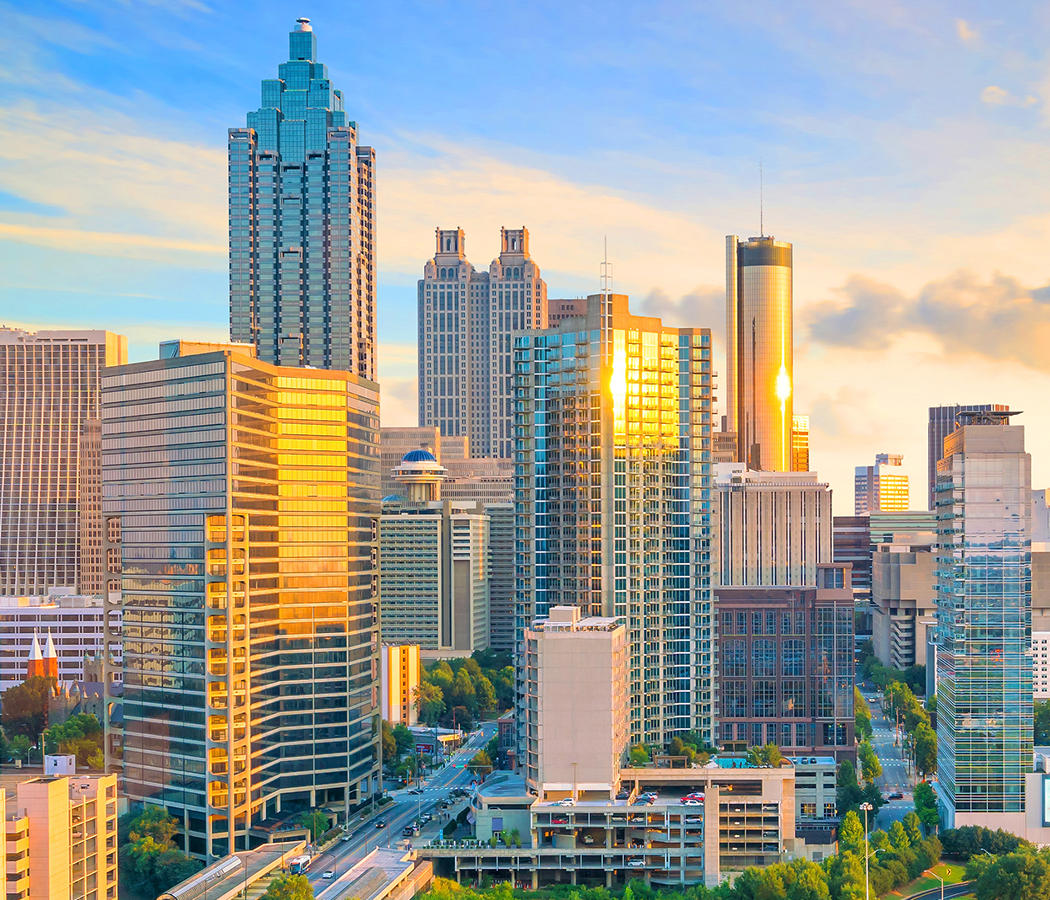
Trinity Avenue is a dignified corridor where Downtown's civic legacy, governmental prominence, architectural heritage, and urban resilience converge along one of the city's most historically significant east-west streets.
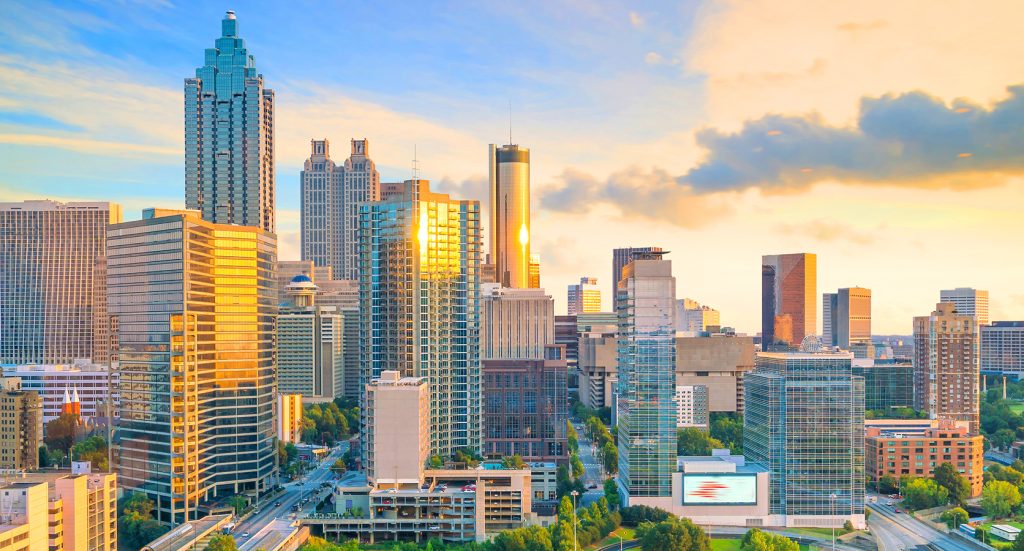
Running through Downtown between Castleberry Hill and Sweet Auburn, the corridor connects government buildings, historic commercial blocks, churches, and longstanding civic institutions that collectively reflect Atlanta's transformation from a railroad town into the capital of the Southeast. Successive blocks reveal how Reconstruction, municipal expansion, and commercial growth established an avenue that continues anchoring Atlanta's governmental and historic core. Granite civic buildings, masonry commercial structures, early office blocks, and preserved streetscapes document more than a century of urban evolution. The result is an experience defined by continuity, purpose, and one of Downtown's most consequential corridors.
What you should know about Trinity Avenue.
Trinity Avenue is best known for occupying part of Atlanta's original nineteenth-century street network, developing rapidly after the city's incorporation in 1847 as commercial expansion spread outward from the railroad junction formerly known as Terminus. Reconstruction following the 1864 Burning of Atlanta reshaped the corridor through widespread brick and stone construction that replaced earlier wood-frame buildings while reinforcing Downtown as Georgia's emerging political and commercial center. During the late nineteenth and early twentieth centuries, surrounding blocks introduced Romanesque Revival, Beaux-Arts, Classical Revival, and Commercial Style architecture distinguished by load-bearing masonry, structural steel framing, ornamental terra-cotta, granite foundations, decorative cornices, and expansive window bays. Growth of nearby banking houses, insurance firms, wholesale merchants, legal offices, and municipal departments established Trinity Avenue as an integral component of Atlanta's civic and business district during the city's principal era of expansion. Collectively, these layers of railroad-era growth, postwar reconstruction, architectural ambition, and commercial development established Trinity Avenue as one of Downtown's defining historic corridors.
Extending along the corridor, Atlanta City Hall, completed in 1930 to designs by G. Lloyd Preacher, introduced a restrained Classical Revival civic landmark crowned by a distinctive limestone tower that has remained Atlanta's municipal headquarters for nearly a century. Nearby Atlanta Constitution Building reflected the city's emergence as the publishing capital of the Southeast during the early twentieth century, reinforcing the corridor's longstanding association with journalism, commerce, and public affairs. Original granite curbs, brick masonry, ornamental metalwork, limestone detailing, and early commercial façades continue preserving the material character established during Downtown's principal period of construction. Ultimately the concentration of civic architecture, publishing history, and remarkably intact historic streetscapes demonstrates how Trinity Avenue continues expressing Atlanta's enduring governmental and commercial legacy.
How to fold Trinity Avenue into your trip.
Trinity Avenue works as an exploration of Downtown's civic history, architecture, and public life.
Begin at The Healey Building, where one of Atlanta's finest Beaux-Arts skyscrapers establishes the city's early twentieth-century architectural ambition before naturally leading toward the surrounding historic core. Continue to Fairlie-Poplar Historic District, where beautifully preserved commercial buildings, warehouses, and office blocks deepen appreciation for the urban fabric that developed alongside Trinity Avenue while naturally advancing the walking route. Conclude at Woodruff Park, where public art, community gatherings, and decades of civic activity provide the historical payoff by illustrating how Atlanta's commercial center evolved into its enduring public heart. Together, the sequence reveals how architecture, commerce, and civic life have continually shaped the historic landscape surrounding Trinity Avenue.
Where your story begins.
Foresyte Travel reveals places that feel extraordinary long before you arrive.
Experience premium editorial crafted for luxury travelers.