Why you should experience DuSable Bridge in Chicago, Illinois.
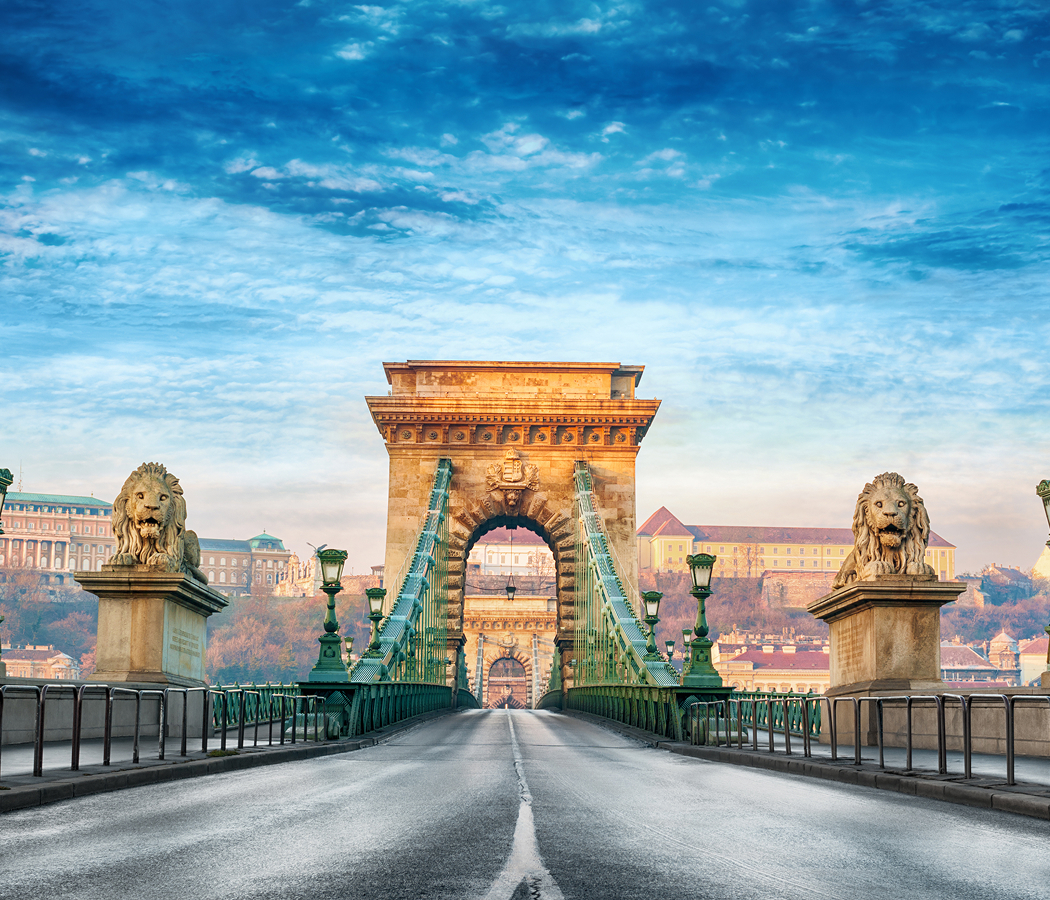
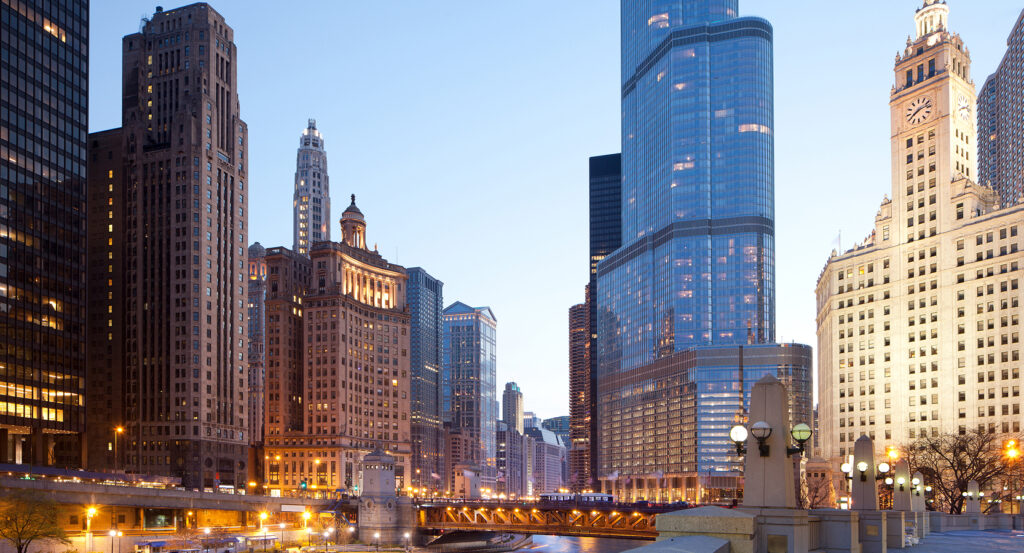
The Michigan Avenue Bridge, officially the DuSable Bridge, is where Chicago's pulse runs strongest, a sweep of steel and stone uniting the city's glittering north and south.
Standing over the Chicago River, it's more than an engineering marvel; it's a gateway between eras, between the Old Chicago of stockyards and the modern metropolis of glass and ambition. When you walk its span, the skyline unfolds like a storybook, the Wrigley Building gleaming white on one side, the Tribune Tower carved in Gothic poetry on the other. Below, the emerald river mirrors the lights of passing tour boats and the rhythmic lift of the bascule bridge, a feat of industrial ballet performed with quiet grace. To stand at its midpoint is to feel the city breathing beneath your feet, where every horn, breeze, and ripple seems to harmonize in a single note, Chicago.
What you didn't know about DuSable Bridge.
The Michigan Avenue Bridge was the linchpin of the 1920s Plan of Chicago, the city's bold vision to merge beauty and utility into its urban core.
Completed in 1920, it was one of the first double-deck bascule bridges ever built, designed by architect Edward Bennett and engineer Hugh Young. Its Beaux-Arts pylons, adorned with heroic bas-reliefs, depict pivotal moments in Chicago's story: the arrival of Jean Baptiste Point du Sable, the Great Fire, and the city's rebirth from ashes. Few realize the lower deck was built to separate freight and pedestrian traffic from the main avenue above, a marvel of foresight that kept commerce and leisure flowing side by side. Inside the bridge houses, small museums now preserve the bridge's history, offering visitors a glimpse into the artistry and audacity that made it possible. The structure doesn't just carry cars and people; it carries the soul of a city built on reinvention.
How to fold DuSable Bridge into your trip.
To truly experience the Michigan Avenue Bridge, cross it at twilight, when the sun slips behind the skyline and the water turns molten gold.
Pause halfway to take in the layered architecture: the classical facades of the 1920s alongside the mirrored towers of today. Wander down to the Riverwalk beneath the bridge, where you can watch its massive leaves rise and fall during a scheduled lift, an event that feels almost ceremonial. Visit the nearby McCormick Bridgehouse & Chicago River Museum to peer inside the bridge's mechanical heart and see the gears that keep it alive. When night falls, linger a little longer on the upper deck; the lights of Michigan Avenue flicker like champagne, and for a moment, you'll understand why this bridge isn't just a crossing, it's Chicago's most elegant act of connection, binding history, motion, and beauty into a single, unforgettable span.
Where your story begins.
Start your planning journey with Foresyte Travel.
Experience immersive stories crafted for luxury travelers.