Why you should experience Hotel Stadtpalais in Cologne, Germany.
Hotel Stadtpalais is a quietly refined, apartment-like urban retreat where residential calm, thoughtful design, and a sense of everyday life intersect to create a stay that feels lived-in.
Set in the Agnesviertel district, a neighborhood defined by leafy streets, local bakeries, independent cafés, and residents moving through daily routines rather than tourist crowds, the hotel offers a version of Cologne that feels like a welcome extension of real life. Arrival here is deliberate and composed; there is no cinematic foyer performance, only a sense of stepping into a calm environment shaped around clarity and human scale. Public spaces are arranged for actual use: seating areas that encourage planning or quiet conversation rather than photo opportunities, lighting that emphasizes comfort and visibility rather than performance, and circulation paths that allow you to orient yourself without friction. The aesthetic is composed and contemporary, with material choices that feel warm and enduring. Guest suites reinforce this residential sense with layouts that allow your body to settle. Beds are substantial and supportive, designed for genuine rest after days of transit or exploration. Living niches within suites, seating areas, work surfaces, and thoughtful storage, support routines. Windows often look out onto quiet streets, mature trees, and neighborhood rhythms, reinforcing your embeddedness in a lived part of the city rather than a snapshot or postcard version of it. Bathrooms are spacious, cleanly organized, and designed to support daily life. The overall impression is one of grounded calm: Hotel Stadtpalais does not shout for attention but invites you to arrive, physically and psychologically, in a way many city hotels never allow. It is ideal for travelers who value coherence, quiet sophistication, and a stay that feels more like inhabiting a place than just passing through it.
What you should know about Hotel Stadtpalais.
Hotel Stadtpalais is best known for an architectural and operational philosophy that prioritizes residential scale, human rhythm, and spatial clarity over performance or thematic design, and this orientation deeply influences how guests experience both the hotel and the city beyond its doors.
Unlike properties that lean into visual drama or curated atmospheres, this hotel draws strength from restraint: spatial proportions that feel natural rather than engineered for impact, materials that age gracefully and quietly, and lighting calibrated to support circadian comfort rather than theatrical effect. The Agnesviertel context amplifies this approach. This neighborhood is rooted in everyday life, not carved out for highlight reels or mass tourism, and the hotel's architecture reflects that. Interiors feel calm and steady, with circulation that is intuitive and surfaces chosen for tactile comfort. Acoustic planning is subtle but effective; exterior urban sounds are contextual rather than intrusive, allowing you to remain aware of place without compromising rest. Lighting throughout the property is warm, measured, and layered, creating interior environments that feel steady and easy to inhabit over multiple days. Service culture aligns with this quiet operational intelligence. Interactions are professional and warm without being performative, prioritizing support and responsiveness rather than scripted ceremony. Staff assist with local orientation, neighborhood dining, transit connections, daily needs, in a way that feels like insider guidance. Another important aspect of the hotel's design is how it manages psychological thresholds: from exterior urban complexity to interior calm, from wakeful street life to restorative evening rest, and from structured activity to effortless pause. These transitions are subtle but palpable, creating a resonant ease that many travelers notice before they can articulate it. Guests often find that their cognitive load lightens simply by being here, a tribute not to loud design or performance, but to disciplined, context-aware architecture and operation. Hotel Stadtpalais does not seek to define Cologne for you; it invites you to discover the city through your own pace and pattern.
How to fold Hotel Stadtpalais into your trip.
Hotel Stadtpalais works best when you allow its residential calm and neighborhood texture to shape the tempo of your Cologne experience in a way that feels intentional.
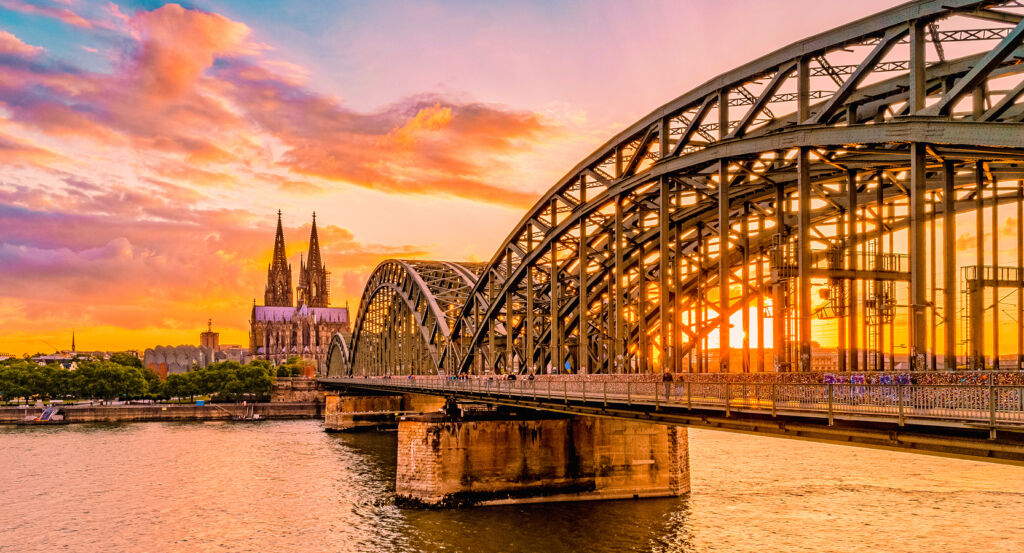
Start the mornings with a short walk to a local café where early light and resident rhythm set a grounded tone before crowds accumulate elsewhere in the city. From here, you can choose to explore Cologne's historic core, the Cathedral, Roman sites, Rhine promenade, without rushing, knowing that your base remains calm and intentionally spaced from the densest activity. Midday returns to the hotel feel genuinely restorative, offering space to reset or reorient before the afternoon continues. The hotel's comfortable common areas and suite layouts support real pause: answering messages, planning next movements, or simply sitting with coffee and the room's quiet energy. In the afternoon, branch out into adjacent neighborhoods that reward low-pressure wandering, Südstadt's tree-lined streets, Ehrenfeld's creative pockets, or the Belgian Quarter's independent shops and cafés, returning in the early evening to a space that absorbs presence. Evenings can unfold with flexibility. You can dine at neighborhood favorites where residents go after work, or step into Central Cologne's broader culinary scene and return knowing that your retreat remains calm and composed. For longer stays, the hotel's residential logic becomes increasingly valuable: routines emerge, routes become familiar, and Cologne starts to feel navigable. Business travelers benefit from the hotel's calm focus and transit connectivity without the pressure of central congestion, while leisure travelers gain resonant space that frames travel as lived experience rather than a series of highlights. Anchoring your visit here reframes Cologne not as a series of isolated attractions, but as a textured, lived city, architectural, cultural, and deeply human. Hotel Stadtpalais doesn't attempt to narrate your trip; it creates conditions for presence, coherence, and genuine curiosity, leaving you with the sense that Cologne wasn't merely seen, but meaningfully inhabited.
Where your story begins.
Foresyte Travel reveals places that feel extraordinary long before you arrive.
Experience premium editorial crafted for luxury travelers.