Why you should experience Alpenrose Hotel and Gardens in Switzerland.
Alpenrose Hotel and Gardens is where the scent of wildflowers, the glow of alpine sunsets, and the timeless charm of a family-run Swiss chalet wrap around you so completely that your stay feels like stepping into a slower, more radiant version of life in the mountains.
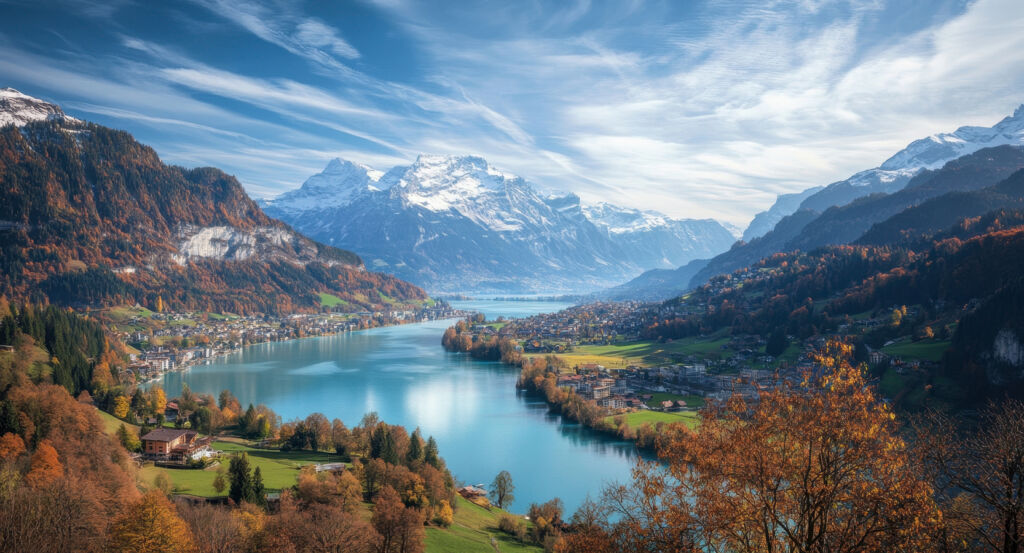
Set on a gentle slope in the car-free village of Wengen, overlooking the vast amphitheater of the Lauterbrunnen Valley and facing the towering snowfields of the Jungfrau-Alpenrose Hotel and Gardens stands as one of the region's most iconic hotels. Built in 1881 and lovingly run by the same family for generations, the hotel radiates a sense of continuity, warmth, and lived-in Alpine soul. The exterior is a classic Swiss dream: carved balconies, flower boxes bursting with color in summer, steep chalet roofs, timber detail, and a setting so picturesque it looks painted onto the mountainside. Step inside and the atmosphere deepens into something warm, nostalgic, and quietly elegant. The lobby blends traditional Swiss décor with soft modern touches, polished wood, vintage accents, curated antiques, warm fabrics, gentle lighting, and large windows framing endless mountain views. Every corner feels intentional, personal, and rooted in decades of caring hospitality. Rooms continue this intimate alpine character with soft bedding, warm woods, classic textiles, simple furnishings, and windows or balconies that open onto either the dramatic cliffs of the Lauterbrunnen Valley or the snow-bright ridge of the Jungfrau. Many rooms have private balconies that turn morning coffee into a moment of pure alpine serenity, birdsong in the distance, the soft bell of a passing cow herd, and sunlight spilling across the valley floor thousands of feet below. Bathrooms are clean, modern, bright, and thoughtfully updated with glass showers or tubs, polished fixtures, warm lighting, and amenities chosen with care. The dining experience is a cornerstone of Alpenrose Hotel and Gardens. Dinner is served in a historic dining room glowing with warm wood, crisp linens, alpine artwork, vintage chandeliers, and panoramic windows. The cuisine is crafted in the spirit of Swiss mountain tradition: rich soups, local vegetables, tender meats, Rösti variations, seasonal specialties, vegetarian dishes, handmade sauces, and desserts that feel both nostalgic and refined. Breakfast is generous and beautifully presented, pastries, breads, eggs, yogurt, cheeses, smoked fish, charcuterie, cereals, fruit, preserves, juices, and strong Swiss coffee served beside morning light spilling across the valley. The hotel's bar and lounge carry the same warm, familiar embrace, comfortable seating, soft lighting, mountain touches, and a quiet energy that invites conversation, reading, or simply letting time slow down. But one of the most defining features of Alpenrose Hotel and Gardens is right in the name: the gardens. Wengen is known for its hanging gardens and flowering terraces, and Alpenrose holds some of the most beautiful. Terraced pathways, glowing flowerbeds, blooming balconies, alpine plants, sculpted shrubs, and quiet sitting areas create a living landscape that changes with the seasons. These gardens are more than decoration, they are part of the hotel's soul, framing the mountain views and creating peaceful outdoor sanctuaries for guests.
What you did not know about Alpenrose Hotel and Gardens.
Alpenrose Hotel and Gardens stands on land shaped by deep glacial forces, early pastoral culture, Celtic traditions, medieval settlement patterns, and the golden age of Swiss mountaineering that transformed Wengen into one of the Alps' most beloved villages.
The mountain perch where the hotel stands was carved thousands of years ago by the retreat of the massive Aare Glacier. As the ice receded, it sculpted the vast U-shaped Lauterbrunnen Valley, among the most dramatically carved glacial valleys on Earth, and left behind the high natural terraces that would eventually host the village of Wengen. These terraces were originally used by prehistoric peoples, including Celtic tribes who moved through the high meadows for seasonal grazing. Archaeological traces, stone tools, pottery fragments, and early transalpine pathways, suggest that humans used these mountains long before recorded history. The Celts imbued the region with spiritual meaning, viewing the towering white peaks as sacred guardians and the waterfalls as living spirits. When the Romans expanded into the region, the valley became part of early trade routes that linked Lake Thun to the alpine passes. Roman artifacts found across the Jungfrau Region show that soldiers and merchants moved through these elevations, even though permanent settlement remained scarce. In the medieval period, this high mountain world was used primarily for alpine pastoralism. Farmers brought their cattle up to the Wengen meadows in summer, tending herds while living in wooden huts that still dot the slopes today. These rhythms of alpine life shaped the culture, architecture, and land use of Wengen for centuries. The 13th century brought feudal and monastic influence, with surrounding land falling partly under the control of the Interlaken Monastery. The monks' agricultural practices helped shape grazing routes and settlement patterns across the valley. For hundreds of years, Wengen was a remote cluster of alpine farmhouses reachable only by steep footpaths. That isolation preserved the quiet, traditional character that visitors still feel today. Everything changed in the 19th century during the Romantic era, when artists, scientists, writers, and early mountaineers discovered the Jungfrau Region. The Lauterbrunnen Valley became world-famous for its 72 waterfalls, its sheer cliffs, and its dramatic sense of natural theater. The terrace that holds Alpenrose Hotel and Gardens became a favored viewing point for explorers seeking refuge above the valley's raw drama. Wengen grew into an early alpine resort, welcoming climbers attempting the Jungfrau and Mönch. The construction of the Wengernalp Railway in the late 1800s transformed the village forever. For the first time, travelers could reach Wengen. Alpenrose Hotel and Gardens emerged during this period, built in 1881 as part of a wave of early Swiss hotels designed to host climbers, scholars, and wealthy visitors drawn to the mountains. It is one of Wengen's oldest continually operated hotels, still in the hands of the same family that helped shape its original identity. The gardens surrounding the hotel trace back to Victorian-era leisure culture, when Swiss hotels placed emphasis on outdoor promenades, flower terraces, and botanical diversity as part of the alpine wellness experience.
How to fold Alpenrose Hotel and Gardens into your trip.
Alpenrose Hotel and Gardens becomes the quiet, panoramic, flower-framed anchor of your Swiss adventure, a place where mornings begin with glacier light on the Jungfrau, days expand into world-class alpine exploration, and evenings return you to warm chalet comfort surrounded by gardens and mountain silence.
Begin your morning with breakfast in a sunlit dining room, fresh pastries, breads, eggs, yogurt, cheeses, smoked fish, fruit, charcuterie, jams, cereals, juices, and strong Swiss coffee enjoyed with the Jungfrau glowing across the valley. After breakfast, walk through Wengen's peaceful streets to the train or cable car. Spend your day exploring the Jungfrau Region: hike from Kleine Scheidegg to the foot of the Eiger, explore Mürren's cliffside viewpoints, descend into Lauterbrunnen's waterfall canyon, wander the ridge trails above Wengen, or continue to Jungfraujoch for an unforgettable world of ice and sky. In summer, return between wildflower paths, forest trails, lake cruises, panoramic lookouts, and long afternoons spent reading or resting in the hotel's energetic gardens. In winter, Alpenrose becomes a perfect base for skiing, Wengen is part of one of Switzerland's most historic ski regions, with renowned slopes including the Lauberhorn. After returning from the mountains, unwind in the lounge with a glass of wine, relax on your balcony as evening light softens the glaciers, or walk through the quiet streets of Wengen as lanterns begin to glow. Dinner options include Swiss taverns, fondue houses, panoramic bistros, and elegant alpine restaurants throughout the village. End your night breathing in crisp alpine air, wrapped in the hotel's quiet warmth, with the mountains standing silent and luminous above you. Alpenrose Hotel and Gardens becomes not just where you stay, but the peaceful, flower-framed, mountain-bright soul of your entire Wengen journey.
Where your story begins.
Foresyte Travel reveals places that feel extraordinary long before you arrive.
Experience premium editorial crafted for luxury travelers.