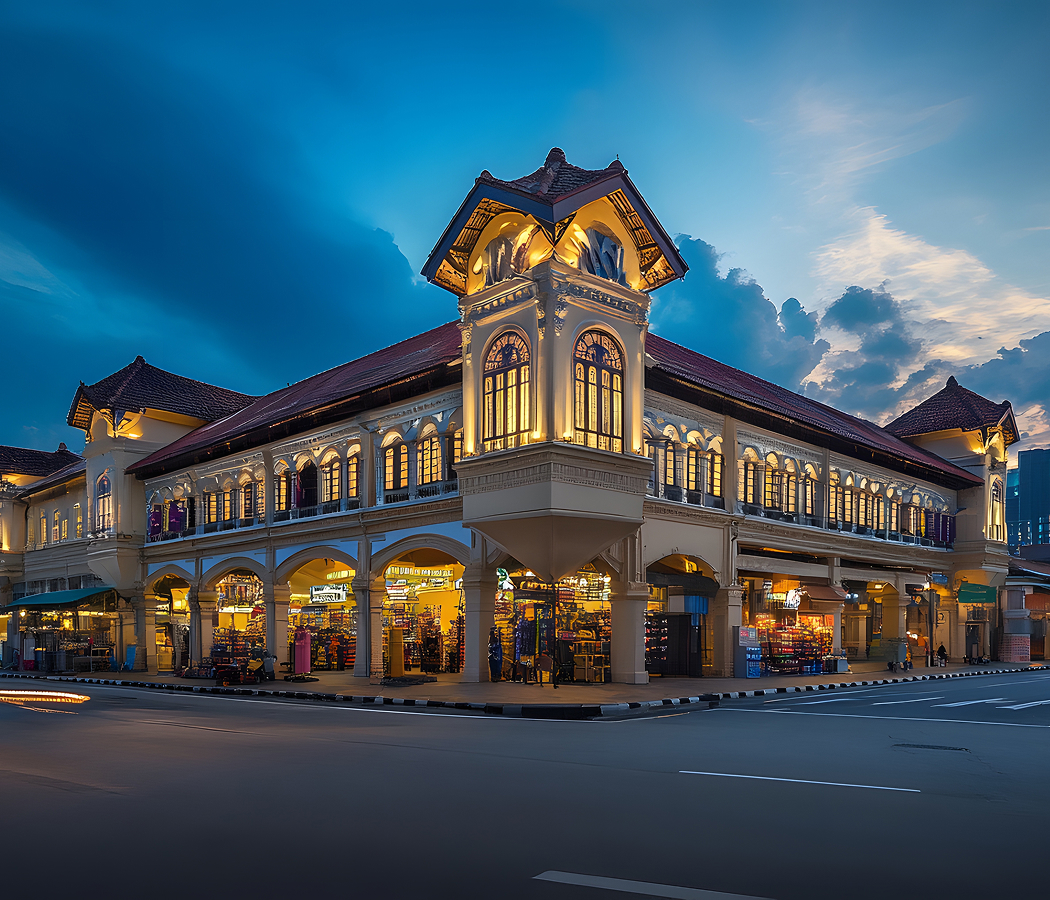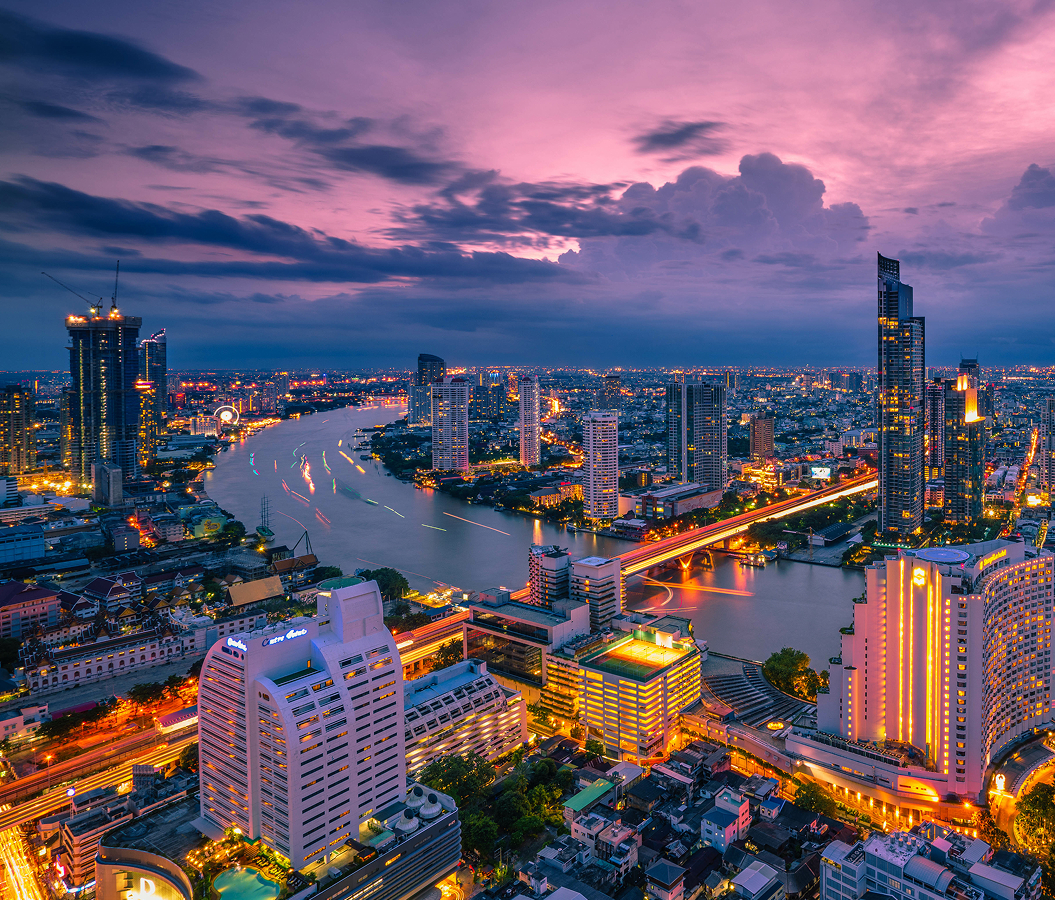
Why you should experience Ampang in Kuala Lumpur, Malaysia.
Ampang is among the city's most historically significant districts, where diplomatic influence, multicultural communities, and urban growth converge within a neighborhood that played a foundational role in the development of modern Kuala Lumpur.
Embassy districts, thriving commercial streets, international restaurants, residential communities, cultural landmarks, and panoramic city viewpoints create a district that blends historical importance with contemporary global influence. Located just east of the city center, Ampang evolved from a tin-mining settlement into one of the most established urban areas in the Klang Valley. Over time, diplomats, entrepreneurs, and diverse immigrant communities helped shape a neighborhood known for its international character and strategic importance. Today, modern developments coexist with long-standing local businesses and cultural institutions that reflect generations of growth and transformation. The result is a neighborhood that feels cosmopolitan, historic, and deeply connected to Kuala Lumpur's origins. To the west, KLCC's skyline and commercial districts extend naturally from Ampang toward the city center, reinforcing the neighborhood's position within one of Malaysia's most influential urban regions. Every boulevard, embassy, and commercial corridor reflects a neighborhood shaped by history, diplomacy, and opportunity.
What you should know about Ampang.
Ampang is best known for being the site of the tin-mining settlement that helped give rise to Kuala Lumpur and fueled the region's early economic growth.
During the nineteenth century, Chinese miners established operations in the Ampang area after discovering rich tin deposits that attracted investment, labor, and commercial activity to the region. The prosperity generated by these mines helped support the growth of settlements along the Klang and Gombak Rivers, ultimately contributing to the emergence of Kuala Lumpur as a major trading center. As mining activity expanded, transportation networks, businesses, and communities developed throughout the surrounding area, laying foundations for the city's future growth. The district's connection to this formative chapter of Malaysian history remains one of its most important distinguishing characteristics. Few neighborhoods in the Kuala Lumpur region possess such a direct link to the economic origins of the capital itself.
How to fold Ampang into your trip.
Ampang works as an exploration of the cultural landmarks, urban viewpoints, and historic corridors that define one of the city's most influential districts.
Begin at Ampang Point, where the neighborhood's defining connection to community life and commercial activity immediately comes into focus. Continue toward Taman Tasik Ampang Hilir, whose lakeside setting and green spaces reveal a quieter side of the district amid the surrounding urban landscape. From there, make your way to Ampang Lookout Point, where sweeping views across Kuala Lumpur provide a broader perspective on the city whose origins are closely tied to the district's mining heritage. Along the route, you'll encounter international dining destinations, embassy precincts, neighborhood cafés, cultural landmarks, residential communities, commercial avenues, and scenic viewpoints that showcase the neighborhood's remarkable diversity. The progression moves naturally from commercial center to urban oasis to panoramic overlook, revealing the forces that shaped the neighborhood. Ampang remains one of the region's most important districts, preserving a remarkable balance between historical significance, international influence, and contemporary city life.
Where your story begins.
Foresyte Travel reveals places that feel extraordinary long before you arrive.
Experience premium editorial crafted for luxury travelers.