Why Arab Street matters.
Draped in color, scent, and song, Arab Street unfolds like a desert caravan come to rest, a spirited artery of heritage that hums with life from dawn to dusk.
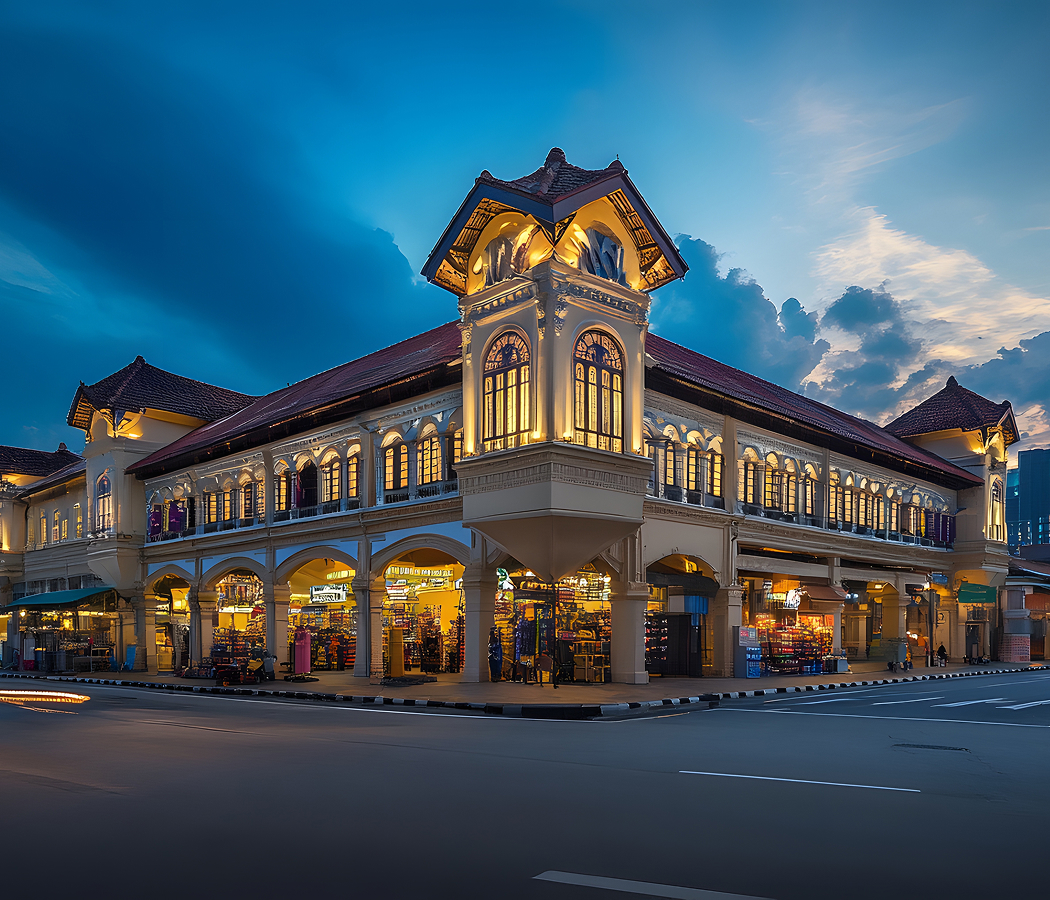
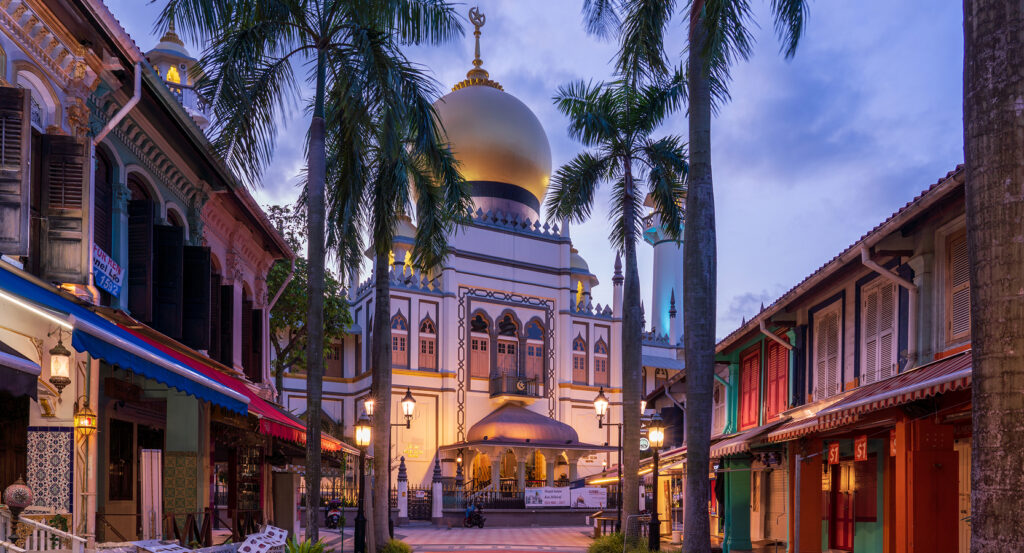
Once the heart of Singapore's Arab trading quarter, it remains a physical feast where textiles shimmer like water, incense curls through the air, and the golden dome of the Sultan Mosque glows just beyond the rooftops. The street itself is narrow, sun-dappled, alive with rhythm, silken scarves fluttering in the breeze, shopkeepers calling from behind towers of perfume bottles, and cafés spilling mint tea into delicate glass cups. Turkish lamps glow in clustered constellations from ceilings, their jeweled mosaics scattering fragments of color across tiled floors. To walk Arab Street is to move through time: echoes of 19th-century spice merchants and Haji pilgrims mingle with the laughter of modern creatives sketching between espresso sips. The scent of oud, rose, and cardamom clings to everything, a perfumed reminder that trade here was always more than commerce. It was conversation.
What defines Arab Street, Singapore.
What most travelers never realize is that Arab Street represents not just a place, but a pact, a living tribute to cross-cultural kinship that shaped Singapore's earliest identity.
Granted by Sir Stamford Raffles in the 1820s to Arab traders under the patronage of Sultan Hussein Shah, this enclave became a thriving hub of faith and exchange. Yemeni and Hadhrami merchants imported fine textiles, carpets, and attars from the Middle East, while Malay artisans wove songket fabrics heavy with gold thread. Over generations, these influences interlaced, Arab domes beside Malay verandas, Islamic calligraphy alongside Chinese latticework. The result is a streetscape that feels both ancient and experimental, deeply rooted yet forever evolving. Even today, families who've traded here for decades still unlock the same wooden shutters each morning, their shops stocked with perfumes distilled from Damascus roses or embroidered fabrics stitched in Johor. The genius of Arab Street is that it never fossilized, its traditions breathe, adapt, and seduce anew with every scent and syllable.
How Arab Street, Singapore fits.
To fold Arab Street into your Singapore journey, walk slowly, and let your senses guide you.
Arrive in the late morning, when sunlight gilds the mosque's dome and the shops open in a slow, graceful rhythm. Begin at the Sultan Mosque, its minarets standing like exclamation marks of faith, then drift down the street, tracing your fingertips along bolts of silk, velvet, and brocade. Step into a perfume shop and inhale deeply: oud wood, amber, musk, rose, the style of elegance. Stop at a rug dealer's doorway; you'll be invited, without hurry, to touch the weaves, to learn the difference between hand-knotted and machine-spun. Pause for a cup of mint tea or Turkish coffee at one of the sidewalk cafés; watch the mosaic of humanity pass, artists, worshippers, travelers, dreamers. As evening deepens, lanterns flicker on, and the street transforms into poetry, light, laughter, and music drifting into the warm night air. When you finally leave, the scent of Arab Street will follow you, not as perfume, but as memory, the kind that lingers long after you've gone.
Where your story begins.
Foresyte Travel reveals places that feel extraordinary long before you arrive.
Enjoy editorial crafted for luxury travelers.
Foresyte may earn a commission when you book.