Why Asiatique The Riverfront matters.
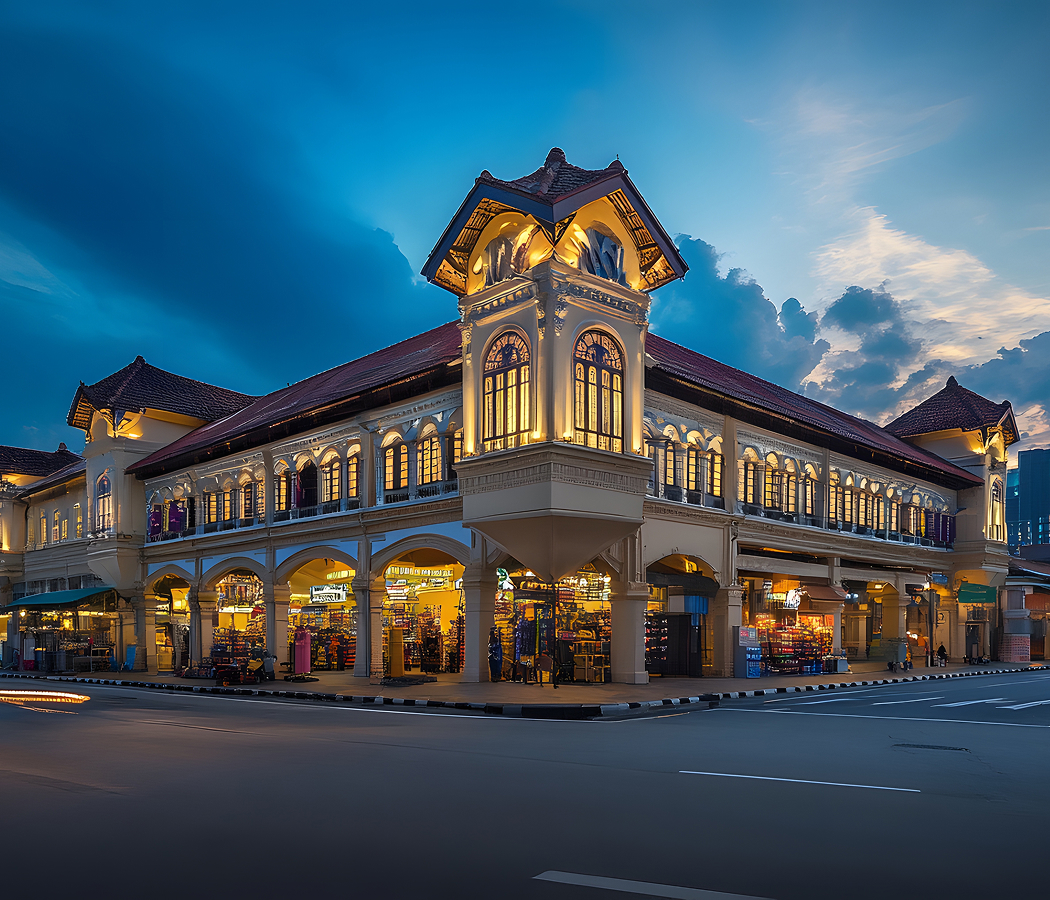
Asiatique The Riverfront is a waterfront shopping and entertainment complex where Wat Phraya Krai's mercantile heritage meets Bangkok's historic river trade and the transformation of former industrial property into a destination for dining, retail and evening entertainment.
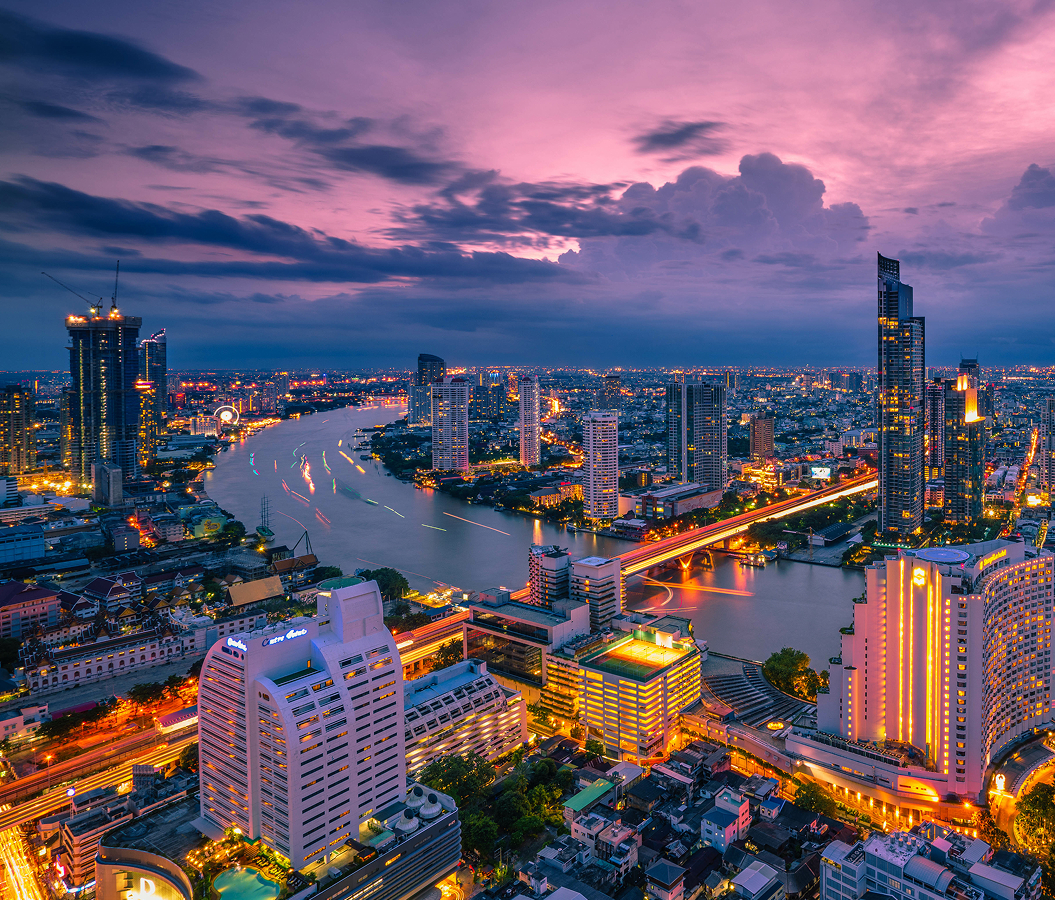
Set along Charoen Krung Road near Charoen Krung Soi 74 and just steps from the Asiatique Riverfront Pier, the complex occupies a substantial stretch of the Chao Phraya's eastern bank between the historic Bang Kho Laem riverfront, the residential streets extending inland and the commercial waterfront approaching Sathon. Restored warehouse-style buildings surround broad pedestrian avenues, their pitched roofs, exposed structural elements and brick detailing recalling the industrial character of the former trading compound. An expansive riverside promenade connects restaurants, outdoor seating areas and entertainment venues, with the Asiatique Sky Ferris wheel rising above the waterfront as the development's most recognizable vertical feature. Covered retail passages and open courtyards organize the grounds into distinct commercial precincts, combining small shops, dining establishments and performance spaces within a pedestrian-oriented setting. The result is a riverfront destination whose industrial inheritance, commercial architecture and evening entertainment program connect Bangkok's trading history with its contemporary leisure economy.
What defines Asiatique The Riverfront.
Asiatique The Riverfront is best known for transforming a former East Asiatic Company trading site into a large waterfront entertainment complex that preserves the visual character of Bangkok's historic warehouse district. The property's commercial origins reach into the nineteenth-century expansion of international shipping along the Chao Phraya River. Danish entrepreneur Hans Niels Andersen arrived in Siam during the 1880s and developed commercial interests associated with the country's expanding trade in timber and other export commodities. Andersen founded the East Asiatic Company in Copenhagen in 1897, establishing a business whose operations connected Scandinavian commercial networks with ports and trading centers across Asia. The company's Siamese activities included teak trading, shipping and the management of substantial riverside facilities used for storing and transferring merchandise. Bangkok's riverfront provided the essential transportation infrastructure for these enterprises, with cargo moving between inland waterways, warehouses and ocean-going vessels. The East Asiatic Company's commercial presence became closely associated with the development of modern shipping and international trade in the Thai capital. Its warehouses and supporting facilities occupied valuable waterfront property along Charoen Krung Road, among Bangkok's earliest major modern thoroughfares. The riverfront compound subsequently passed through different phases of commercial use as Bangkok's port operations and urban geography evolved. The expansion of containerized shipping and the relocation of major cargo-handling activities changed the economic role of older riverside warehouse districts. TCC Land, part of the business interests associated with Thai entrepreneur Charoen Sirivadhanabhakdi, undertook the redevelopment of the former trading property into a commercial and entertainment destination. The project retained the industrial character of the site through warehouse-inspired architecture and the reuse of its historical commercial setting. Asiatique The Riverfront opened in April 2012, introducing a substantial night-market-style retail and dining destination beside the Chao Phraya. Its development reflected Bangkok's growing interest in adapting older commercial waterfront properties for tourism, hospitality and public recreation. The complex established a recognizable model for combining historical industrial associations with contemporary leisure programming along the city's principal river.
The East Asiatic Company's former trading grounds provide the organizing reference for Asiatique's commercial layout, which divides the development into themed precincts connected by pedestrian streets. Charoenkrung District concentrates smaller retail establishments within covered warehouse-style structures, incorporating clothing boutiques, accessories, souvenirs and other independent commercial operations. Town Square District establishes a more open setting for restaurants, social gatherings and seasonal activities, using broad pedestrian spaces to accommodate the movement of evening crowds. Factory District develops the industrial character of the complex through commercial interiors and architectural detailing associated with former manufacturing and storage buildings. Waterfront District extends along the river, concentrating dining terraces and open-air seating around views of passing vessels and the illuminated skyline. The promenade provides a continuous pedestrian edge beside the water, establishing a direct relationship between the development's commercial spaces and the working river beyond. Asiatique Sky rises 60 meters above the complex, with enclosed passenger cabins providing elevated views across the Chao Phraya and the surrounding districts. Its illuminated structure contributes a distinctive feature to the nighttime waterfront, establishing a recognizable point within the broader riverside landscape. The development's entertainment program includes theatrical attractions and performances associated with Thai popular culture and international visitors. Calypso Cabaret became an important component of the complex's performance offering, presenting elaborate stage productions incorporating dance, music and theatrical costume design. Muay Thai Live also contributed to the development's earlier entertainment programming, bringing staged presentations of Thailand's national martial art into a dedicated performance venue. The complex's restaurant landscape combines Thai regional cooking, seafood establishments and international dining concepts, supporting its position as an evening destination. Riverboat services provide an important transportation connection, linking the waterfront with the Sathon Pier area and Bangkok's wider network of river transport. The arrival by boat creates a distinctive approach to the development, revealing its illuminated façades and waterfront attractions from the Chao Phraya. The surrounding streets preserve elements of Bang Kho Laem's historical residential and commercial character, connecting the destination with neighborhoods shaped by river trade, religious institutions and successive phases of urban expansion. The combination of preserved commercial associations, warehouse-inspired design and extensive evening programming establishes Asiatique as a significant example of Bangkok's riverfront redevelopment.
How Asiatique The Riverfront fits.
Asiatique The Riverfront works as the evening centerpiece for a Chao Phraya itinerary connecting Bangkok's maritime heritage, the architectural history of its riverside religious institutions and the public spaces associated with the river's commercial development.
Begin at Wat Yannawa, the historic Buddhist temple distinguished by its extraordinary boat-shaped chedi, constructed during the reign of King Rama III in the nineteenth century. The structure incorporates the form of a Chinese trading junk, commemorating the maritime commerce that contributed substantially to Bangkok's economic development. Its architectural composition combines Buddhist religious symbolism with a direct reference to the vessels that connected Siam with regional trading networks. The temple grounds contain additional religious buildings and ceremonial spaces, preserving an important historical association between the Chao Phraya and the commercial communities established along its banks. Continue to Sathorn Pier, the principal river transport interchange adjoining Saphan Taksin BTS station. The pier occupies a strategic position beside the river's eastern bank, where passenger services connect Central Bangkok with historic neighborhoods, temples and commercial districts extending along the Chao Phraya. Its transportation infrastructure reflects the river's continuing importance within Bangkok's urban mobility network. The surrounding waterfront provides views of river traffic, including commuter boats, passenger ferries and commercial vessels operating between the city's principal landing points. The pier establishes a practical connection between the metropolitan rail system and the river routes that have shaped Bangkok's development for centuries. Conclude at ICONSIAM, the major waterfront retail and cultural complex developed on the western bank of the Chao Phraya. The project opened in 2018, introducing an extensive commercial destination incorporating luxury retail, restaurants, cultural attractions and substantial public spaces. Its architectural program includes the River Museum Bangkok concept and SookSiam, a commercial precinct presenting regional Thai food and craft traditions through an elaborate indoor marketplace. The complex's waterfront terraces provide expansive views across the river and the surrounding high-rise skyline. ICONSIAM represents a later phase of major commercial investment along the Chao Phraya, demonstrating the continuing transformation of former industrial and port-related land into high-profile urban destinations. The progression moves from a Buddhist monument commemorating Bangkok's maritime commerce through the transportation infrastructure sustaining river movement and culminates in a contemporary waterfront development associated with the city's expanding commercial economy.
Where your story begins.
Foresyte Travel reveals places that feel extraordinary long before you arrive.
Enjoy editorial crafted for luxury travelers.
Foresyte may earn a commission when you book.