Why you should experience Barnett Street in Atlanta, Georgia.
Barnett Street is a quiet corridor where West End's railroad heritage, architectural continuity, neighborhood resilience, and cultural legacy preserve the character of one of Atlanta's oldest communities.
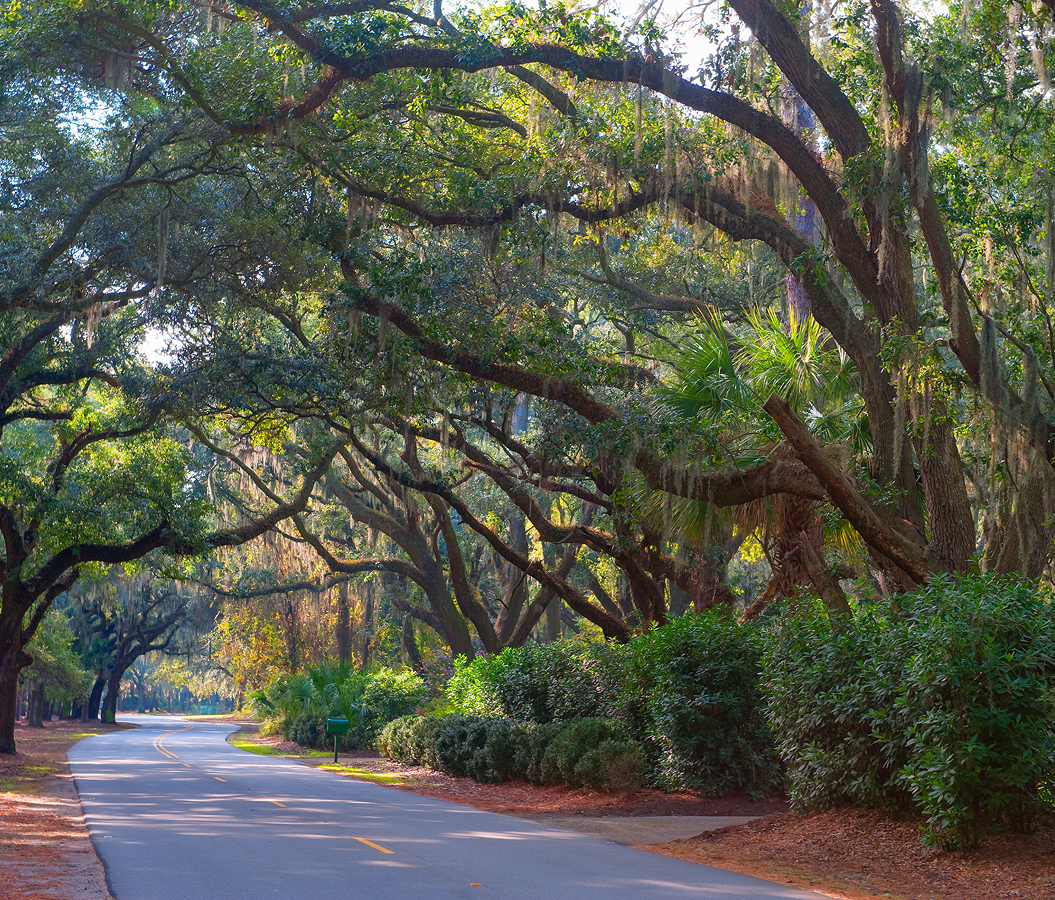
Running through West End between Adair Park and Oakland City, the corridor connects historic residences, neighborhood institutions, tree-lined blocks, and commercial streets that collectively reflect West End's emergence as one of Atlanta's premier streetcar suburbs during the late nineteenth century. Successive blocks reveal how residential expansion, electric transit, and long-term preservation established a streetscape that continues honoring more than a century of neighborhood history. Victorian-era homes, mature hardwood canopies, brick sidewalks, and preserved streetscapes document an environment shaped by careful planning and enduring community stewardship. The result is an experience defined by continuity, charm, and one of Southwest Atlanta's most enduring residential corridors.
What you should know about Barnett Street.
Barnett Street is best known for contributing to the historic fabric of the West End Historic District, whose rapid expansion followed Atlanta's post-Civil War recovery and the introduction of electric streetcar service during the 1890s, transforming the neighborhood into one of the city's earliest planned commuter communities. Residential construction between the 1880s and 1930s introduced substantial Queen Anne, Colonial Revival, Craftsman, and American Foursquare houses featuring heart pine framing, brick pier foundations, decorative millwork, wraparound porches, and locally produced masonry that continue defining the corridor's architectural identity. Inclusion within the West End Historic District, listed on the National Register of Historic Places in 1973, recognized the neighborhood's exceptional collection of late nineteenth- and early twentieth-century residential architecture while encouraging long-term preservation of its historic streetscape. The corridor also reflects West End's evolution through successive periods of residential growth, civic investment, and neighborhood stabilization that preserved original lot patterns, mature tree canopies, granite curbing, and pedestrian-oriented street design. Collectively, the arrival of electric streetcars, nationally recognized historic designation, architectural diversity, traditional construction methods, and sustained preservation established Barnett Street as a defining corridor within one of Atlanta's most historically significant neighborhoods.
Long-term stewardship has preserved original wood siding, slate and asphalt shingle rooflines, decorative brackets, stained-glass windows, and handcrafted porch details that demonstrate the building practices employed during West End's principal era of residential construction. The neighborhood's gently rolling topography continues influencing street alignment, drainage patterns, and landscape character while reinforcing the picturesque qualities envisioned by nineteenth-century suburban planners. Preservation organizations, neighborhood associations, and ongoing rehabilitation efforts have strengthened the corridor's architectural continuity without diminishing its historic scale or residential identity. Ultimately the combined influence of streetcar-era planning, historic architecture, landscape preservation, and sustained community investment demonstrates how Barnett Street continues expressing the enduring legacy of Atlanta's West End.
How to fold Barnett Street into your trip.
Barnett Street works as an exploration of West End's architectural heritage, cultural institutions, and neighborhood history.
Begin at West End Historic District, where preserved Victorian streetscapes and mature tree canopies introduce the neighborhood's streetcar-era origins before naturally leading toward Barnett Street. Continue to Hammonds House Museum, where exhibitions celebrating African American art deepen appreciation for the cultural evolution that distinguishes West End while extending the experience through one of the neighborhood's defining institutions. Conclude at Wren's Nest, where the preserved home of author Joel Chandler Harris provides a fitting finale celebrating the literary and historical traditions that continue shaping the neighborhood's identity. The progression moves naturally from architectural preservation to cultural expression before concluding with literary history, revealing why Barnett Street remains an enduring expression of West End.
Where your story begins.
Foresyte Travel reveals places that feel extraordinary long before you arrive.
Experience premium editorial crafted for luxury travelers.