Why East Side Gallery matters.
The East Side Gallery is not just an outdoor art exhibit, it's the world's longest open-air memorial to freedom, resilience, and creative defiance.
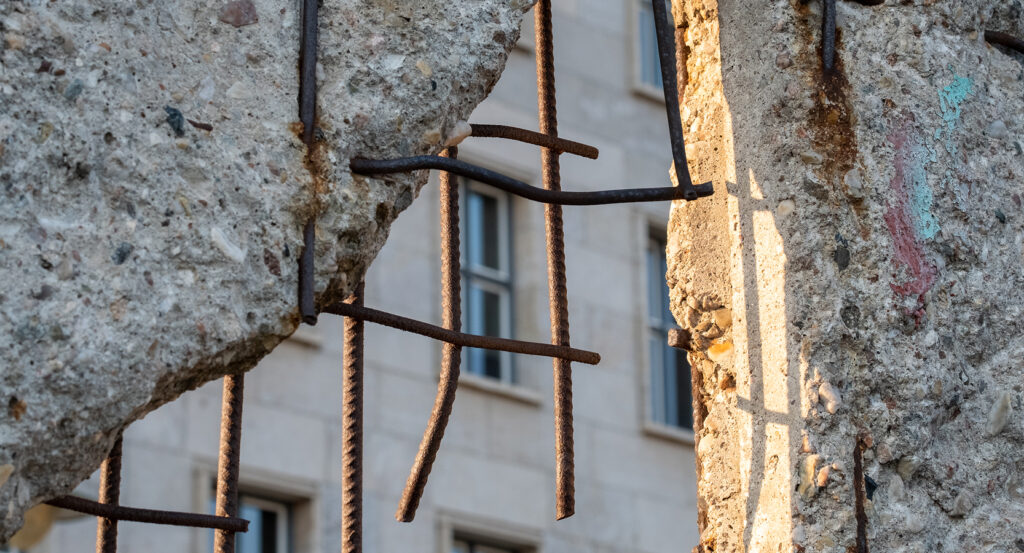
Stretching 1.3 kilometers along the River Spree, this surviving section of the Berlin Wall transforms one of the darkest symbols of division into a living canvas of hope. As you walk its length, you can feel history vibrating beneath the paint, every crack, every brushstroke, a tribute to rebirth. Over a hundred artists from more than twenty countries came together in 1990, just months after the Wall fell, to reclaim this scarred concrete as a space for expression. The result is both haunting and exhilarating: a mirror of color and emotion that captures the collective sigh of a city reunited. Some murals are political, others deeply personal, yet all speak the same universal language, among liberation and human connection. The East Side Gallery doesn't just commemorate the end of an era; it celebrates the beginning of one. It's a masterpiece born not in a studio, but in the open air of history itself.
What defines East Side Gallery.
While millions pass by its murals every year, few realize just how fragile the East Side Gallery's existence truly is.
It stands on the original border strip that once separated East and West Berlin, and many of its panels were painted directly onto weatherworn remnants of the Wall, concrete never meant to survive decades of exposure. Over time, pollution, vandalism, and even urban development threatened the integrity of the artwork, sparking major restoration efforts in 2009 and again in the 2010s. The Gallery's most famous images, Dmitri Vrubel's My God, Help Me to Survive This Deadly Love (depicting the kiss between Brezhnev and Honecker) and Birgit Kinder's Trabant Breaking Through the Wall, have become global icons, reproduced endlessly in postcards and protest posters alike. Yet each mural remains site-specific, inseparable from the wall it reclaims. The East Side Gallery functions as both museum and protest, an open-air reminder that art can be a shield, a scream, and a bridge all at once. It's the longest preserved section of the Berlin Wall, protected today as a historical monument and curated as a living cultural document.
How East Side Gallery fits.
A walk along the East Side Gallery is one of Berlin's most powerful and accessible experiences, part museum visit, part meditation.
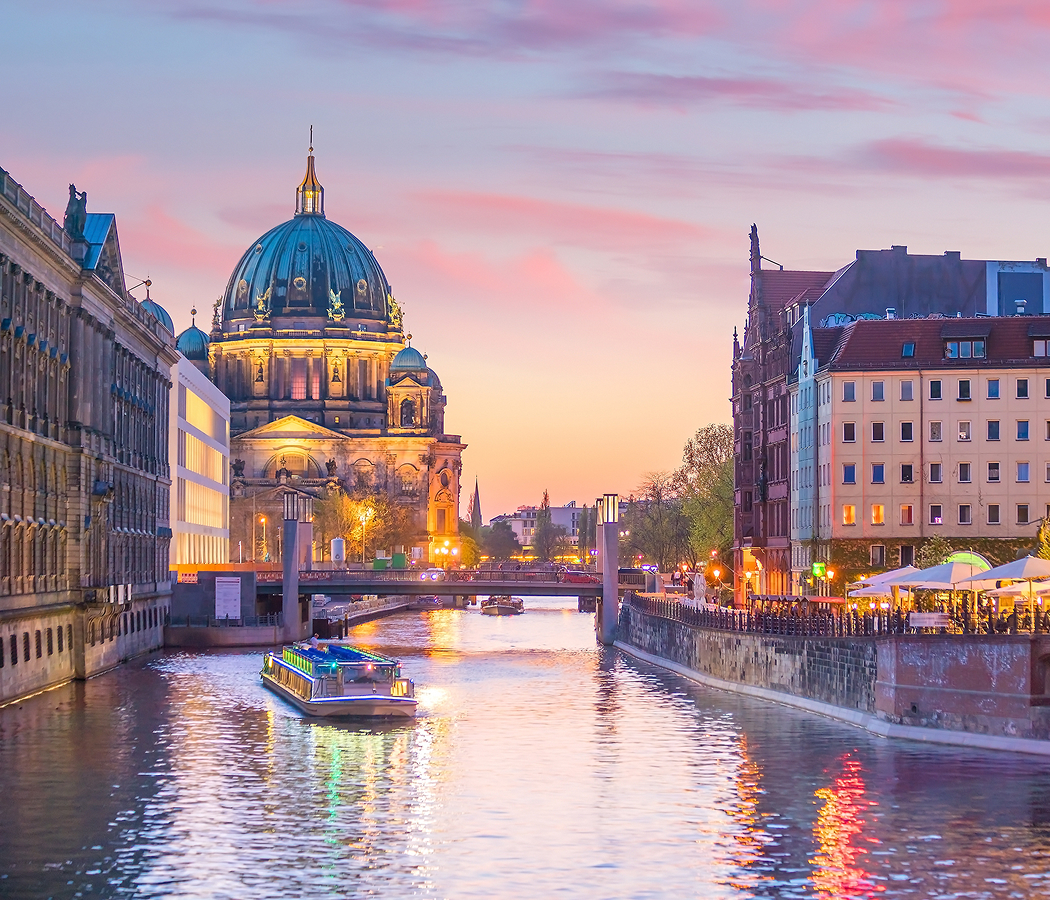
Start at the Oberbaum Bridge, itself a symbol of unity, and move slowly along Mühlenstraße, where each mural tells a fragment of the human story behind the Wall. Go early in the morning for quiet reflection or near sunset when the light deepens the textures of paint and concrete. Take time to pause at the most famous works, but don't rush, the lesser-known pieces often reveal the most surprising resonant depth. Across the river, cafés and viewing platforms offer beautiful vantage points for photos, but the best view remains at eye level, standing inches from the art. End your visit at the East Side Park or the Mercedes Platz nearby, where the rhythm of modern Berlin, music, laughter, nightlife, pulses in direct contrast to the silence this place once held. The East Side Gallery isn't just something to see; it's something to feel, a mile-long heartbeat of freedom painted across the bones of history.
Where your story begins.
Foresyte Travel reveals places that feel extraordinary long before you arrive.
Enjoy editorial crafted for luxury travelers.
Foresyte may earn a commission when you book.