Why you should experience Berjaya Times Square Hotel in Kuala Lumpur, Malaysia.
Berjaya Times Square Hotel is large-scale, vertically integrated city hospitality built around access, momentum, and self-contained convenience, where sheer scale, direct connectivity, and operational breadth allow Kuala Lumpur to be experienced without fragmentation or constant transit friction.
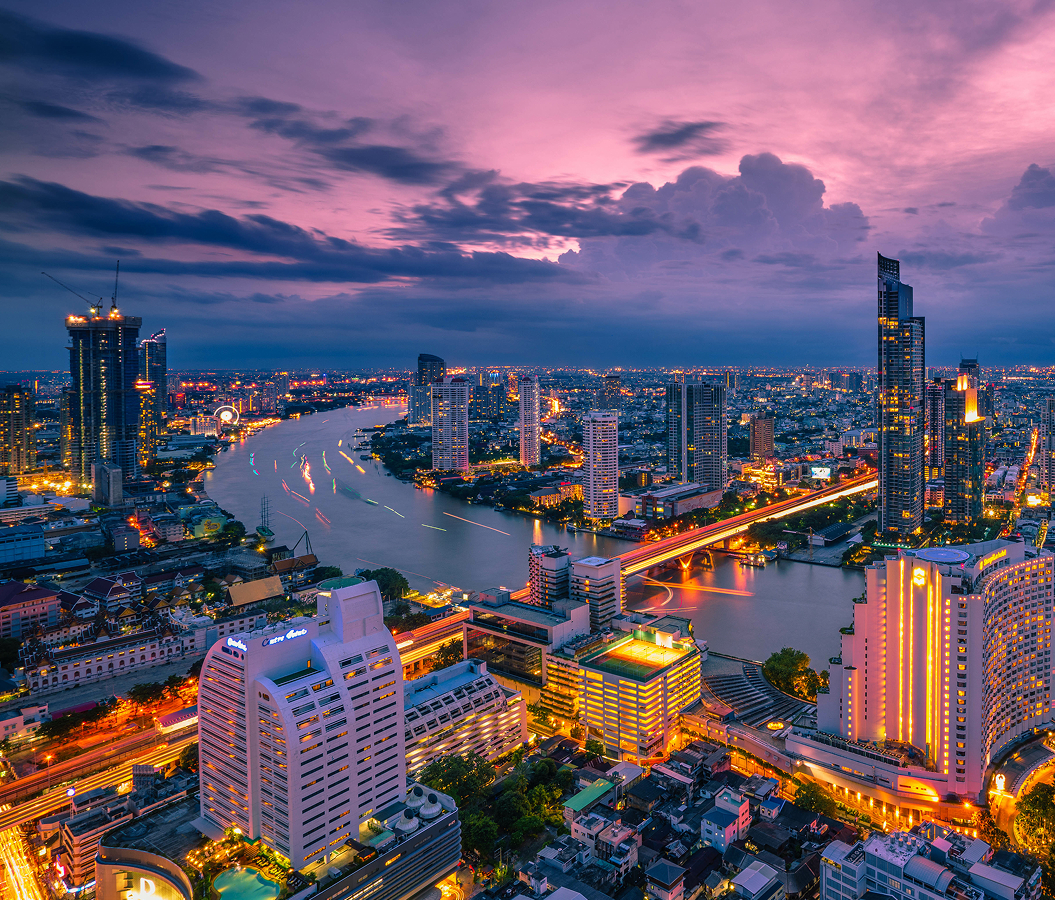
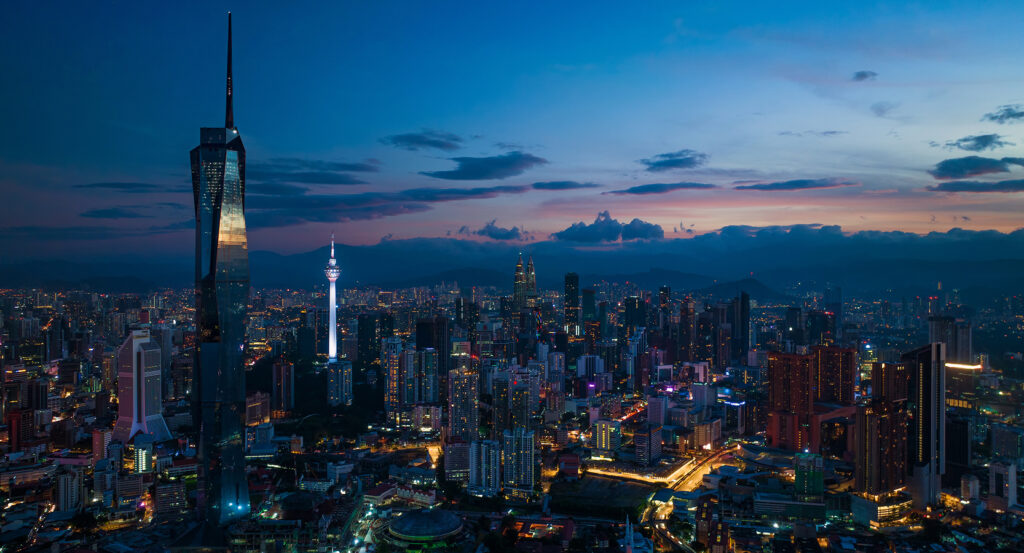
Berjaya Times Square Hotel operates as a city within the city, designed to absorb movement, volume, and variety. Directly connected to one of Kuala Lumpur's largest shopping and entertainment complexes, the hotel places you inside an ecosystem where lodging, dining, retail, transit, and leisure intersect continuously. Arrival immediately communicates scale. The approach is expansive and active, guiding you into a lobby environment that feels busy but organized, international, and unapologetically metropolitan. High ceilings, wide circulation paths, and constant flow create an atmosphere that reflects Kuala Lumpur's density. This is not a hotel that slows the city down. It harnesses it. Public spaces are designed to accommodate large numbers of guests simultaneously, from families and tour groups to business travelers and long-stay visitors. Despite the volume, navigation remains intuitive. The hotel's size is managed through clear zoning and operational structure, allowing guests to move efficiently. Berjaya Times Square Hotel does not attempt to feel exclusive. Its luxury is access, capacity, and the ability to do everything. Guest rooms and suites reinforce this practical, volume-ready philosophy. Rooms are notably spacious, especially by city standards, and designed to accommodate extended stays, families, and high turnover. Layouts clearly separate sleeping, lounging, and working areas, allowing guests to settle in quickly regardless of stay length. Interiors are classic and functional rather than trend-driven, favoring durability, neutral palettes, and familiar furnishings that emphasize comfort over design statement. Beds are generous and reliable, built to support consistent rest even during long or multi-night stays. Seating areas feel genuinely usable, allowing relaxation. Workspaces are present and practical, supporting productivity. Windows offer expansive city views, often overlooking Bukit Bintang, surrounding towers, and the constant movement below, reinforcing the hotel's embedded urban position. Acoustic insulation is effective for a property of this scale, preserving rest despite the surrounding activity. Bathrooms are large and practical, featuring full-sized tubs, walk-in showers, ample counter space, and layouts designed for routine use. Everything in the room is designed to work consistently under heavy use. Dining is one of Berjaya Times Square Hotel's defining strengths. With multiple restaurants, cafés, and immediate access to the adjacent mall's extensive food offerings, guests are never limited by choice or schedule. Breakfast is expansive and energetic, designed to serve high volumes efficiently while offering international and regional options. Throughout the day, dining becomes fluid. Meals can be formal, casual, spontaneous, or purely functional depending on mood and timing. The hotel does not attempt to centralize dining as a single experience. Instead, it offers breadth and redundancy, allowing guests to eat on their own terms.
What you should know about Berjaya Times Square Hotel.
Berjaya Times Square Hotel is engineered as a high-capacity urban node, designed to absorb tourism volume, family travel, and extended stays through scale, redundancy, and direct integration with commercial infrastructure.
The hotel's character is inseparable from the Berjaya Times Square complex itself, among Southeast Asia's largest mixed-use developments. This integration fundamentally shapes guest experience. Rather than treating retail and entertainment as external amenities, the hotel embeds them directly into daily rhythm. This design reduces friction, eliminates transit dependency, and allows guests to operate within a contained environment when desired. Architecturally and operationally, the property is built for endurance. Materials, layouts, and systems are selected to withstand constant use, high turnover, and diverse guest profiles. Rooms are designed to be flexible rather than precious, accommodating solo travelers, families, and groups without modification. Public spaces are sized to manage crowds. This approach attracts a specific guest mix: families, tour groups, regional travelers, long-stay guests, and visitors who prioritize space and convenience over boutique intimacy. Another lesser-known aspect of the hotel is how its size creates choice. Guests can engage deeply with the surrounding complex or treat it as background infrastructure, using the hotel simply as a base. This optionality is rare in dense cities, where staying central often requires constant exposure. Operationally, the hotel relies on layered staffing and systems to maintain consistency across scale. While service may not feel intimate, it is dependable, predictable, and resilient during peak periods. The interiors' classic neutrality is also strategic. By avoiding aggressive design trends, the property remains functional across years. Culturally, the hotel plays a significant role in Kuala Lumpur's tourism ecosystem, acting as a gateway property for visitors who want immediate immersion. In a hospitality landscape increasingly dominated by niche positioning, Berjaya Times Square Hotel stands as a reminder that scale itself can be a form of value when executed with structure and intent.
How to fold Berjaya Times Square Hotel into your trip.
Berjaya Times Square Hotel works as a consolidation base, allowing you to experience the city with minimal logistical effort and maximum flexibility.
Use the hotel as a true hub. Begin mornings with breakfast on property or within the connected complex, then move directly into shopping, entertainment, or transit. Structure days loosely, allowing spontaneous decisions. Midday returns are easy and efficient, making it practical to rest, reset, or regroup. For families and groups, the hotel's connectivity simplifies coordination, allowing members to split off and reconvene effortlessly. For longer stays, the variety of dining and entertainment options prevents routine fatigue, making the environment feel sustainable. Evenings can remain open-ended, whether dining within the complex, exploring Bukit Bintang, or returning early to enjoy space and rest. Pair Berjaya Times Square Hotel with a quieter or more design-focused property elsewhere in your itinerary if you want contrast, but let this stay handle volume, access, and convenience.
Where your story begins.
Foresyte Travel reveals places that feel extraordinary long before you arrive.
Experience premium editorial crafted for luxury travelers.