Why you should experience Bernina Avenue in Atlanta, Georgia.
Bernina Avenue is an intimate corridor where Inman Park's industrial legacy, architectural preservation, neighborhood creativity, and walkable urban character converge along one of Atlanta's most distinctive side streets.
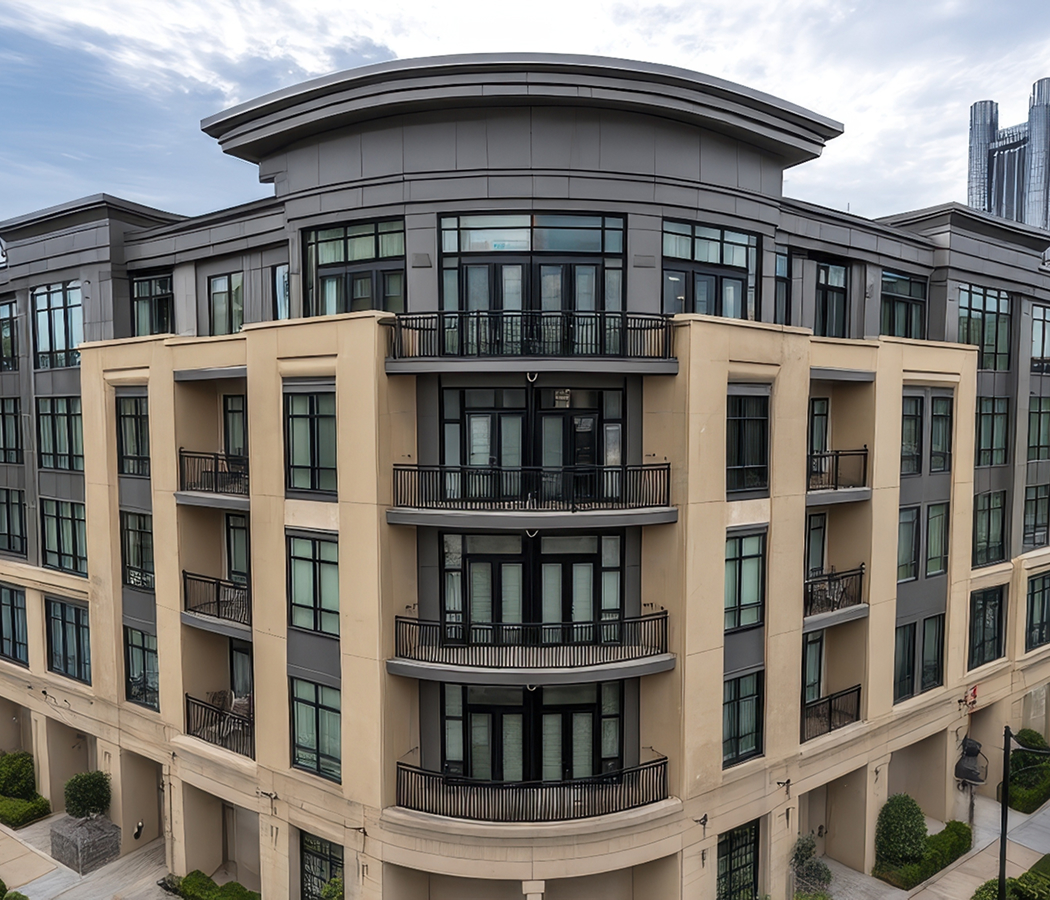
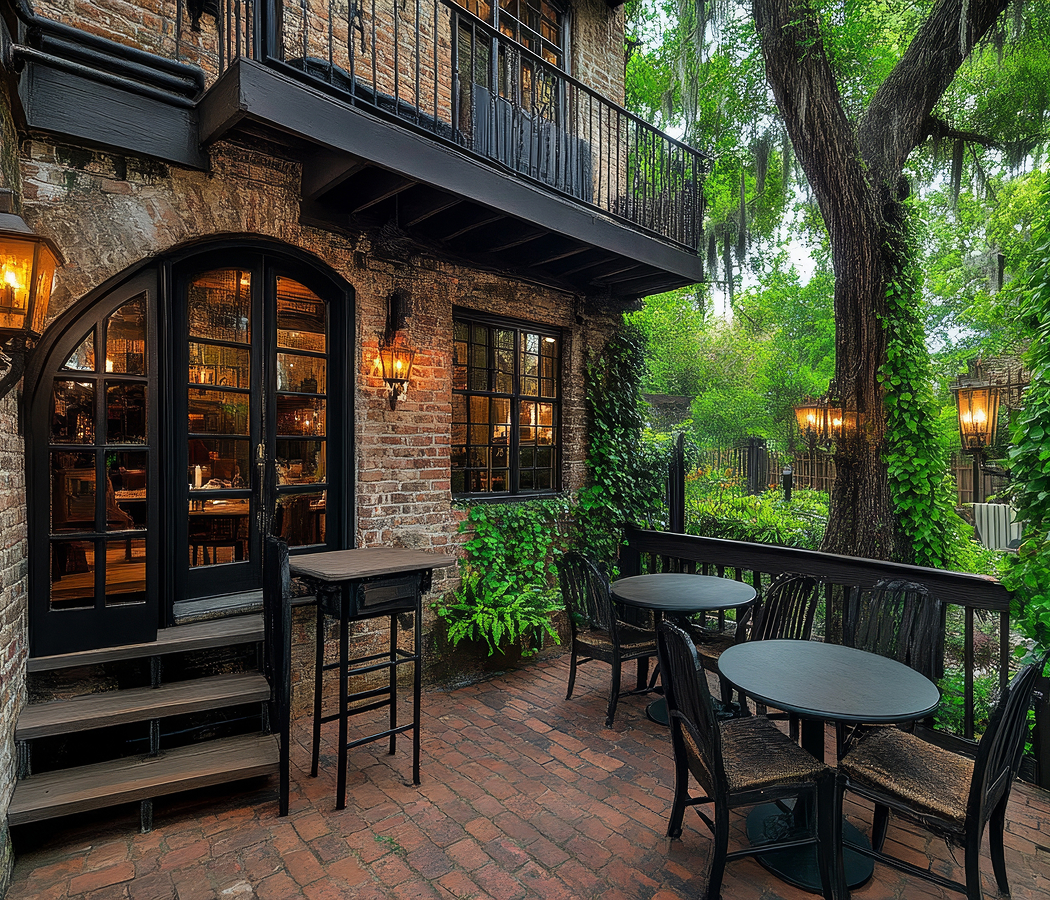
Running through Inman Park between Old Fourth Ward and Poncey-Highland, the corridor connects former industrial buildings, restored lofts, neighborhood businesses, and nearby greenways that collectively reflect the area's transformation from a railroad-served manufacturing district into one of Atlanta's most celebrated urban neighborhoods. Successive blocks reveal how industrial craftsmanship, adaptive rehabilitation, and careful preservation established a compact streetscape that continues balancing historic character with contemporary enterprise. Exposed brick, heavy timber construction, converted warehouses, and mature tree canopies document an environment shaped by more than a century of neighborhood evolution. The result is an experience defined by craftsmanship, continuity, and one of Inman Park's most distinctive corridors.
What you should know about Bernina Avenue.
Bernina Avenue is best known for preserving a concentration of early twentieth-century industrial buildings that developed alongside the railroad infrastructure supporting Inman Park's eastern manufacturing district, where warehouses, service industries, and distribution facilities expanded as Atlanta emerged as the commercial center of the Southeast. Construction during the 1910s and 1920s introduced brick masonry walls, heavy timber framing, steel industrial sash windows, expansive open floor plates, and loading entrances engineered for freight handling before many of the buildings were later converted into residential and commercial lofts. Surviving structures retain exposed structural systems and original industrial detailing that demonstrate the construction methods used throughout Atlanta's warehouse districts during the city's principal manufacturing era. Late twentieth-century rehabilitation preserved these historic buildings while adapting them for contemporary occupancy, reinforcing Inman Park's reputation as one of Atlanta's earliest large-scale examples of industrial preservation and urban reinvestment. Collectively, the railroad economy, early warehouse construction, heavy timber engineering, masonry craftsmanship, and adaptive rehabilitation established Bernina Avenue as a distinctive historic corridor within Inman Park.
Continued private investment has maintained original brick façades, steel window openings, exposed wood framing, and historic industrial proportions while allowing new residential and creative commercial uses to occupy buildings constructed for manufacturing and distribution. Compact block dimensions, pedestrian-oriented circulation, and close proximity to Atlanta's evolving trail network have strengthened neighborhood connectivity without substantially altering the corridor's historic physical character. Successive generations of preservation have demonstrated how durable industrial construction, careful rehabilitation, and compatible infill can extend the functional life of century-old warehouse architecture while retaining the corridor's original identity. Ultimately the combined influence of industrial engineering, architectural conservation, neighborhood reinvestment, and adaptive design demonstrates how Bernina Avenue continues expressing Inman Park's enduring evolution.
How to fold Bernina Avenue into your trip.
Bernina Avenue works as an exploration of Inman Park's industrial heritage, neighborhood culture, and architectural preservation.
Begin at Krog Street Market, where a thoughtfully restored industrial complex introduces the manufacturing legacy that shaped the surrounding district before naturally leading toward Bernina Avenue. Continue to Atlanta BeltLine Eastside Trail, where the converted rail corridor extends the experience through one of Atlanta's defining public spaces while revealing the neighborhood's continuing urban evolution. Conclude at Jimmy Carter Presidential Library and Museum, where nationally significant exhibits provide a broader historical perspective that complements the corridor's story of preservation and reinvention. The progression moves naturally from industrial preservation to transportation heritage before concluding with national history, revealing why Bernina Avenue remains a distinctive expression of Inman Park.
Where your story begins.
Foresyte Travel reveals places that feel extraordinary long before you arrive.
Experience premium editorial crafted for luxury travelers.