Why Brickell Avenue matters.
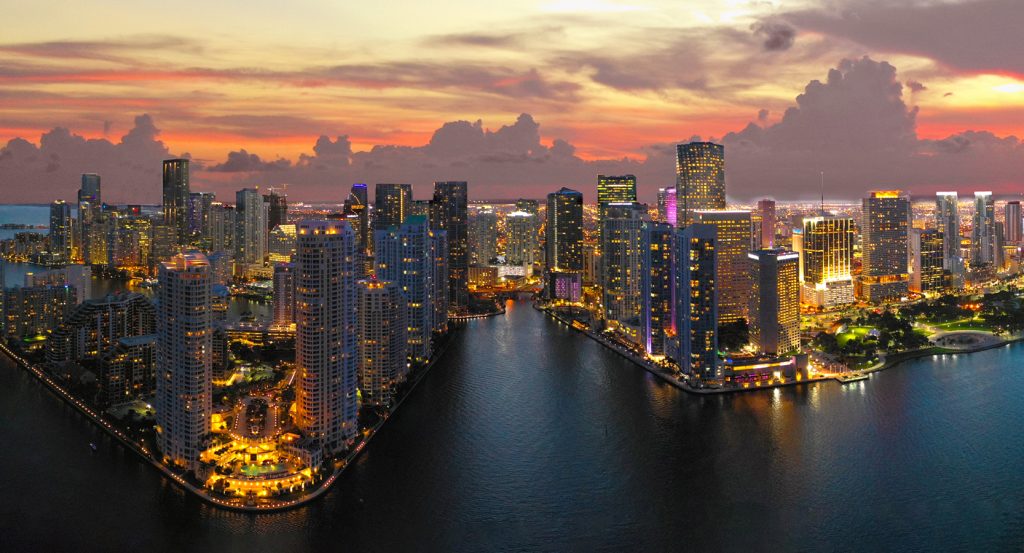
Brickell Avenue is a distinguished corridor where Brickell's waterfront skyline, financial prominence, architectural ambition, and tropical landscape continue defining one of Miami's most influential urban streets.
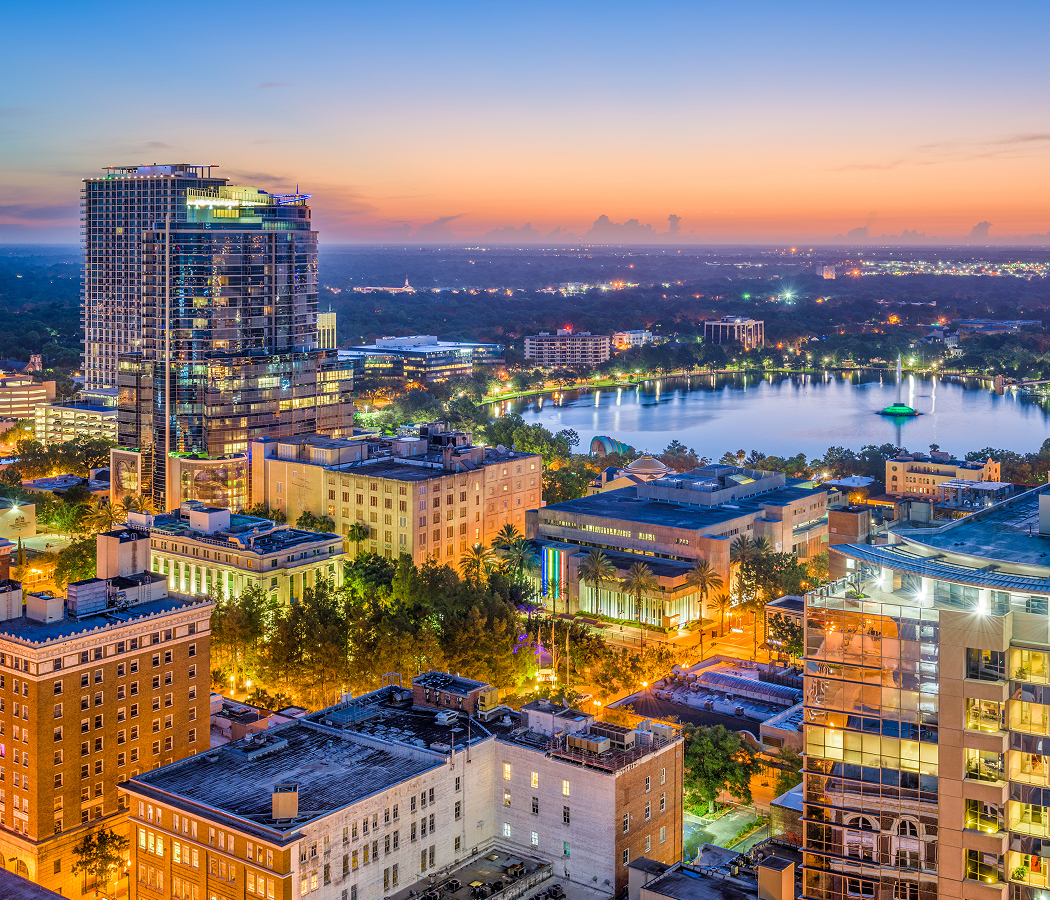
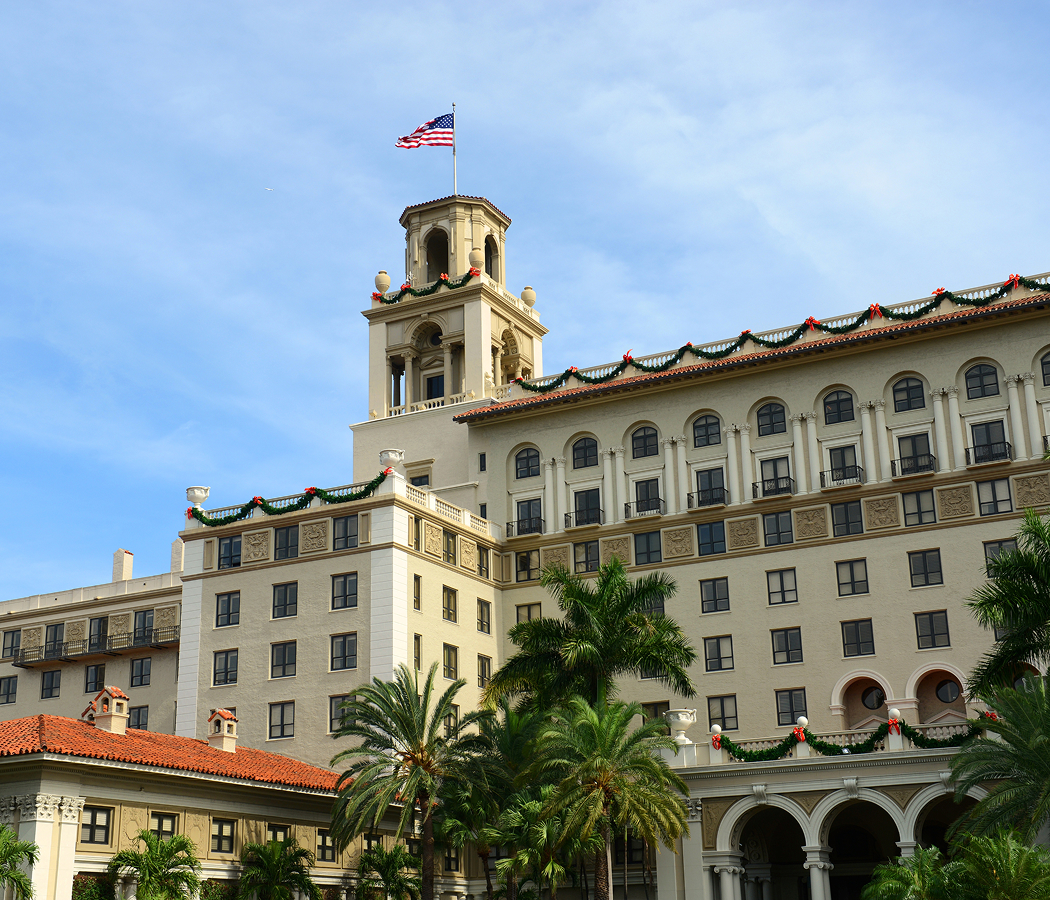
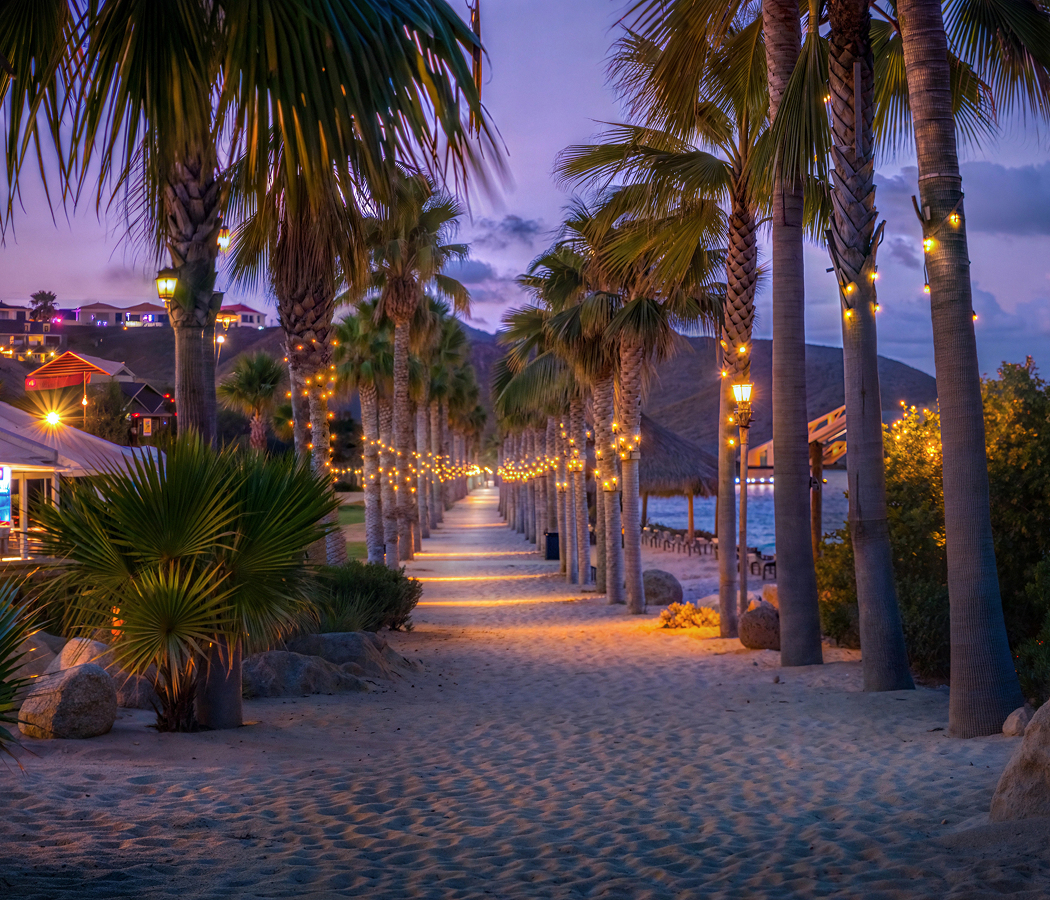
Running through Brickell between the Miami River and Coconut Grove, the corridor follows Biscayne Bay while connecting architect-designed office towers, residential skyscrapers, luxury hotels, landscaped promenades, and palm-lined sidewalks that collectively reflect Miami's emergence as an international center for finance, commerce, and design. Contemporary glass towers, carefully composed public spaces, expansive bay views, and mature royal palms create a streetscape where architectural innovation and the coastal environment remain closely intertwined. Throughout the corridor, thoughtfully planned developments, inviting pedestrian spaces, and flourishing subtropical vegetation reinforce an environment shaped through decades of investment, engineering, and urban planning. The result is an experience defined by waterfront sophistication, architectural excellence, and one of Miami's most recognizable corridors.
What defines Brickell Avenue.
Brickell Avenue is best known as the historic spine of Brickell, where the estate of William and Mary Brickell laid the foundation for Miami's southern expansion before the district evolved into one of the Western Hemisphere's foremost concentrations of international banking, finance, and corporate headquarters. The corridor experienced successive waves of development beginning in the early twentieth century and accelerating after the 1970s, producing a skyline that documents the evolution of reinforced concrete engineering, curtain-wall construction, and high-density urban planning across multiple architectural eras. Architects including César Pelli, Bernardo Fort-Brescia, Luis Revuelta, Arquitectonica, Kohn Pedersen Fox, and Nichols Architects shaped the surrounding cityscape through sculptural tower forms, recessed balconies, low-emissivity glazing, hurricane-resistant structural systems, and climate-responsive façades adapted to South Florida's coastal environment. Biscayne Bay bordering the corridor supports mangrove shorelines, seagrass communities, bottlenose dolphins, West Indian manatees, brown pelicans, double-crested cormorants, and numerous migratory shorebirds that contribute to the ecological diversity visible from the waterfront. Royal palms, sabal palms, gumbo limbo, green buttonwood, live oaks, and flowering tropical species strengthen the boulevard's subtropical character while softening its dense urban skyline.
Brickell Avenue's transportation network integrates Metrorail, Metromover, bicycle infrastructure, widened sidewalks, and coordinated streetscape improvements that reinforce efficient movement throughout Miami's urban core while encouraging pedestrian connectivity. Contemporary construction surrounding the corridor incorporates elevated foundations, impact-resistant glazing, advanced wind engineering, stormwater management systems, and resilient structural design that respond to hurricanes, tidal flooding, and long-term coastal conditions. Limestone cladding, polished granite, architectural concrete, stainless steel, aluminum framing, and high-performance glass incorporated throughout neighboring buildings demonstrate the durable material palette that continues defining Brickell Avenue's architectural identity. Together, these planning strategies, engineering innovations, and enduring construction practices deepen the historical narrative established by Brickell Avenue, demonstrating why the corridor remains a defining expression of modern Miami.
How Brickell Avenue fits.
Brickell Avenue works as a waterfront exploration of Miami's architecture, public spaces, and coastal setting.
Begin at Simpson Park, where one of Miami's last remaining tropical hardwood hammocks introduces the native landscape that existed long before the surrounding skyline emerged, creating a compelling starting point before following Brickell Avenue north. Continue to Brickell City Centre, whose climate-responsive architecture, contemporary public spaces, and innovative urban design broaden the appreciation for the district's continuing architectural evolution. Conclude at Bayfront Park, where expansive waterfront promenades, mature palms, public art, and sweeping Biscayne Bay views provide the culminating reward by revealing the enduring relationship between Miami's urban core and its shoreline. The progression moves naturally from native ecology through contemporary architectural innovation before concluding beside Biscayne Bay, revealing how Brickell Avenue connects Miami's natural landscape, engineering achievement, and waterfront identity.
Where your story begins.
Foresyte Travel reveals places that feel extraordinary long before you arrive.
Enjoy editorial crafted for luxury travelers.
Foresyte may earn a commission when you book.