Why Chippewa Square matters.
Chippewa Square is Savannah's cinematic slice of Southern grace, where history, beauty, and legend converge beneath sweeping canopies of Spanish moss.
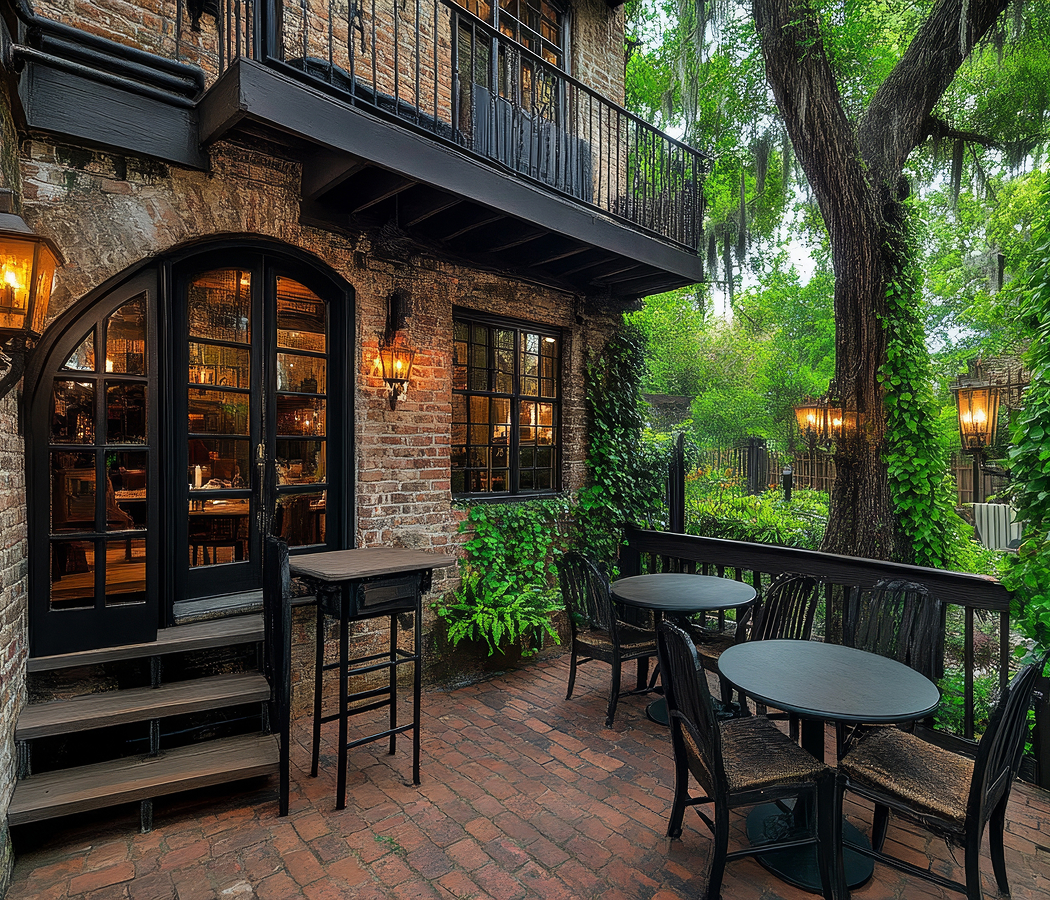
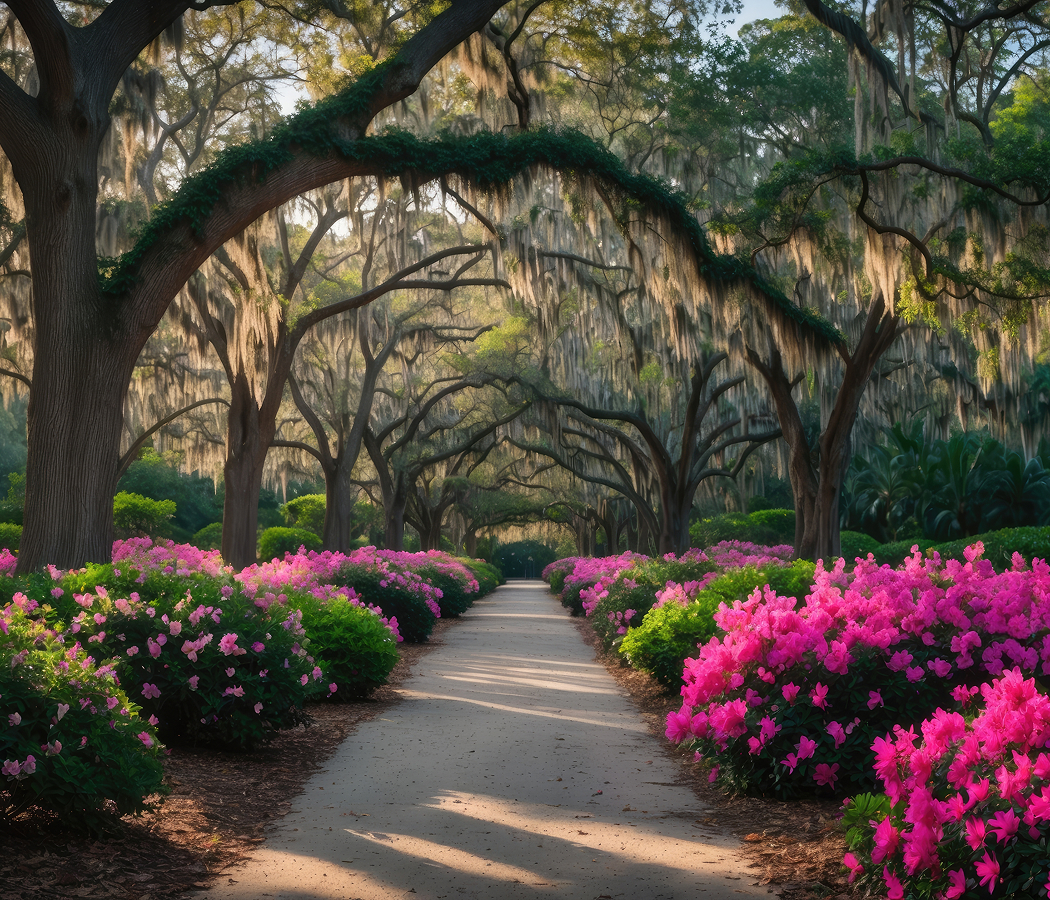
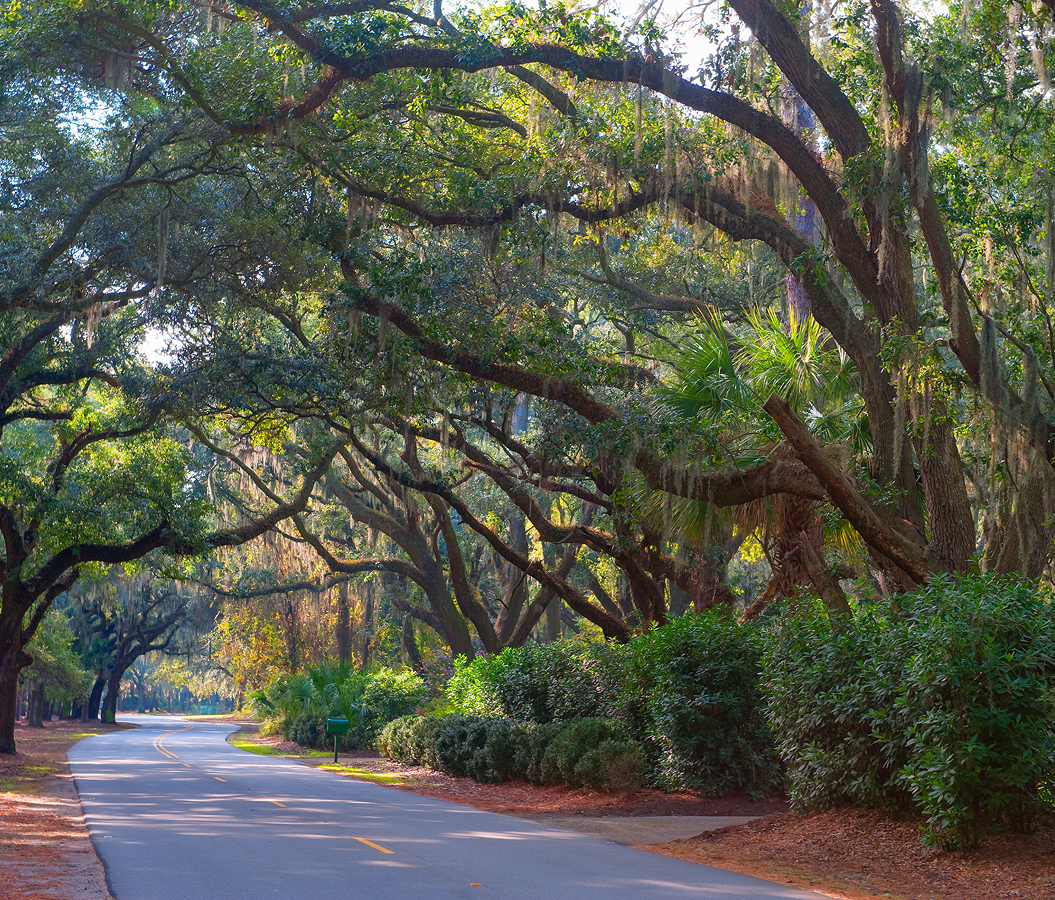
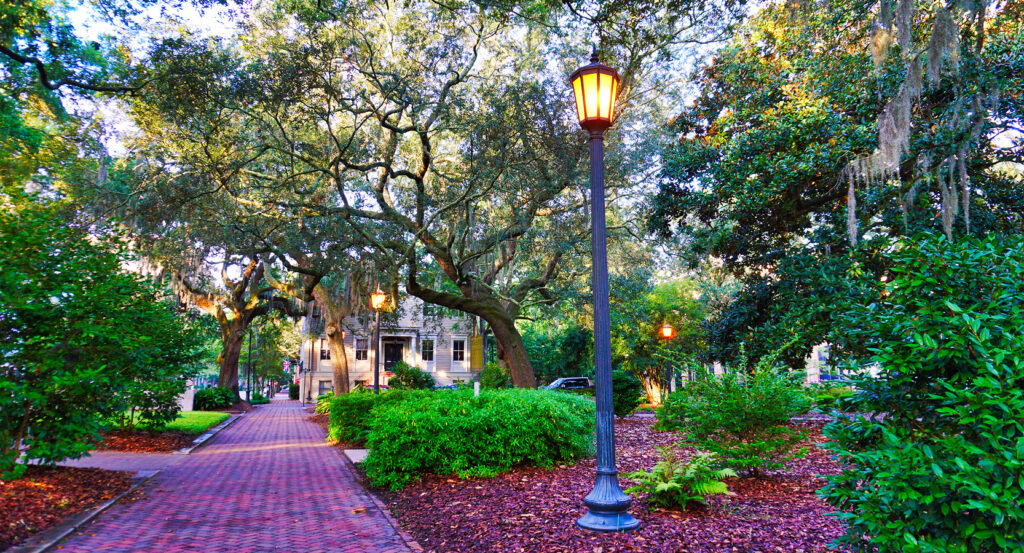
Laid out in 1815, Chippewa Square captures the city's timeless balance between elegance and accessibility. It's surrounded by centuries-old architecture, shaded by ancient live oaks, and anchored by a bronze statue of General James Oglethorpe - Savannah's founder, facing south toward the direction of Spanish Florida, as if still guarding the city he envisioned. But for many visitors, the square carries another kind of fame: it's where Forrest Gump delivered his iconic line, “Life is like a box of chocolates.” Though the bench itself was a movie prop, the setting is pure Savannah, intimate, tree-lined, and steeped in charm. Around it, brick walkways meander between gardens and monuments, and carriages clop gently past as sunlight filters through the moss. The air feels still but alive, as if the square itself has been holding its breath for centuries. Chippewa Square isn't just photogenic, it's soulful, a place where time feels slowed by history's whisper.
What defines Chippewa Square.
Behind its quiet perfection lies a story of victory, artistry, and civic pride that helped shape Savannah's identity.
Named to commemorate the Battle of Chippewa, a decisive American victory in the War of 1812, the square honors both the courage of that moment and the enduring spirit of independence. Its centerpiece, the Oglethorpe Monument, was erected in 1910 and designed by sculptor Daniel Chester French, the same artist behind the Lincoln Memorial in Washington, D.C. The base was crafted by renowned architect Henry Bacon, making it a rare collaboration between two American masters. Surrounding the monument are some of Savannah's most beloved landmarks: the Savannah Theatre, among the oldest continuously operating theaters in the U.S.; the historic First Baptist Church; and the ornate Foley House Inn, rumored to have its own ghostly tales. The square's layout, with Oglethorpe placed at the center rather than along an edge, reflects a subtle evolution of Savannah's original design, a gesture toward symmetry and ceremony that became standard in later squares. Chippewa Square's beauty lies not only in its stillness but in what it symbolizes: bravery remembered, artistry immortalized, and a city that has always found balance between reverence and renewal.
How Chippewa Square fits.
To experience Chippewa Square is to step directly into Savannah's storybook, a perfect blend of atmosphere, architecture, and storytelling.
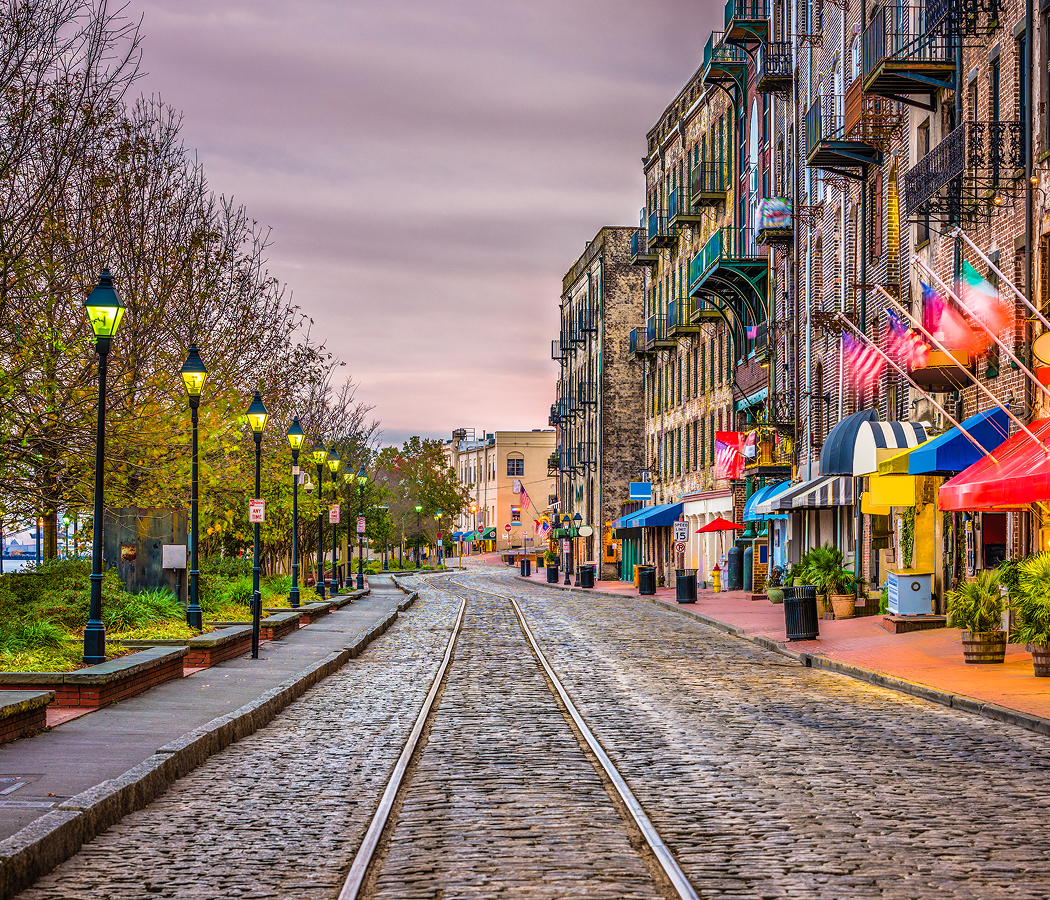
Arrive in the early morning when the light is soft and the oaks cast long shadows across the red-brick paths. Sit on a bench (where the Forrest Gump scene was filmed) and listen to the rustle of moss and the rhythm of footsteps passing through history. Wander around the perimeter to admire the square's surrounding gems, pop into the Savannah Theatre for a live show, explore nearby cafés and boutiques, or linger outside the stately homes that frame the square with Georgian symmetry. Come back at twilight, when the lamplight glows amber through the trees and the air hums with the faint sound of street musicians from a few blocks away. If you're tracing Savannah's iconic squares, make this one your pause, a moment to rest and reflect amid the poetry of place. Chippewa Square in Savannah isn't just where history happened; it's where it continues to unfold, quietly and gracefully, under the same timeless canopy.
Where your story begins.
Foresyte Travel reveals places that feel extraordinary long before you arrive.
Enjoy editorial crafted for luxury travelers.
Foresyte may earn a commission when you book.