Why Clifton Road matters.
Clifton Road is an influential corridor where Druid Hills' academic leadership, medical innovation, landscape design, and scientific discovery converge within one of the nation's foremost education and healthcare districts.
Running through Druid Hills between Virginia-Highland and North Druid Hills, the corridor connects university campuses, internationally recognized research institutions, leading healthcare centers, and historic residential landscapes that collectively reflect more than a century of intellectual and institutional growth. Successive stretches reveal how visionary campus planning, medical research, and landscape-sensitive development established a streetscape that continues shaping Atlanta's global reputation in higher education and biomedical science. Mature hardwood canopies, Collegiate Gothic architecture, contemporary research facilities, and carefully preserved parkways document an environment where scholarship and natural landscapes remain closely intertwined. The result is an experience defined by discovery, distinction, and one of Atlanta's most consequential institutional corridors.
What defines Clifton Road.
Clifton Road is best known for anchoring Atlanta's internationally recognized Clifton Corridor, whose institutional concentration developed after Emory University, founded in 1836 in Oxford, Georgia, relocated its principal campus to Druid Hills in 1915 following a $1 million endowment from Asa G. Candler, founder of The Coca-Cola Company. The corridor subsequently became home to the Centers for Disease Control and Prevention (CDC), established in 1946 as the Communicable Disease Center, whose headquarters evolved into one of the world's leading public health institutions overseeing infectious disease surveillance, epidemiology, and global health research. Expansion of Emory University Hospital, Children's Healthcare of Atlanta, Winship Cancer Institute, Yerkes National Primate Research Center, and the Rollins School of Public Health transformed the district into one of the nation's foremost concentrations of academic medicine, biomedical research, and clinical care. Institutional architecture spans Collegiate Gothic academic buildings, mid-century research laboratories, advanced medical facilities, reinforced concrete hospital towers, and highly specialized laboratory infrastructure designed to support genomics, neuroscience, infectious disease, oncology, and translational medicine. Collectively, the relocation of Emory University, Asa Candler's philanthropy, establishment of the CDC, expansion of internationally recognized medical institutions, and continued scientific investment established Clifton Road as one of the United States' most significant academic and biomedical corridors.
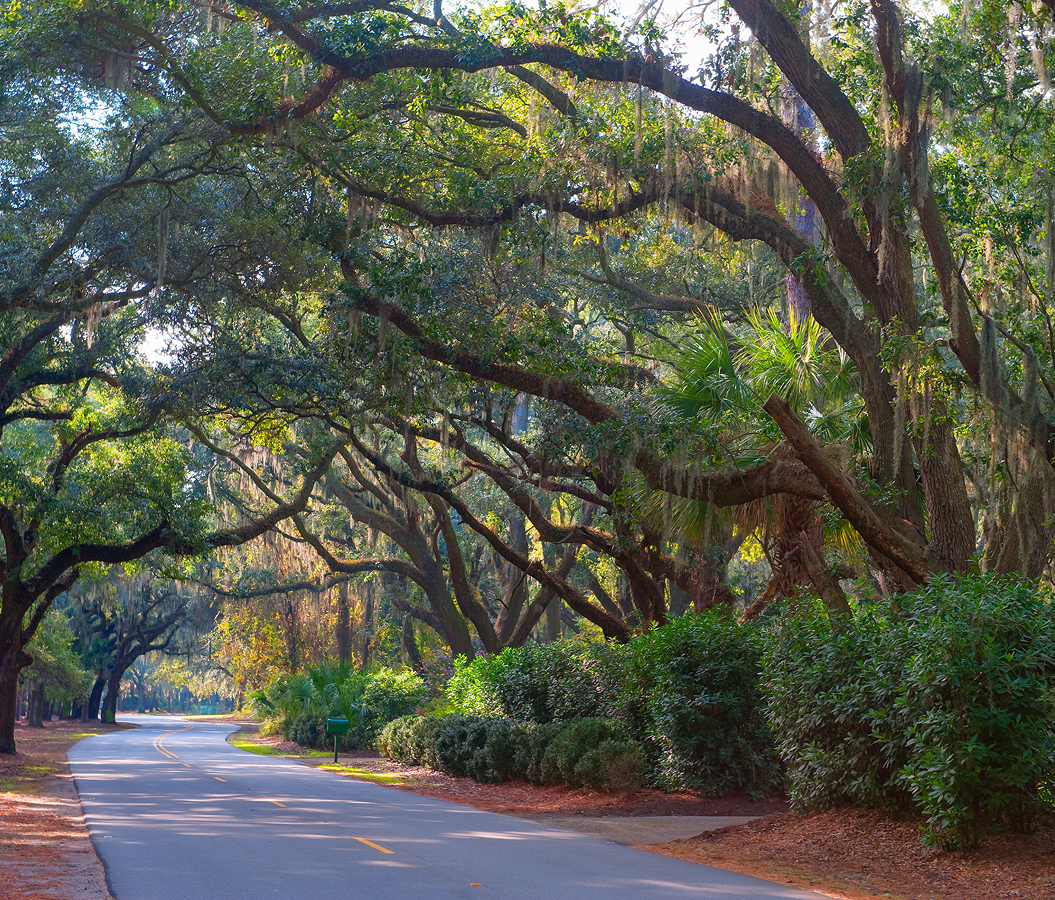
Scientific collaboration across universities, hospitals, federal agencies, and independent research organizations has produced internationally influential advances in vaccine development, epidemiology, neuroscience, cancer treatment, infectious disease control, and biomedical engineering while reinforcing the corridor's global research reputation. The historic landscape originally envisioned within Frederick Law Olmsted's broader Druid Hills plan continues preserving mature hardwood forests, curvilinear roadway geometry, native stone retaining walls, and carefully integrated institutional campuses that respect the area's natural topography. Continued investment in advanced laboratories, clinical facilities, pedestrian infrastructure, and collaborative research environments demonstrates how successive generations have expanded scientific capacity while preserving the corridor's distinctive landscape character. Ultimately the combined influence of higher education, public health leadership, medical innovation, and landscape stewardship demonstrates how Clifton Road continues expressing one of America's most important centers of research and discovery.
How Clifton Road fits.
Clifton Road works as an exploration of Atlanta's academic excellence, scientific achievement, and historic landscapes.
Begin at Lullwater Preserve, where wooded trails, historic bridges, and protected landscapes introduce the environmental vision that shaped Druid Hills before naturally leading toward the surrounding institutional campuses. Continue to Michael C. Carlos Museum, where internationally significant collections deepen appreciation for Emory University's cultural and scholarly legacy while extending the experience through one of Atlanta's foremost academic destinations. Conclude at Fernbank Museum of Natural History, where world-class scientific exhibitions and surrounding old-growth woodland provide a fitting finale celebrating the spirit of research and discovery that continues defining the Clifton Road corridor. The progression moves naturally from preserved landscape to academic scholarship before concluding with scientific exploration, revealing why Clifton Road remains the intellectual heart of Druid Hills.
Where your story begins.
Foresyte Travel reveals places that feel extraordinary long before you arrive.
Enjoy editorial crafted for luxury travelers.
Foresyte may earn a commission when you book.