Why Colonial Park Cemetery matters.
Colonial Park Cemetery is Savannah's oldest storyteller, whispering centuries of history beneath the shade of moss-draped oaks.
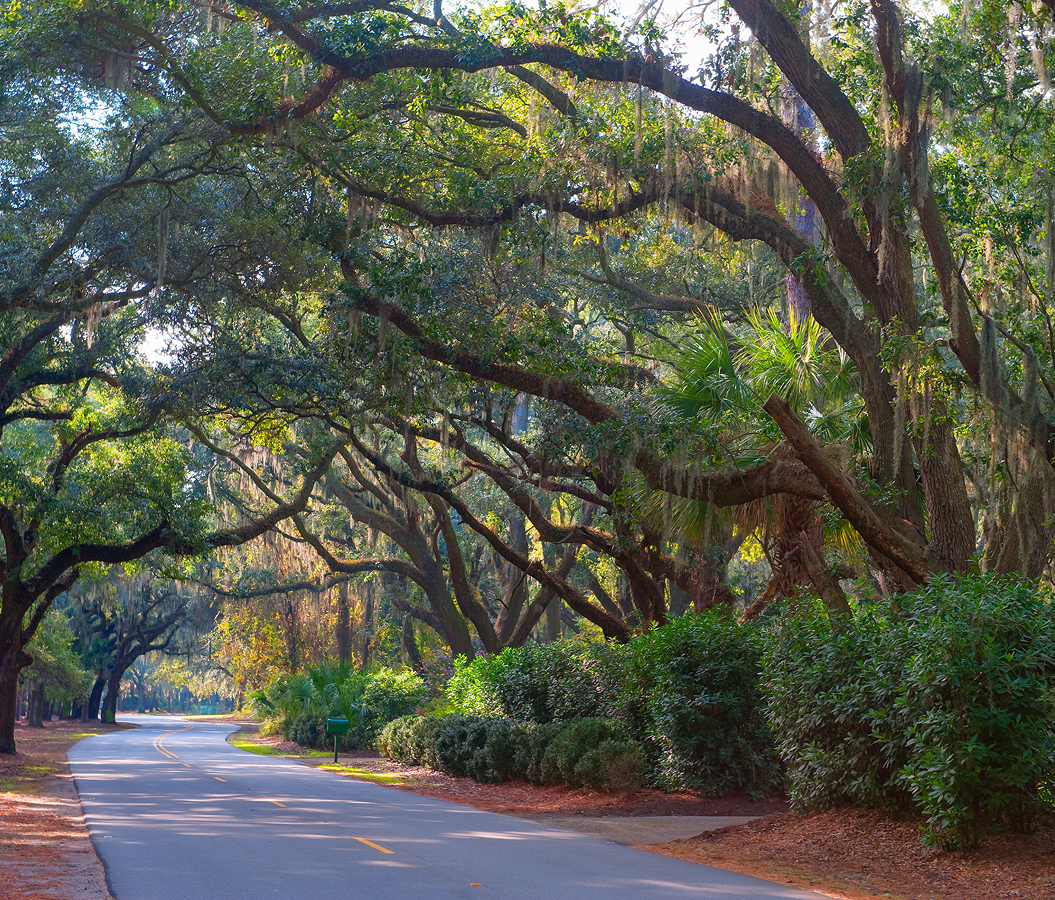
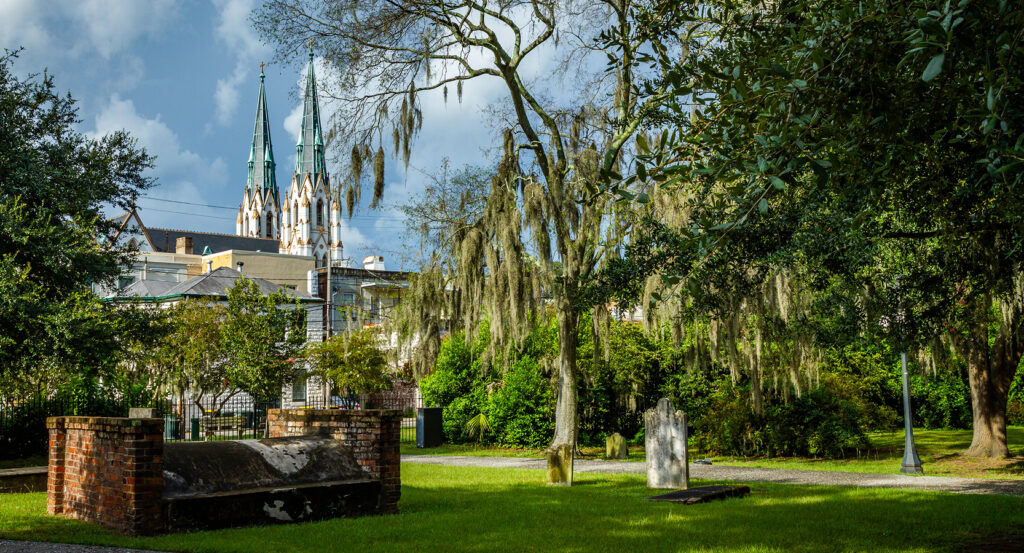
Established in 1750, this six-acre cemetery sits quietly in the heart of the Historic District, surrounded by wrought-iron gates and the echo of passing carriage wheels. Within its walls rest over 9,000 souls, early settlers, soldiers, politicians, and families who built the foundations of Georgia's oldest city. Yet the cemetery feels anything but solemn. The light filters gently through branches, scattering over leaning tombstones and cracked vaults that carry both beauty and melancholy. Many of the inscriptions are fading, but the stories endure, tales of epidemics, duels, revolutions, and resilience. Colonial Park isn't polished or perfect; it's raw history preserved in moss and marble, a space where time lingers just long enough for you to feel it breathe. Walk through its gates, and you step not into a place of death, but into the living pulse of Savannah's memory.
What defines Colonial Park Cemetery.
Behind its tranquil facade lies one of the richest, and eeriest, chapters of Savannah's past.
Originally founded as the city's official burial ground, Colonial Park served as the resting place for generations through the Revolutionary War and the yellow fever epidemics of the early 19th century. When General Sherman's troops occupied Savannah in 1864, legend says his soldiers camped among the tombs, altering dates and epitaphs, some of which still bear their mischief. The cemetery was closed to new burials in 1853, but it remained a central part of the city's lore, inspiring ghost stories and folklore that continue to draw visitors today. Among its most notable interments are Button Gwinnett, a signer of the Declaration of Independence, and scores of Revolutionary soldiers whose graves now lie unmarked. Despite its age, the cemetery has survived hurricanes, war, and neglect, its restoration by local preservationists ensuring that its past remains visible and respected. More than a collection of headstones, Colonial Park is a map of Savannah's soul, each plot a story, each crack in the stone a breath of history.
How Colonial Park Cemetery fits.
To truly experience Colonial Park, walk it slowly, not as a tourist attraction, but as a living museum beneath open sky.
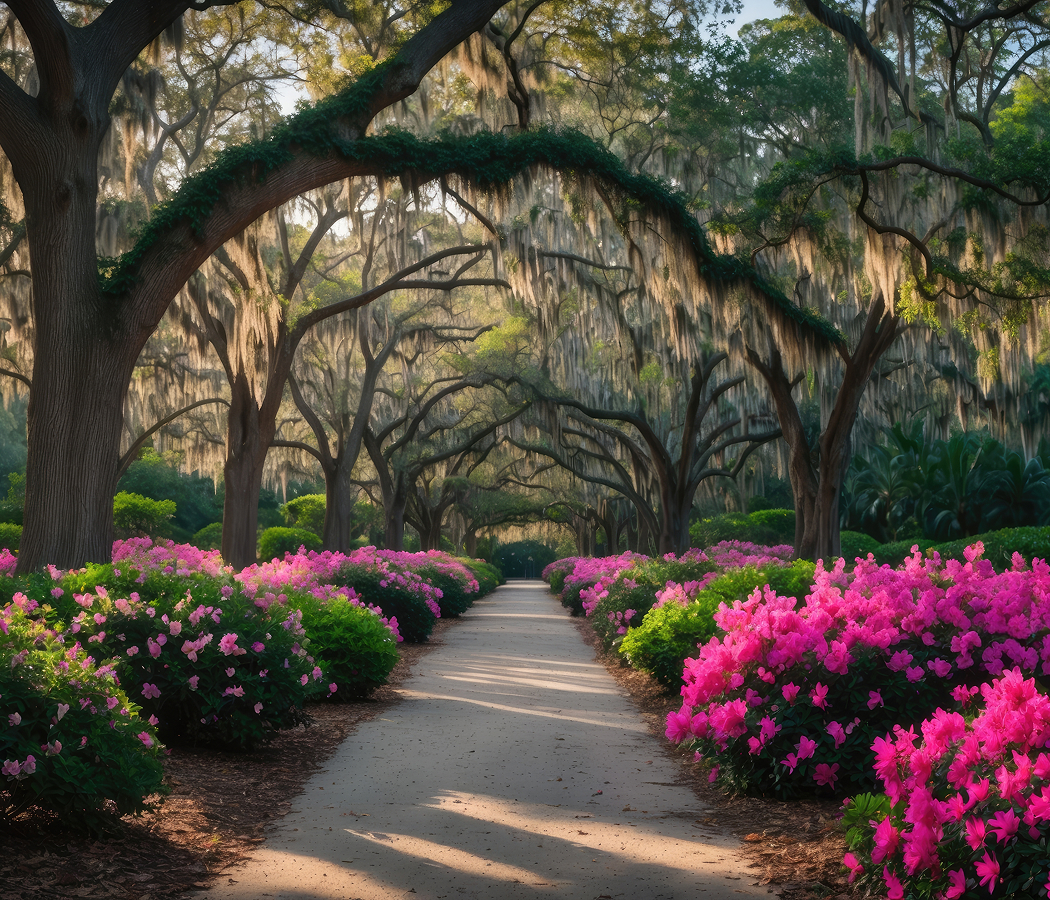
Enter through the main gates at Abercorn Street, where the city's hum fades into a hush of rustling leaves and birdsong. Follow the brick paths past the crumbling tombs and family vaults, pausing at the older markers near the back wall where time and moss have softened their edges. Visit early in the morning, when mist still hangs low and the light turns the marble golden, or at twilight, when the cemetery's atmosphere takes on an otherworldly stillness. Read the epitaphs, many written in verse, and let their words carry you into the 18th century. Guided walking tours add layers of storytelling, weaving tales of duels, epidemics, and lost love that animate the space beyond its stones. Step outside afterward and linger by the iron fence, watching life flow past on Oglethorpe Avenue. Colonial Park Cemetery isn't a relic, it's Savannah's eternal companion, holding the heart of a city that never forgets.
Where your story begins.
Foresyte Travel reveals places that feel extraordinary long before you arrive.
Enjoy editorial crafted for luxury travelers.
Foresyte may earn a commission when you book.