Why Commodore Plaza matters.
Commodore Plaza is an elegant corridor where Coral Gables' Mediterranean vision, village atmosphere, cultural sophistication, and pedestrian character continue defining one of the city's most inviting commercial streets.
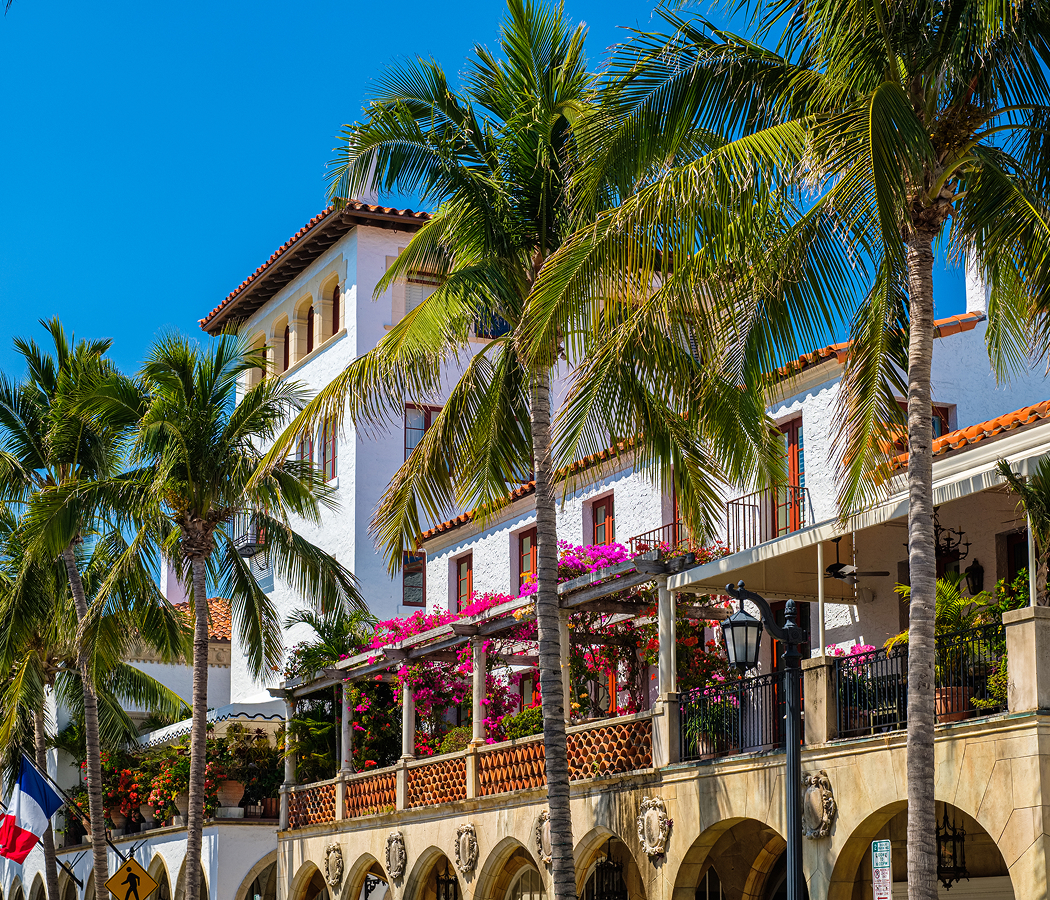
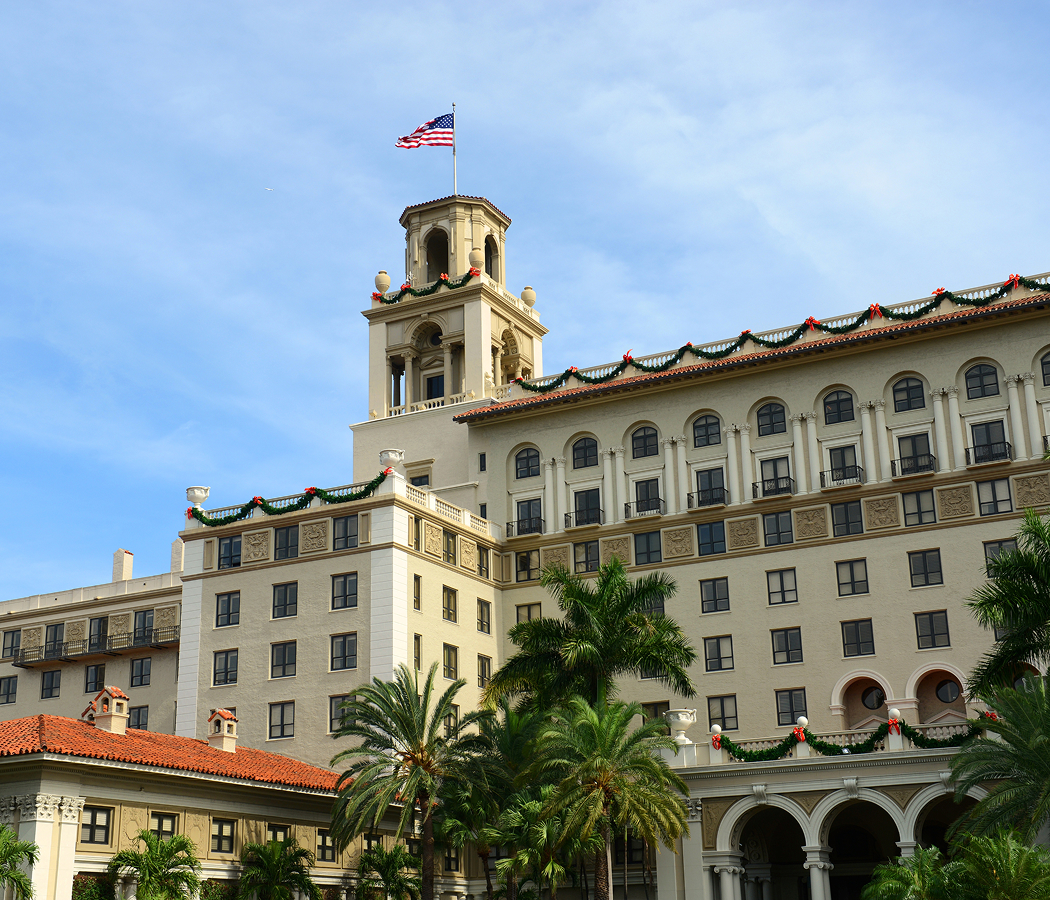
Running through Downtown Coral Gables between the Central Business District and Douglas, the corridor links Mediterranean Revival storefronts, boutique retailers, celebrated restaurants, shaded sidewalks, and mature live oaks that collectively reflect George Merrick's vision for a walkable garden city. Arcaded façades, ornamental courtyards, coral rock detailing, and carefully maintained streetscapes create an environment where architecture and commerce remain closely intertwined. Throughout the corridor, preserved buildings, flourishing local businesses, and thoughtfully landscaped public spaces reinforce a setting whose character has matured through careful planning and long-term stewardship. The result is an experience defined by architectural refinement, energetic street life, and one of Coral Gables' most engaging corridors.
What defines Commodore Plaza.
Commodore Plaza is best known as one of the principal commercial streets envisioned during the founding of Coral Gables in 1925, when developer George E. Merrick established the city according to City Beautiful planning principles emphasizing Mediterranean architecture, generous boulevards, and coordinated civic design. Construction surrounding the corridor produced an enduring collection of Mediterranean Revival commercial buildings distinguished by arcades, stucco façades, clay barrel tile roofs, wrought-iron balconies, ornamental towers, and hand-carved coral rock detailing that established Coral Gables' distinctive architectural identity. Architects including Phineas Paist, H. George Fink, Walter De Garmo, and Denman Fink contributed to the surrounding built environment through carefully proportioned façades, landscaped courtyards, decorative fountains, and harmonious streetscapes that reflected Merrick's comprehensive planning philosophy. Broad sidewalks, coordinated building setbacks, landscaped medians, and an interconnected street network reinforced a pedestrian-oriented commercial district decades before similar planning approaches became widely adopted elsewhere in South Florida. Live oaks, mahogany, royal poinciana, gumbo limbo, sabal palms, and flowering bougainvillea continue strengthening the lush urban canopy that distinguishes Commodore Plaza throughout the year.
The Coral Gables Register of Historic Places continues recognizing numerous contributing buildings surrounding the corridor while reinforcing architectural standards that preserve the city's original planning vision. Miracle Mile's commercial success encouraged complementary development along adjoining streets, allowing Commodore Plaza to evolve as an integral component of Downtown Coral Gables while maintaining its own architectural rhythm and neighborhood scale. Oolitic limestone, coral rock, decorative stucco, hand-forged wrought iron, clay roof tile, and original wood detailing incorporated throughout surrounding historic buildings demonstrate the regional craftsmanship and durable materials that continue defining this section of Coral Gables. Together, these preservation initiatives, planning principles, and enduring construction traditions deepen the historical narrative established by Commodore Plaza, demonstrating why the corridor remains an enduring expression of George Merrick's original vision.
How Commodore Plaza fits.
Commodore Plaza works as an exploration of Coral Gables' architecture, public spaces, and cultural character.
Begin at Coral Gables Museum, where thoughtfully curated exhibitions, preserved civic architecture, and city planning archives provide an engaging introduction before following Commodore Plaza through the surrounding commercial district. Continue to Books & Books, whose celebrated independent bookstore, author events, and welcoming courtyard broaden the appreciation for the literary and intellectual culture that has long distinguished Downtown Coral Gables. Conclude at Giralda Plaza, where shaded seating, public art, mature tree canopies, and lively outdoor dining provide the culminating reward by revealing how thoughtful urban design continues shaping the social fabric of the city. The progression moves naturally from civic history through literary culture before concluding within one of Coral Gables' most inviting public gathering spaces, revealing how Commodore Plaza unites architecture, planning, and community into a distinctly memorable experience.
Where your story begins.
Foresyte Travel reveals places that feel extraordinary long before you arrive.
Enjoy editorial crafted for luxury travelers.
Foresyte may earn a commission when you book.