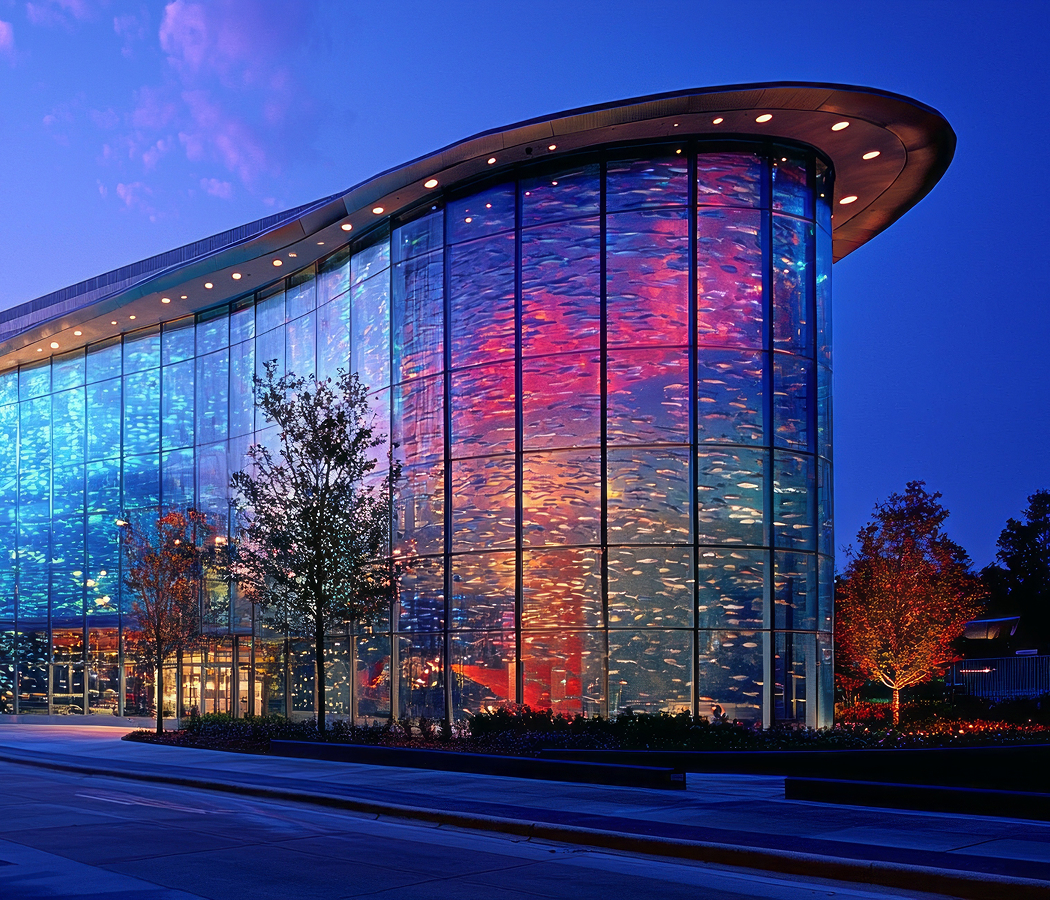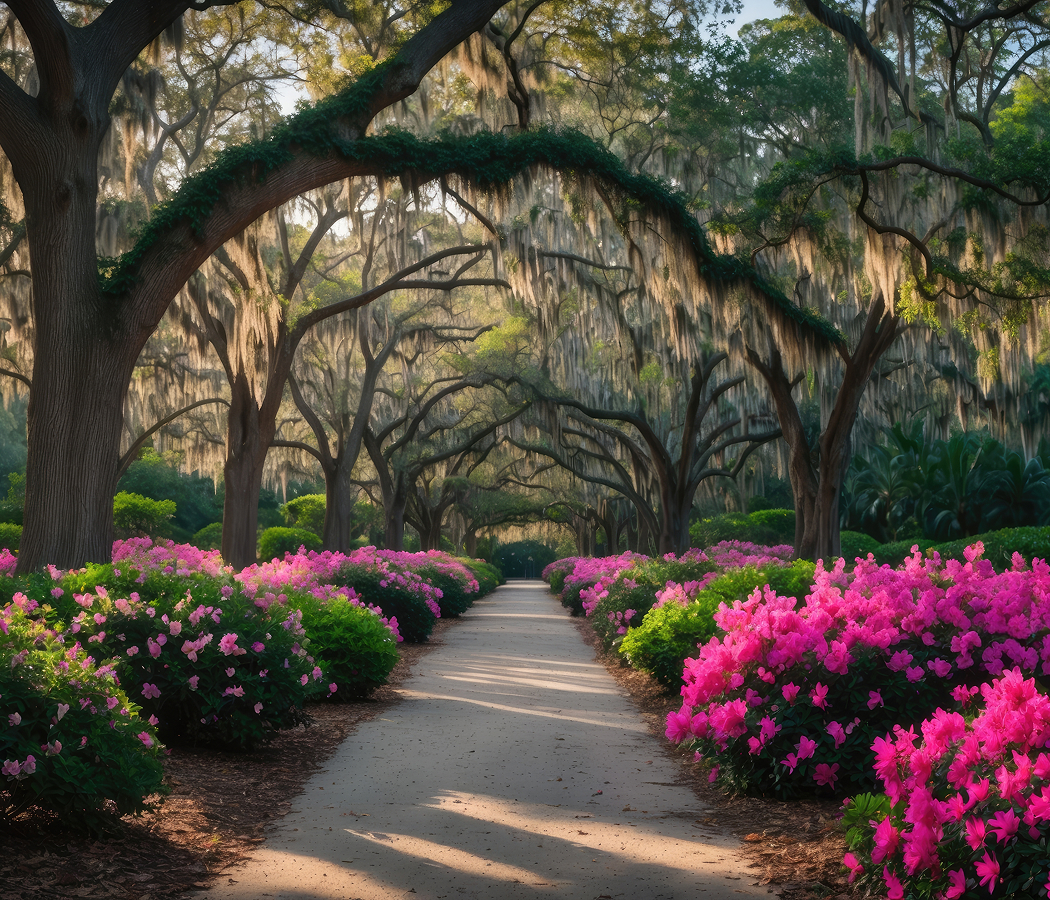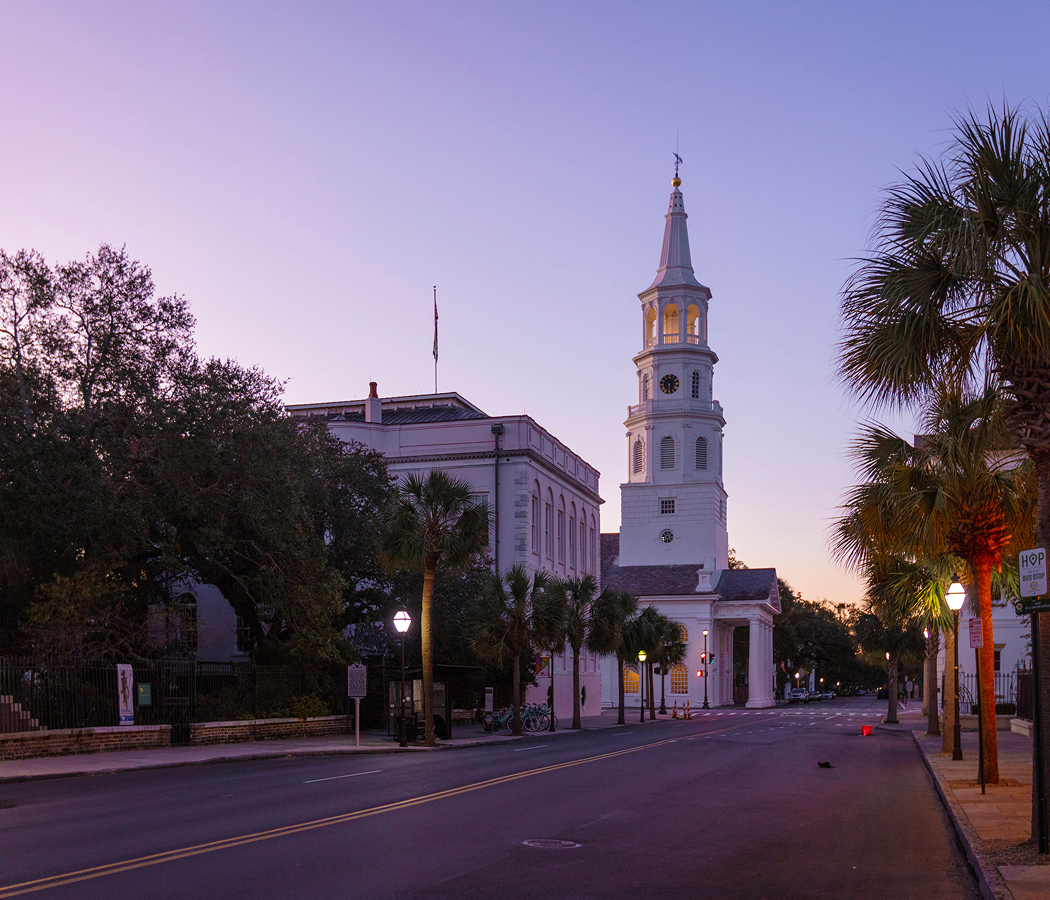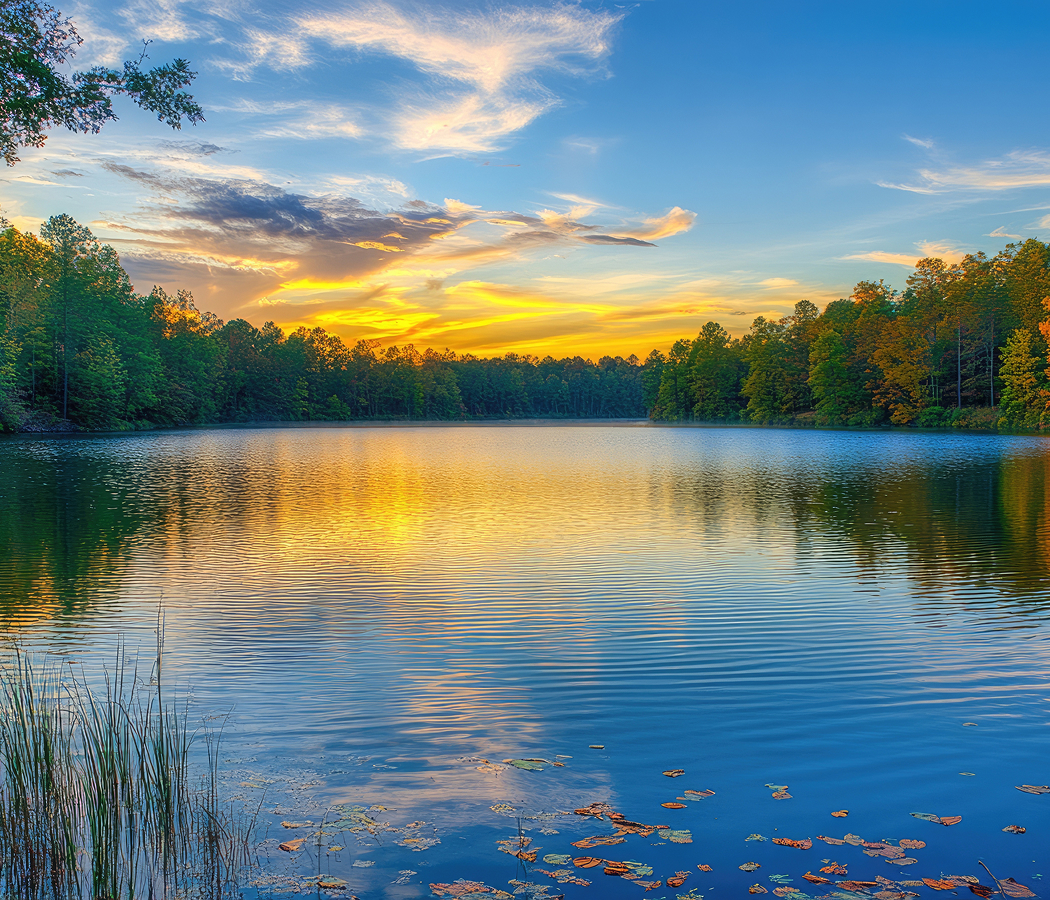
Why you should experience Druid Hills Road in Atlanta, Georgia.
Druid Hills Road is an elegant corridor where Druid Hills' landscape legacy, academic prominence, architectural distinction, and enduring civic character define one of metropolitan Atlanta's most recognizable thoroughfares.
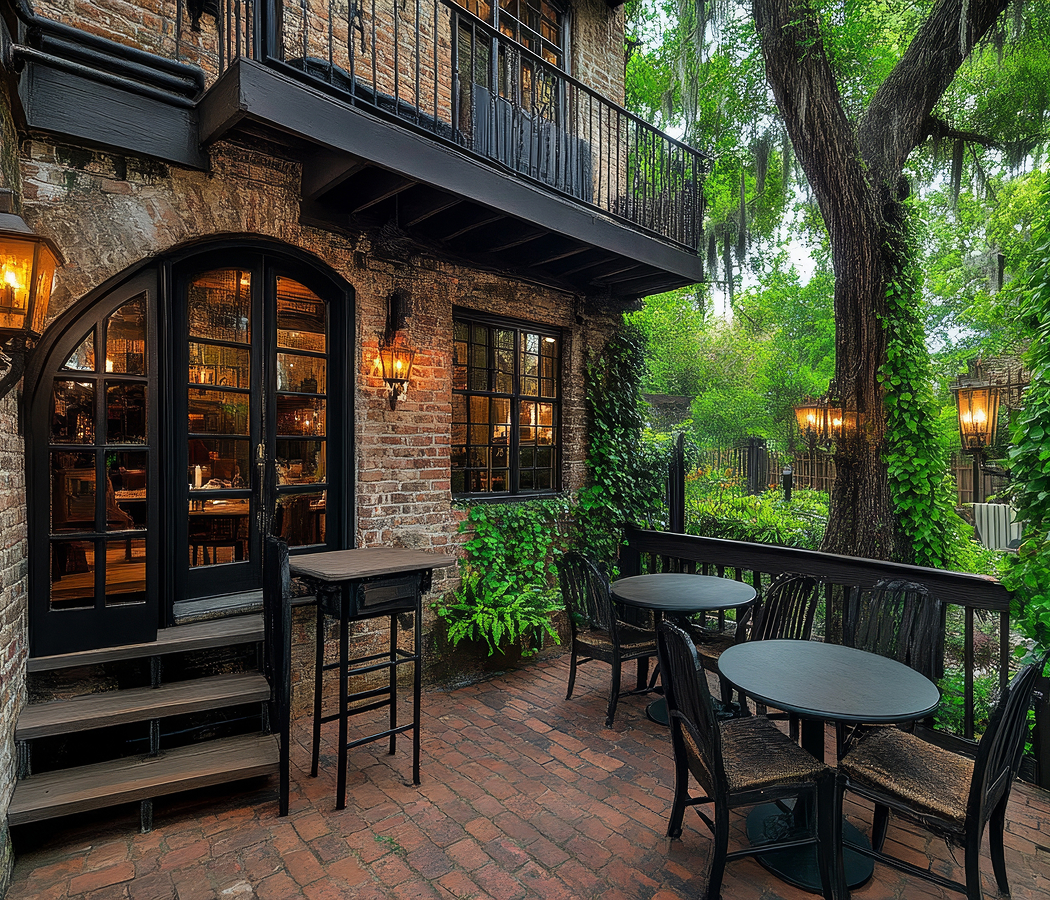
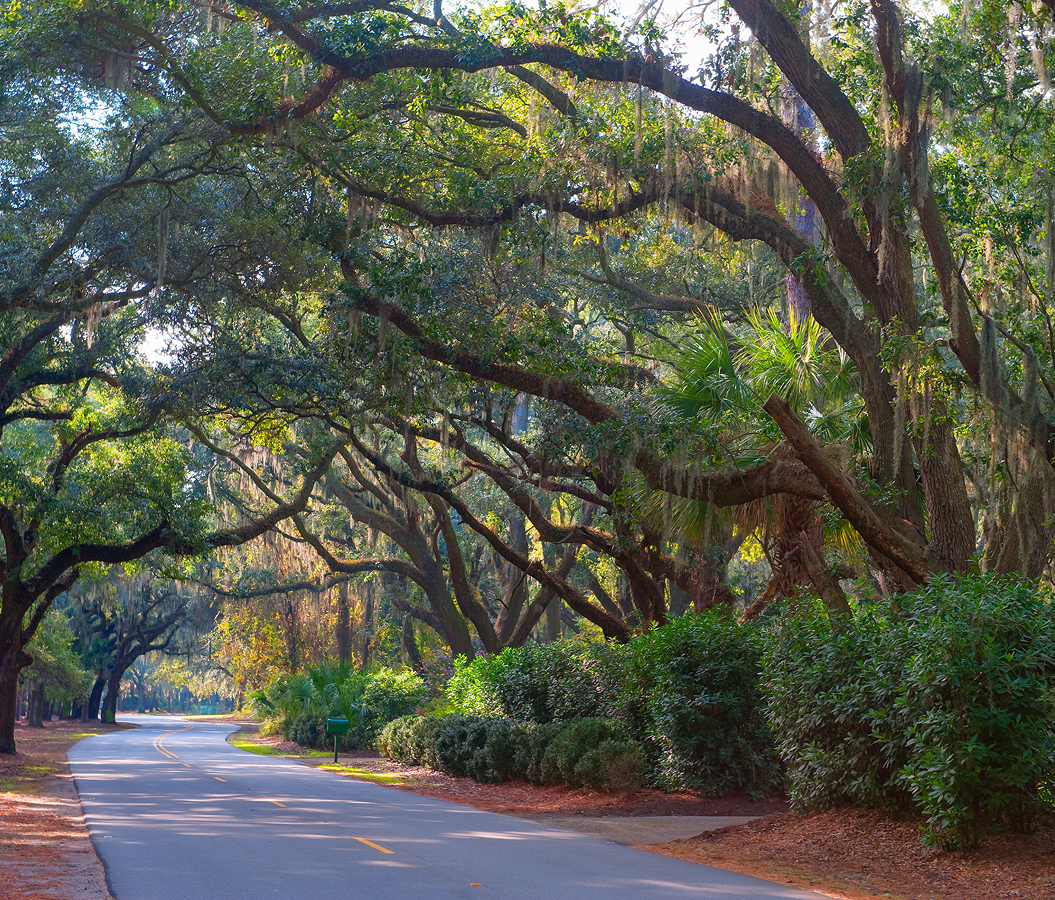
Running through Druid Hills between Virginia-Highland and North Druid Hills, the corridor connects historic residential districts, university campuses, institutional landmarks, and wooded parklands that collectively reflect the area's evolution as one of the nation's most influential planned communities. Successive stretches reveal how visionary landscape planning, institutional expansion, and careful preservation established a streetscape that continues expressing the ideals of early suburban design. Stone walls, mature hardwood canopies, Collegiate Gothic buildings, and early twentieth-century residences preserve a corridor shaped by more than a century of thoughtful development. The result is an experience defined by grace, continuity, and one of Atlanta's most distinguished corridors.
What you should know about Druid Hills Road.
Druid Hills Road is best known for traversing the nationally significant Druid Hills Historic District, whose original master plan was prepared during the 1890s by landscape architect Frederick Law Olmsted, establishing one of the South's earliest comprehensively planned suburban communities. Residential development accelerated during the early twentieth century with substantial Colonial Revival, Tudor Revival, Craftsman, Mediterranean Revival, and Neoclassical residences constructed along curvilinear streets designed to preserve natural topography and extensive tree cover. Institutional expansion introduced facilities associated with Emory University, founded in 1836 and relocated to Druid Hills in 1915, reinforcing the corridor's role as a center for higher education, research, and cultural life. Granite retaining walls, native stone bridges, brick masonry, slate roofs, ornamental landscaping, and carefully engineered parkways demonstrate the craftsmanship and planning principles that distinguished Olmsted's vision from conventional suburban development. Collectively, these layers of landscape architecture, institutional growth, residential design, and historic preservation established Druid Hills Road as one of metropolitan Atlanta's defining historic corridors.
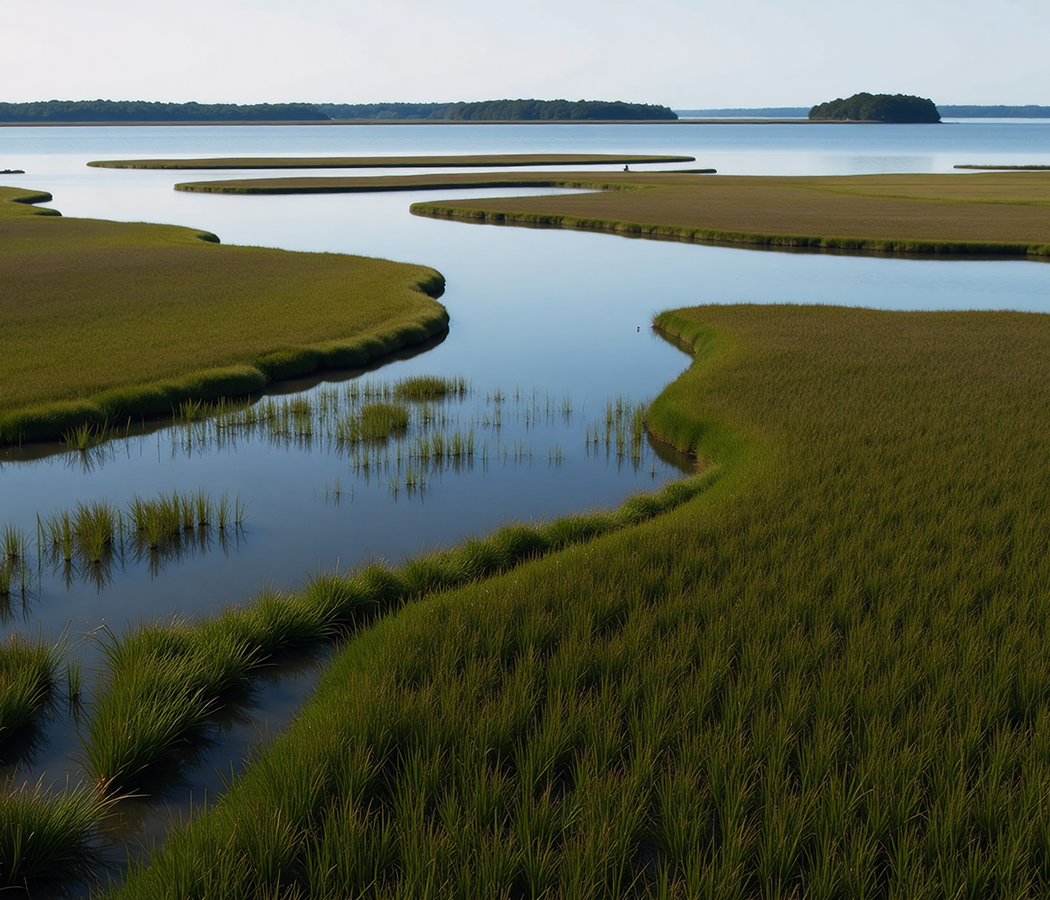
Stewardship by the Druid Hills Civic Association and preservation organizations has encouraged continued protection of historic streetscapes, mature woodland canopies, original stonework, and residential setbacks that remain fundamental to the community's historic character. Tributaries within the South Fork Peachtree Creek watershed continue shaping roadway alignment, landscape management, stormwater engineering, and the preservation of wooded ravines that distinguish the corridor from Atlanta's conventional street grid. University research facilities, healthcare institutions, and cultural organizations have expanded carefully within the surrounding landscape while respecting established architectural materials, open-space patterns, and pedestrian connectivity. Ultimately the combination of visionary landscape planning, environmental stewardship, and sustained institutional investment demonstrates how Druid Hills Road continues expressing the enduring legacy of one of America's most celebrated planned communities.
How to fold Druid Hills Road into your trip.
Druid Hills Road works as an exploration of Atlanta's landscape architecture, higher education, and historic preservation.
Begin at Lullwater Preserve, where wooded trails, historic bridges, and carefully protected landscapes establish the environmental vision that defines Druid Hills before naturally leading toward the surrounding corridor. Continue to Michael C. Carlos Museum, where internationally significant collections deepen appreciation for Emory University's cultural contributions while extending the experience through one of Atlanta's foremost academic institutions. Conclude at Fernbank Museum of Natural History, where scientific discovery, immersive exhibitions, and surrounding old-growth woodland provide the historical payoff by illustrating the lasting relationship between education and the natural landscape. Together, the sequence reveals how planning, scholarship, and environmental stewardship have collectively shaped the enduring character surrounding Druid Hills Road.
Where your story begins.
Foresyte Travel reveals places that feel extraordinary long before you arrive.
Experience premium editorial crafted for luxury travelers.