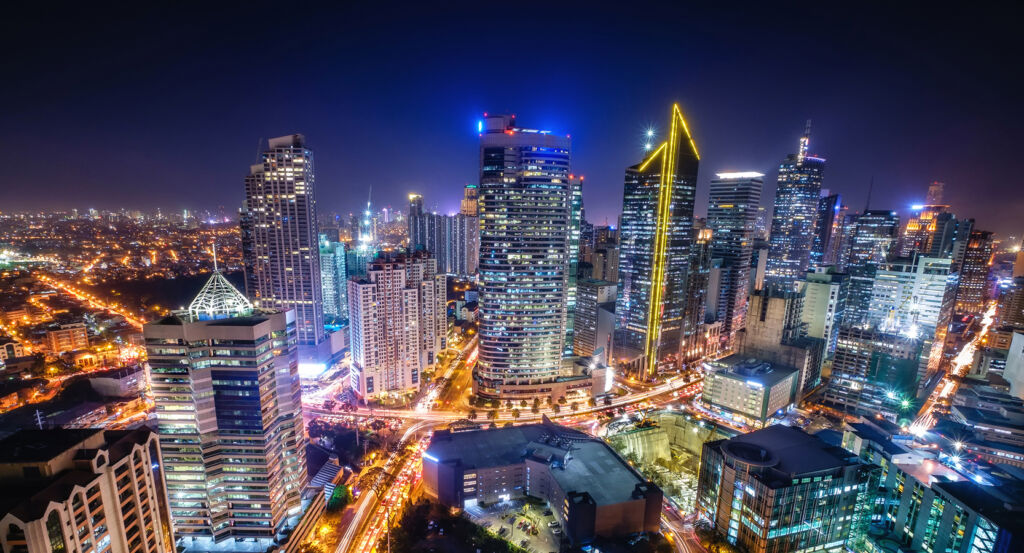
Why you should experience Edsa Shangri-La in Manila, Philippines.
Edsa Shangri-La is where lush sanctuary, urban momentum, and timeless hospitality converge into a stay that feels expansive, soothing, and deeply rooted in the rhythms of Southeast Asian luxury.
This is not Manila translated into performance or compressed into cliché; this is Manila experienced through layered quietness, spatial generosity, and a sense of calm that persists even amid one of the city's busiest corridors. Located along Epifanio de los Santos Avenue (EDSA) in Ortigas Center, the hotel occupies a formidable position at the crossroads of commerce, culture, and movement, yet the moment you step inside, the city's frenetic pace recedes into something proportioned and gentle. Arrival is immediate yet composed. Outside, the artery of urban life hums; inside, tropical greenery, water features, and warm Shangri-La elegance create a buffer that feels intentional. The lobby unfolds with generous scale, high ceilings, and quiet confidence, polished floors grounded by deep timber, artful décor referencing local influences without exaggeration, and thoughtful lighting that shapes atmosphere more than performance. Public spaces feel domestically elegant: lounges, lounges that feel like extended living rooms, and corridors that lead not just to rooms but to moments of pause. There's a deep sense of spatial breathing room here, a luxury that accumulates over time rather than fades after a single glance. Guest rooms are the epitome of residential refinement. Accommodations are spacious by Manila standards, designed to support sleep, work, rest, and reflection without putting any of them at odds with each other. Interiors lean toward a warm, neutral palette, soft fabrics, layered textures, and a layout that prioritizes ease. Beds are deeply comfortable, engineered not for show but for genuine rest. Seating areas invite reading, conversation, or stillness, while workspaces sit quietly to one side, functional. Large windows frame views of either the landscaped gardens below or the distant city skyline, each shift in light marking a change in perception. Bathrooms are similarly generous: deep soaking tubs, separate rain showers, quality materials, and finishes that feel both timeless and reassuring. Dining at Edsa Shangri-La underscores the property's layered luxury. Restaurants and cafés offer cuisine that is refined without pretense, from casual all-day menus to thoughtful, composed evening experiences. Meals here feel grounded in technique and flavor rather than flash, supported by service that is attentive without formality. The hotel's public amenities, spa, fitness facilities, shaded pools, and garden nooks, extend this theme of balanced luxury. They are places to restore rather than escape, to slow rather than detach, and to recover with intention rather than interruption. Service throughout the property captures Shangri-La's renowned hospitality with a thoughtful Filipino nuance: warm, convivial, anticipatory, and deeply sincere. Edsa Shangri-La doesn't offer distance from the city. It offers a vantage point from which the city's motions feel navigable, proportioned, and emotionally sustainable.
What you should know about Edsa Shangri-La.
Edsa Shangri-La is among the earliest and most influential luxury hotels in the Philippines, but its story is not about staying static; it's about evolving with the city while maintaining a character rooted in service excellence and spatial grace.
Since its opening, the hotel has witnessed cycles of urban change, economic shifts, architectural transformations, cultural evolution, and it has adapted not through reinvention alone, but through conservation of what matters: comfort, dignity, and human connection. Many guests arrive unaware of how thoughtfully the hotel's spatial design supports psychological ease. Public areas are not just beautiful; they are arranged to manage perception of time and density. Water features calm air and attention alike; landscaping shapes pathways that feel spatially generous; sightlines are long yet composed, allowing the eye to rest. The result is a level of comfort that feels cultivated. Culturally, the hotel attracts a diverse blend of guests who value substance over show. Executives on extended assignments, diplomats, families returning to the city, long-stay regional travelers, and locals who treat the property as a social anchor all converge here. This mix reinforces an atmosphere that is international without being impersonal, culturally informed without being compartmentalized. Service culture at Edsa Shangri-La is an expression of continuity as much as training. Many staff members have built long tenures, creating memory networks that allow for genuine personalization. Preferences are remembered not as a performance but as matter-of-fact care. Architecturally, the hotel favors scale and proportion over fleeting design trends. Materials are chosen for longevity; spaces are arranged for flow rather than interruption; acoustics support calm rather than adrenaline. Operationally, the property performs with reliable precision across extended stays, peak business cycles, major events, and daily rhythms. Standards remain steady not through rigidity but through disciplined flexibility. Sustainability here is expressed through durability: furnishings and finishes age with dignity, workflows are refined over years rather than seasons, and comfort is treated as infrastructure rather than ornamentation. Perhaps most importantly, Edsa Shangri-La captures a philosophy of hospitality rooted in presence. It is not designed to distract you from the city. It is designed to help you inhabit it with clarity and calm.
How to fold Edsa Shangri-La into your trip.
Edsa Shangri-La works best when you allow it to anchor your Manila experience as both a refuge and a base of operations, shaping your daily rhythm.
Begin your mornings deliberately. Wake into a room that feels ordered and receptive to light, let the measured quiet of the space settle your attention, and enjoy breakfast in a dining room that supports conversation. Late mornings and afternoons are ideal for meetings across Ortigas, professional engagements, museum visits, or curated exploration of nearby districts like Greenhills or Pasig. Knowing that your return point offers calm, space, and personal continuity changes how you move through the city. Midday returns are especially valuable here; a short rest, a pool dip beneath shaded palms, or a longer spa session recalibrates energy for the afternoon with intention. Evenings unfold with a sense of composure. Dine within the hotel at your own pace, meet friends or colleagues in the lounge, or explore Manila Bay at sunset, knowing that your base remains a stable resonant frame. Over longer stays, routines settle beautifully: staff greet you by name, spaces begin to feel like context rather than container, and transitions between rest and activity become intuitive rather than forced. Weekends take on a gentler cadence, offering opportunity for reflective exploration of cultural sites, parks, or nearby heritage districts with the knowledge that return will feel restorative. On departure day, transitions feel smooth and unforced. Logistics are handled with care, luggage moves quietly, and you leave not with depletion but with equilibrium. Edsa Shangri-La does not linger in memory as performance or indulgence. It stays with you as clarity, the rare satisfaction of having experienced Manila from a place that understood how comfort, proportion, and human care could elevate understanding of the city itself.
Where your story begins.
Foresyte Travel reveals places that feel extraordinary long before you arrive.
Experience premium editorial crafted for luxury travelers.