Why Elizabeth Street matters.
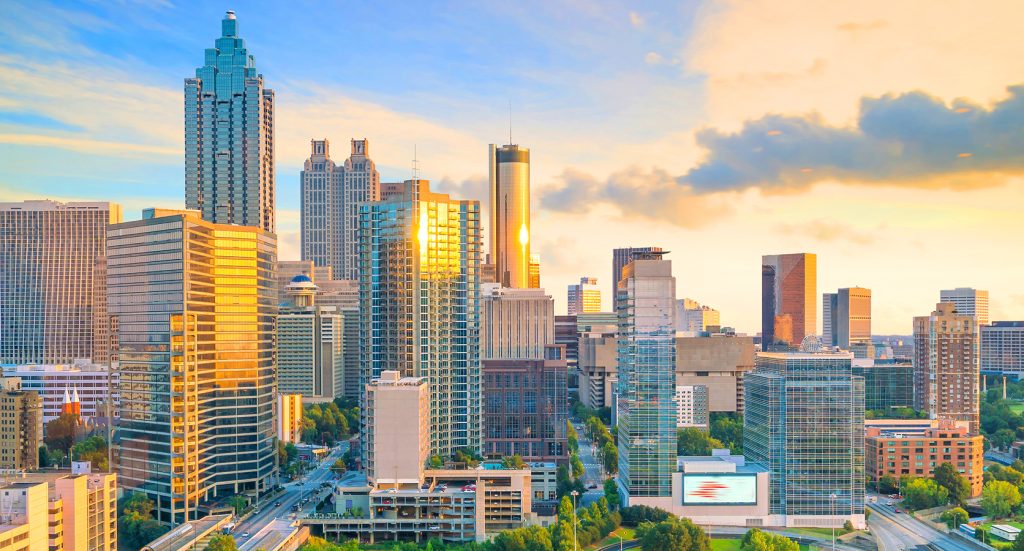
Elizabeth Street is a historic Inman Park corridor where Victorian heritage, culinary creativity, and neighborhood charm converge along one of Atlanta's most beloved residential streets.
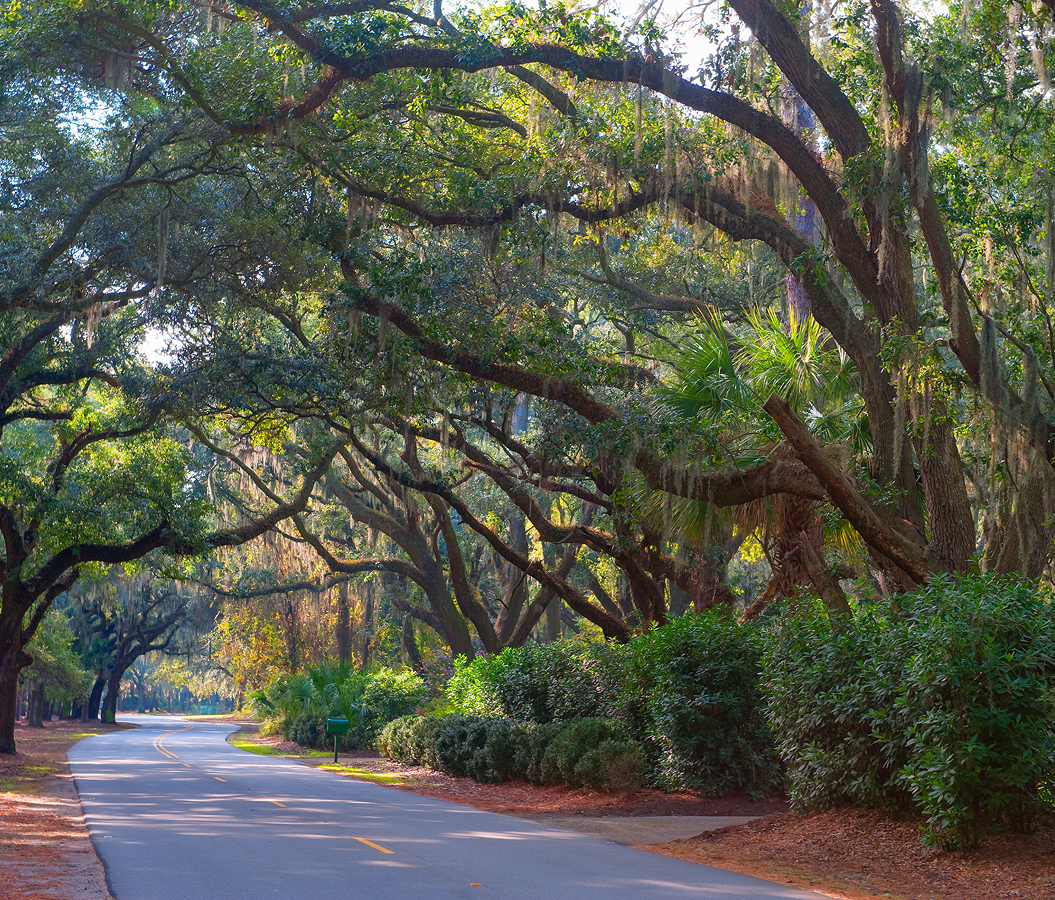
Running through Inman Park between Little Five Points and Old Fourth Ward, this scenic corridor connects beautifully preserved Victorian homes, acclaimed restaurants, neighborhood cafés, boutique businesses, tree-lined sidewalks, and inviting public spaces that have defined Atlanta's first planned suburb for more than a century. Ornate nineteenth-century residences, landscaped streetscapes, adaptive reuse buildings, and energetic neighborhood gathering places create an environment where architectural preservation and contemporary urban life exist in remarkable harmony. As Inman Park evolved from Atlanta's premier streetcar suburb into one of the city's most celebrated historic neighborhoods, Elizabeth Street retained the distinctive character that continues to attract residents and visitors alike. The result is a corridor defined by elegance, community, and enduring cultural vitality.
What defines Elizabeth Street.
Elizabeth Street is best known for housing The Trolley Barn, the 1889 streetcar maintenance facility that serviced Atlanta's pioneering electric street railway system before its meticulous preservation transformed it into one of the city's most recognizable historic event venues, preserving a defining chapter in the development of Atlanta's first planned suburb.
Constructed during the rapid expansion of Inman Park, the brick facility maintained the electric streetcars that connected residents with Downtown and fueled the growth of one of the South's earliest streetcar suburbs. The arrival of reliable electric transit fundamentally reshaped residential development, making Inman Park a model for suburban planning while influencing neighborhood expansion across the city. Rather than disappearing after the streetcar era ended, the building was carefully restored, preserving its industrial architecture and historic significance while adapting it for community gatherings, weddings, and cultural events. Elizabeth Street continues to reflect this remarkable legacy, connecting one of Atlanta's most scenic residential corridors with the transportation innovation that helped create modern Inman Park.
How Elizabeth Street fits.
Elizabeth Street works as an exploration of Inman Park's architectural heritage, culinary scene, and neighborhood character.
Begin at The Trolley Barn, where one of Atlanta's most important streetcar-era landmarks immediately establishes the corridor's historic significance. Continue toward Krog Street Market, whose celebrated adaptive reuse of the former Atlanta Stove Works factory showcases another chapter in the city's industrial reinvention. From there, make your way to Atlanta BeltLine Eastside Trail, where public art, landscaped pathways, and lively gathering spaces provide a broader perspective on the continuing transformation of Atlanta's historic transportation corridors. Along the route, you'll encounter Victorian homes, neighborhood cafés, chef-driven restaurants, public art, locally owned boutiques, and welcoming pedestrian spaces that demonstrate how Elizabeth Street seamlessly connects Atlanta's streetcar heritage with one of its most energetic contemporary neighborhoods. The progression moves naturally from landmark transit history to celebrated marketplace to transformative greenway, revealing why Elizabeth Street remains one of Inman Park's most rewarding corridors.
Where your story begins.
Foresyte Travel reveals places that feel extraordinary long before you arrive.
Enjoy editorial crafted for luxury travelers.
Foresyte may earn a commission when you book.