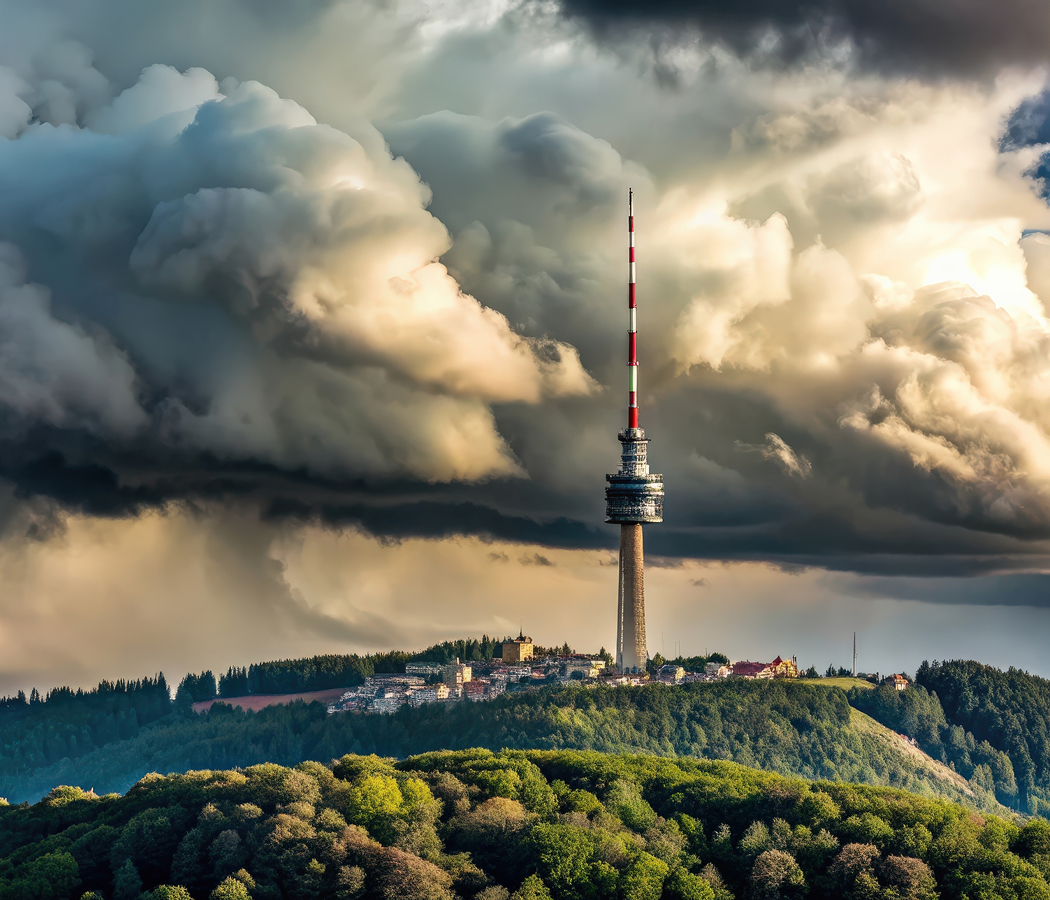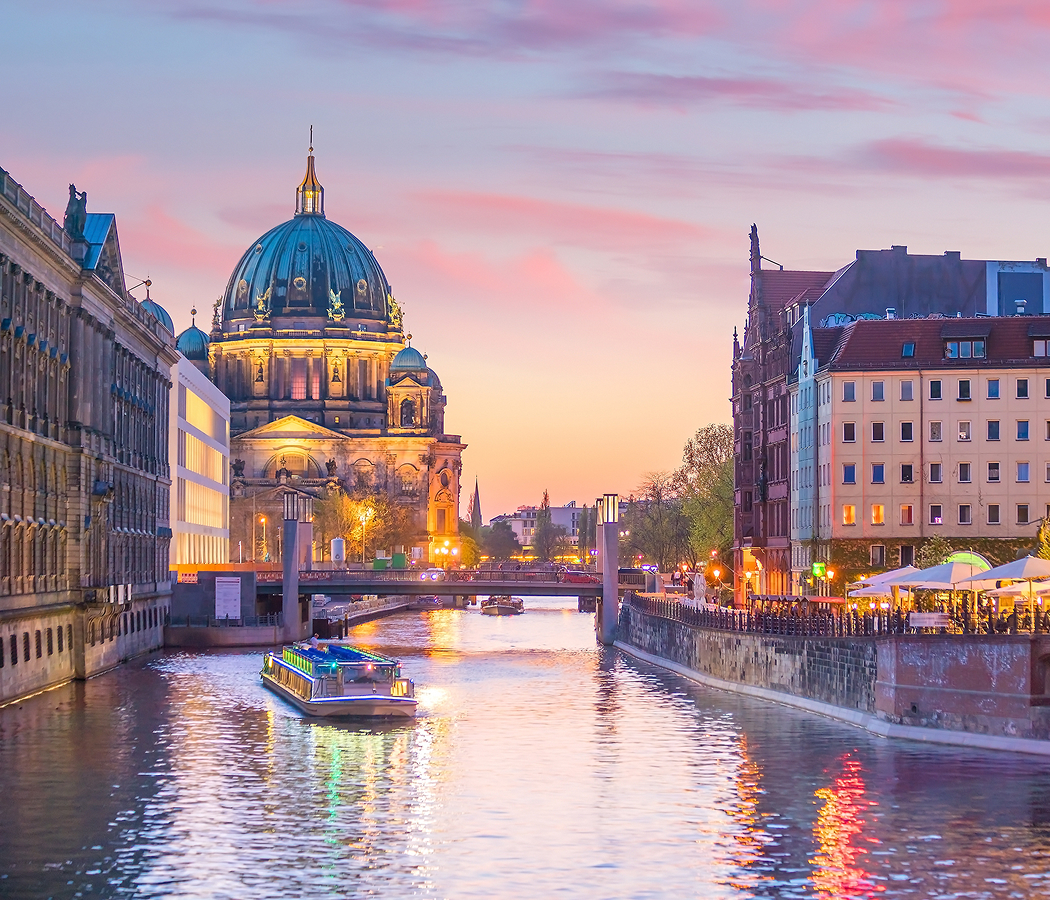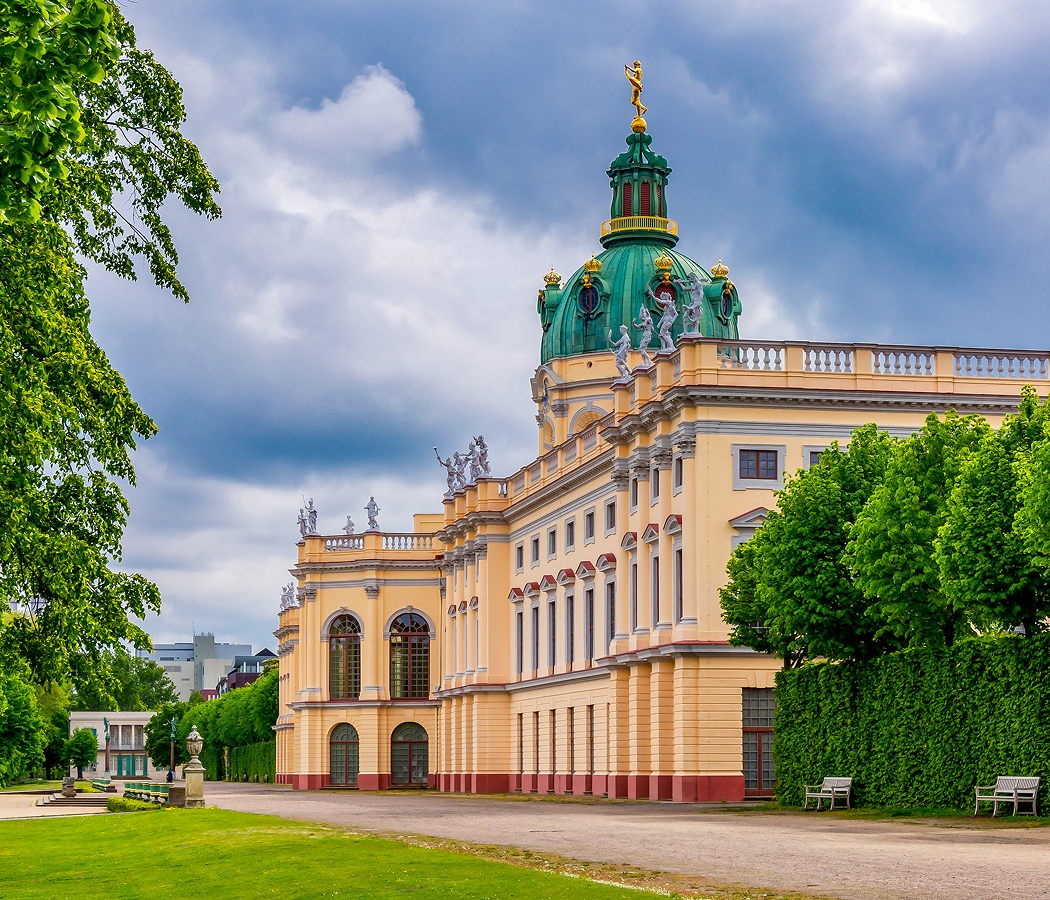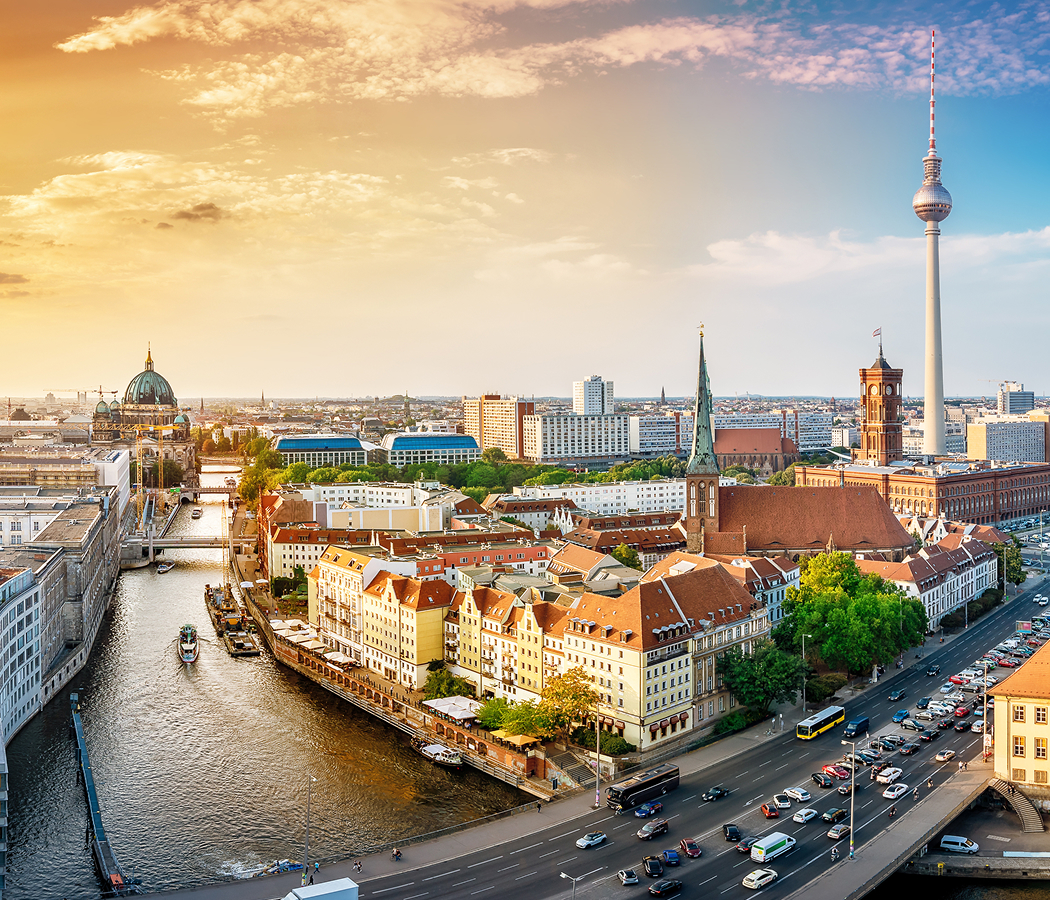
Why you should experience Feldmoching-Hasenbergl in Munich, Germany.
Feldmoching-Hasenbergl is a uniquely spacious outer district where centuries-old farming villages, protected natural landscapes, and modern residential communities converge amid the established neighborhood life of neighboring Hasenbergl.
Historic village centers, lakeside recreation areas, agricultural fields, residential neighborhoods, community parks, cycling routes, and nature preserves create a district that balances rural heritage with urban accessibility. Feldmoching remained an agricultural community for much of its history, supplying food and resources to the growing city while maintaining a strong village identity. As Munich expanded northward, new residential developments emerged alongside longstanding farms, churches, and open landscapes. The result is a district that feels noticeably different from much of the city, offering a rare blend of countryside character and metropolitan convenience. Today, visitors encounter a neighborhood that feels open, peaceful, and deeply connected to the land. Every village square, lakeside trail, and green corridor reflects a district shaped by agriculture, community, and preservation.
What you should know about Feldmoching-Hasenbergl.
Feldmoching-Hasenbergl is best known for containing Munich's largest concentration of historic village landscapes, preserving rural settlements, agricultural land, and traditional community structures within the boundaries of a major European city.
Unlike many districts that were fully urbanized during Munich's growth, Feldmoching retained significant portions of its historic rural environment. Traditional village centers, working agricultural areas, and open landscapes continue to coexist with modern residential neighborhoods, creating a distinctive urban-rural character rarely found in large metropolitan areas. These preserved landscapes offer valuable insight into the region's agricultural history and the settlement patterns that predate Munich's expansion. Few districts in Germany's major cities maintain such a visible connection to their rural origins.
How to fold Feldmoching-Hasenbergl into your trip.
Feldmoching-Hasenbergl works as an exploration of village heritage, lakeside recreation, and the natural landscapes that reveal a quieter side of Munich.
Begin at Feldmochinger See, where the district's defining relationship with outdoor recreation, community life, and open space immediately comes into focus. Continue toward Fasanerie Lake, whose scenic shoreline and recreational atmosphere reveal the natural amenities that distinguish the district from denser parts of the city. From there, make your way to St. Peter and Paul Church Feldmoching, where historic architecture and the surrounding village center provide a broader perspective on the centuries-old community that shaped the area long before Munich's modern expansion. Along the route, you'll encounter agricultural landscapes, cycling paths, residential neighborhoods, nature preserves, community gathering spaces, local cafés, and historic landmarks that showcase the district's remarkable character. Together, these destinations reveal how Feldmoching-Hasenbergl evolved from a collection of rural settlements into one of Munich's most distinctive and landscape-rich districts.
Where your story begins.
Foresyte Travel reveals places that feel extraordinary long before you arrive.
Experience premium editorial crafted for luxury travelers.