Why you should experience Fort Pulaski National Monument in Cockspur Island, Georgia.
Fort Pulaski National Monument is Savannah's most powerful echo of ingenuity, endurance, and quiet heroism.
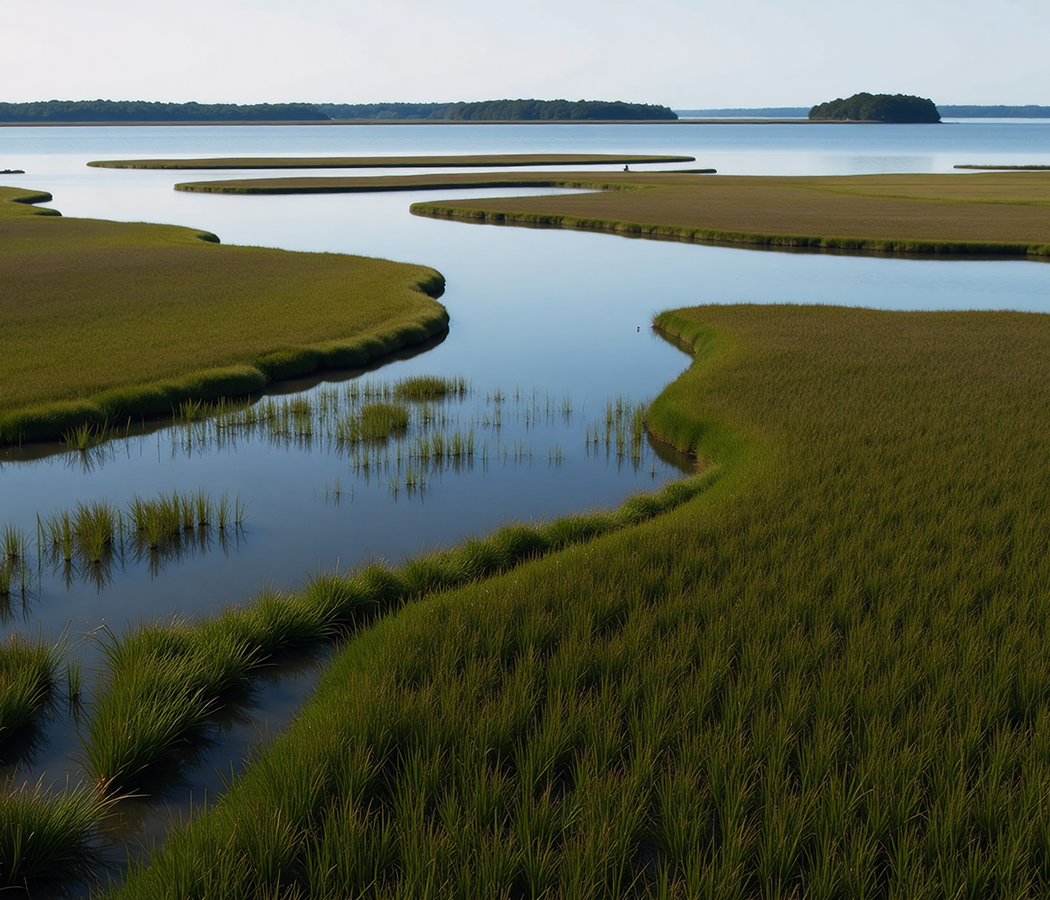
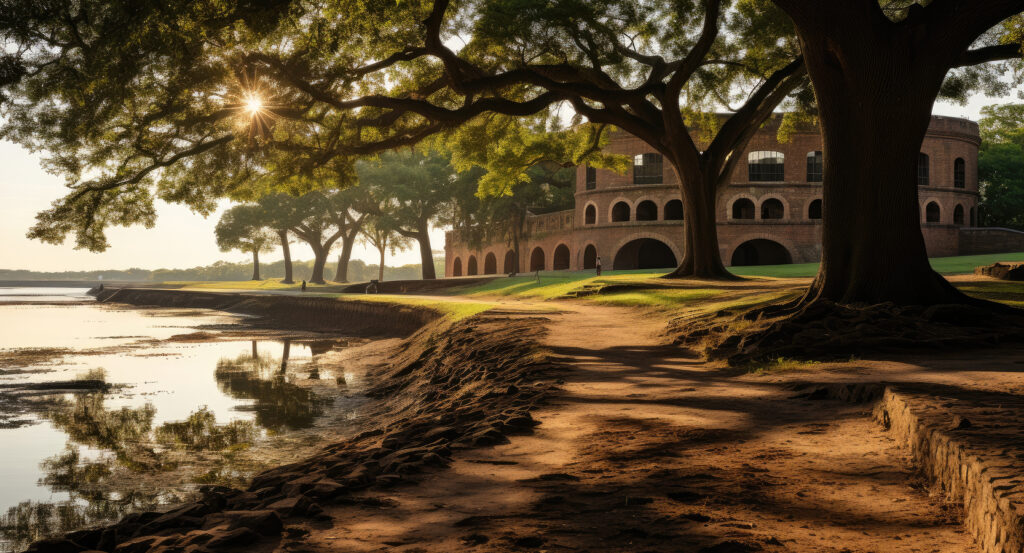
Rising stoically from the marshlands between Savannah and Tybee Island, Fort Pulaski feels like a time capsule suspended in brick and salt air. Built between 1829 and 1847 as part of the U.S. coastal defense system, the fort was once thought to be impenetrable, a masterpiece of military engineering that embodied the height of 19th-century innovation. Its 25 million bricks were laid with precision, its moat mirrored the sky, and its thick walls seemed to defy both cannon and time. Yet, in 1862, during the Civil War, Union forces used experimental rifled artillery to breach its southeast wall in just 30 hours, a moment that changed the course of military history. Standing there today, you can still see the scars where cannonballs shattered the once-invincible fortress. But more than a relic of war, Fort Pulaski feels like a meditation on transformation, from stronghold to sanctuary, from a symbol of conflict to one of peace. Surrounded by tidal marshes and coastal breeze, the fort captures the resilience that defines Savannah itself: elegant, unyielding, and forever entwined with the tides of time.
What you should know about Fort Pulaski National Monument.
Beneath its brick arches and echoing corridors lies a story of revolution, not just political, but technological, social, and environmental.
Fort Pulaski was part of a national system of coastal forts designed by the U.S. Army Corps of Engineers, and its construction marked one of the earliest major engineering projects for a young West Point graduate named Robert E. Lee. But the fort's legend was sealed two decades later, when Union forces introduced rifled cannon technology, a weapon so precise and powerful it rendered brick fortifications obsolete overnight. The breach of Fort Pulaski became a turning point in warfare, signaling the dawn of modern military science. Yet what many visitors overlook is how the fort's story continued to evolve after the smoke cleared. It later served as a prison for Confederate officers, a refuge for freed slaves known as contrabands, and eventually a site of preservation long before conservation was fashionable. When it was designated a national monument in 1924 by President Calvin Coolidge, it became one of the earliest examples of the National Park Service's commitment to both history and habitat. The surrounding Cockspur Island, now part of the monument, is a haven for wildlife, from herons and osprey to fiddler crabs scuttling through the marsh grass. The fort's moat, once a defensive line, now reflects clouds and cypress, turning what was built for war into something beautifully serene. Hidden throughout its corridors are small symbols of this transformation: iron cannons now resting in silence, moss creeping gently across the battlements, and the sound of wind where once there was fire. Each echo within Fort Pulaski isn't just memory, it's redemption carved in brick.
How to fold Fort Pulaski National Monument into your trip.
To experience Fort Pulaski fully, give yourself time to absorb both its scale and its silence.
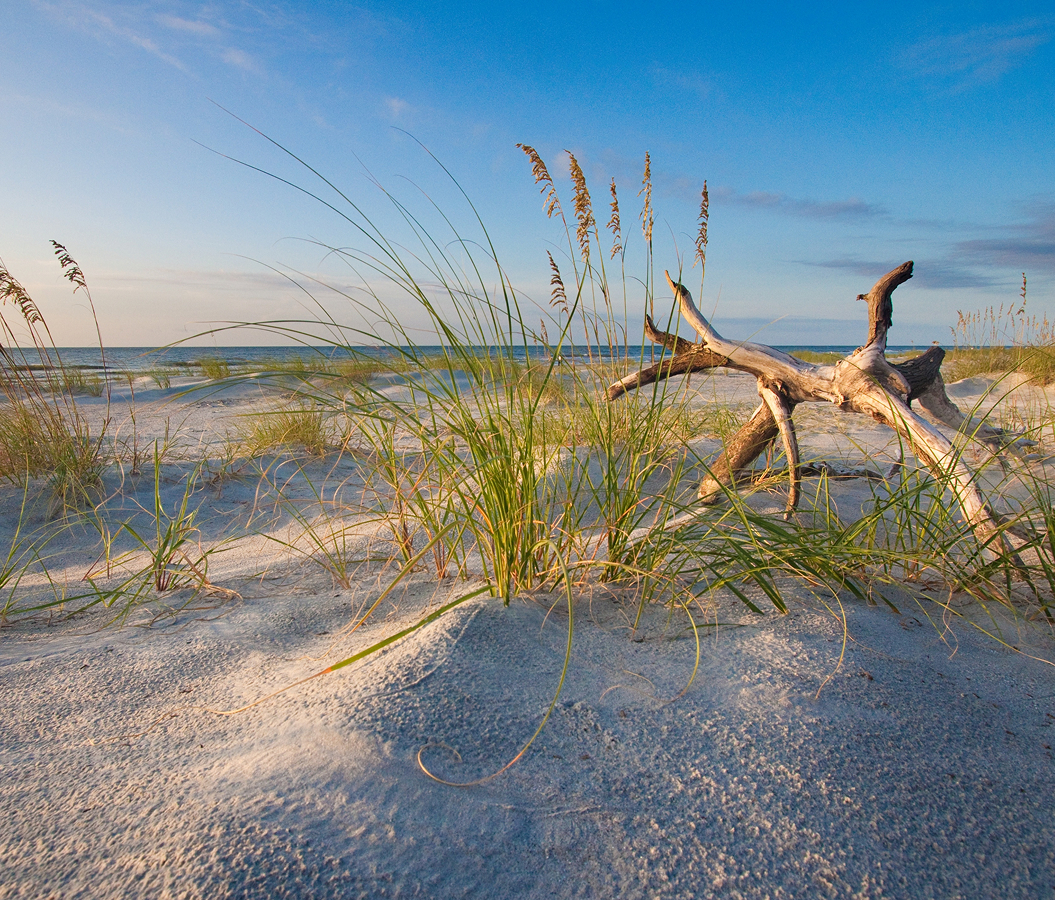
Arrive early, when the marshes are still misted over and the sun begins to gild the fort's brick walls. The drive from Downtown Savannah takes about 20 minutes, leading you through the scenic Lowcountry toward Cockspur Island. Begin your visit with a walk across the drawbridge and into the main courtyard, the fort's symmetry and acoustics are unique. Follow the interior corridors to the breach wall, where cannonball damage remains visible, and imagine the thunder of those first rifled shots echoing across the water. Don't miss the spiral staircases that lead to the upper parapets, from there, the view stretches across the Savannah River toward Tybee Island and the Atlantic. If you listen closely, you'll hear the faint rush of the tide mingling with birdsong, a harmony that feels like history exhaling. Explore the nature trails that wind around the monument's edges, where wildflowers and sea oats sway beside Civil War-era ditches. For photographers, the late afternoon light is sublime, it ignites the bricks in amber tones, and the reflection of the fort in the still moat feels almost painterly. Pair your visit with a stop at nearby Fort Screven or Tybee Island Light Station to round out your journey through Georgia's coastal heritage. And if you're in Savannah for a few days, return at golden hour, when the fortress glows against the marsh, and its long shadow stretches toward the river as if time itself is bowing in respect. Fort Pulaski National Monument isn't merely a site of history, it's a story of evolution, where the meaning of strength changed forever. Once built to guard against the future, it now invites reflection on the past, and in doing so, it reminds every visitor that even the strongest walls eventually give way to peace.
Where your story begins.
Foresyte Travel reveals places that feel extraordinary long before you arrive.
Experience premium editorial crafted for luxury travelers.