Why Phra Phrom matters.
Phra Phrom is a revered Hindu shrine where Pathum Wan's spiritual traditions, cultural devotion, architectural elegance, and urban energy converge within one of Thailand's most visited sacred sites.
Set at the corner of Ratchadamri Road and Phloen Chit Road near Ratchaprasong Intersection and just steps from Erawan Bangkok, this richly ornamented shrine centers upon a gilded four-faced image of Brahma surrounded by marble courtyards, ornate pavilions, fragrant garlands, traditional Thai dancers, and continuous offerings that create an atmosphere of enduring reverence amid Bangkok's dynamic commercial district. Intricate craftsmanship, ceremonial rituals, devotional music, and energetic floral displays reflect the harmonious coexistence of religious tradition and modern urban life. Every visit reveals a sacred space where centuries-old beliefs remain deeply woven into the rhythm of contemporary Bangkok. The result is a shrine defined by spiritual significance, cultural continuity, and one of Thailand's most recognizable places of worship.
What defines Phra Phrom.
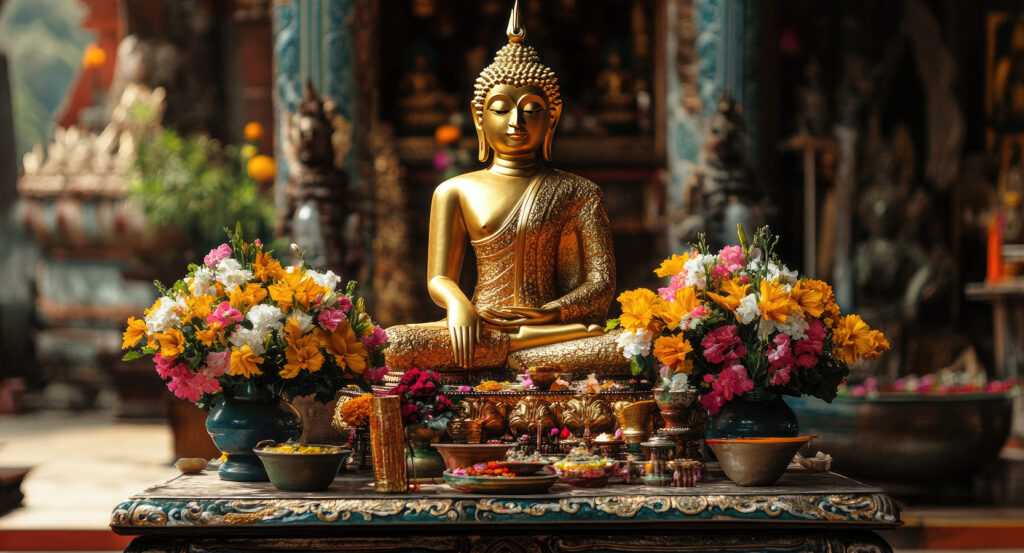
Phra Phrom is best known for being established on 9 November 1956 during the construction of the original Erawan Hotel, following the recommendation of renowned astrologer Rear Admiral Luang Suwicharnphaet that a shrine dedicated to Brahma (Phra Phrom) be erected to counter a succession of construction setbacks, accidents, and financial misfortune believed to have arisen from unfavorable spiritual influences. Commissioned by the Thai government-owned Erawan Hotel Company, the shrine's four-faced deity was sculpted by celebrated Department of Fine Arts artisan Phra Saner Silpakram, who created the image from plaster before covering it in gold leaf according to traditional Thai artistic principles. Each of Brahma's four faces symbolizes a different divine virtue, loving-kindness, compassion, sympathetic joy, and equanimity, while the accompanying hands hold sacred objects including the Vedas, rosary, water vessel, and scepter, representing wisdom, spiritual discipline, creation, and authority. Over subsequent decades the shrine evolved into one of Southeast Asia's foremost pilgrimage destinations, attracting millions of worshippers annually who present jasmine garlands, incense, carved wooden elephants, and commissioned performances of traditional Thai dance in fulfillment of answered prayers. Following the destruction of the original statue during an act of vandalism in March 2006, artisans from the Fine Arts Department created an exact replacement from solid Phra Pradaeng green granite, preserving the original dimensions and iconography before reinstalling the shrine only weeks later in a ceremony attended by senior Buddhist monks, Brahmin priests, government officials, and members of the royal household. Today Phra Phrom remains one of Bangkok's most internationally recognized sacred landmarks, welcoming devotees representing Buddhist, Hindu, Chinese, and international spiritual traditions while continuing the ritual practices that have defined the shrine for nearly seven decades.
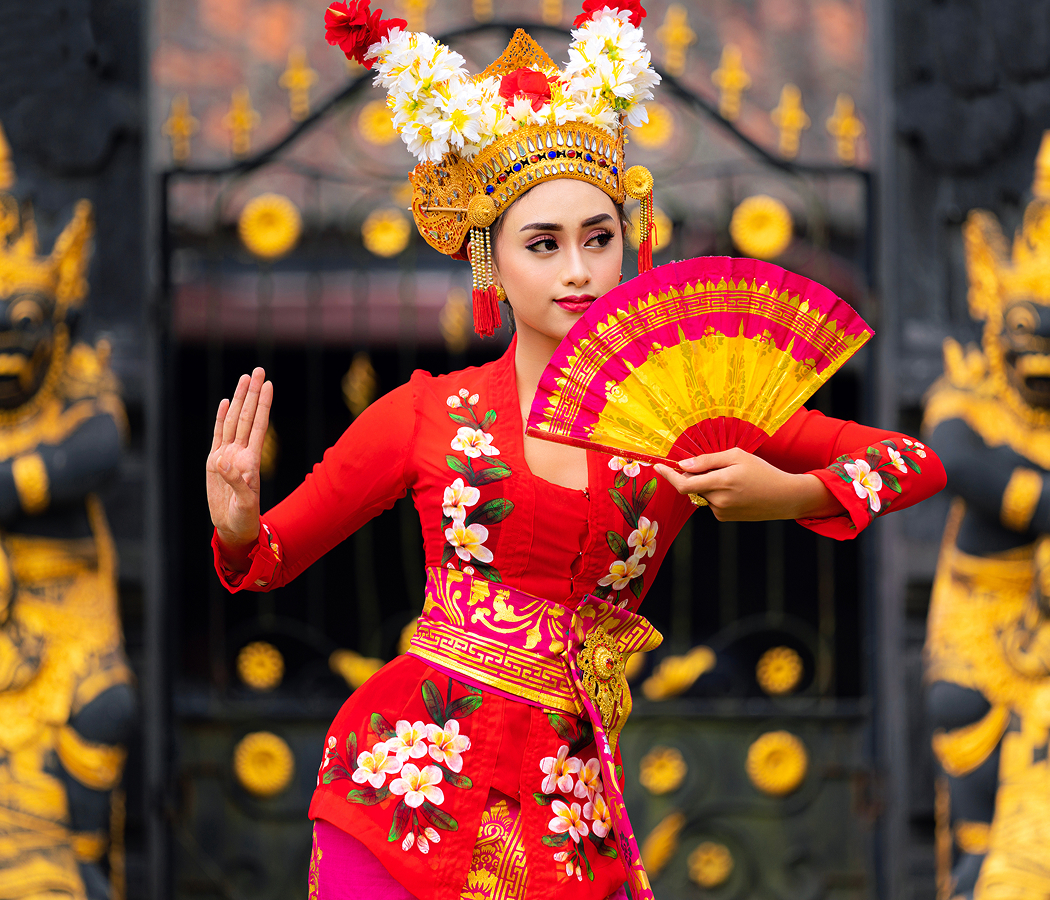
The architectural composition reflects a sophisticated fusion of Thai and Hindu artistic traditions through gilded ornamentation, tiered roofing, ceremonial pavilions, marble paving, and meticulously maintained devotional spaces that remain active throughout the day and evening. Resident Brahmin priests oversee daily rituals while classical Thai dance troupes perform beside the shrine as votive offerings sponsored by worshippers whose prayers have been fulfilled, preserving a distinctive ceremonial tradition rarely encountered elsewhere in Bangkok. Positioned at the heart of the Ratchaprasong commercial district, the shrine occupies one of the city's busiest intersections, demonstrating the enduring integration of sacred tradition within a modern metropolitan landscape. Every detail demonstrates how religious devotion, artistic craftsmanship, royal patronage, and cultural continuity have combined to sustain one of Thailand's most significant urban shrines.
How Phra Phrom fits.
Phra Phrom works as the spiritual centerpiece of an exploration through Bangkok's Ratchaprasong cultural and commercial district.
Begin at Gaysorn Village, where refined retail galleries and contemporary architecture establish the character of the neighborhood before arriving at Phra Phrom. Continue to CentralWorld, whose expansive shopping, dining, and public spaces demonstrate Bangkok's evolution into one of Asia's foremost commercial destinations. Conclude at Lumphini Park, where tranquil lakes, mature trees, and landscaped gardens provide a peaceful finale complementing the contemplative atmosphere of the shrine. The progression moves naturally from elegant urban retail to Bangkok's most revered Brahma shrine before concluding through the city's celebrated green sanctuary, revealing why Phra Phrom remains among Thailand's most significant spiritual landmarks.
Where your story begins.
Foresyte Travel reveals places that feel extraordinary long before you arrive.
Enjoy editorial crafted for luxury travelers.
Foresyte may earn a commission when you book.