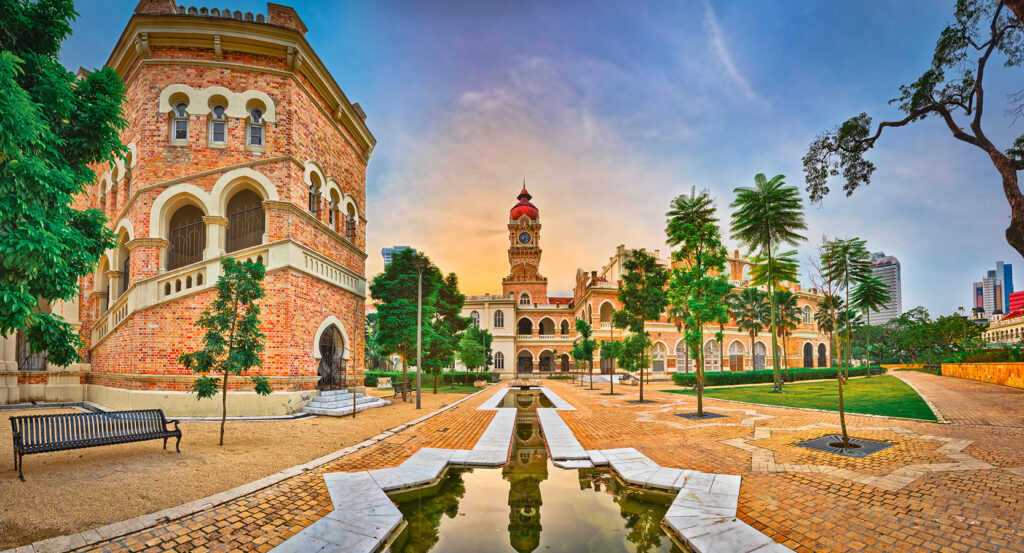
Why you should experience Four Points by Sheraton Kuala Lumpur, Chinatown in Kuala Lumpur, Malaysia.
Four Points by Sheraton Kuala Lumpur, Chinatown is grounded urban hospitality built for immersion, where functional comfort, cultural immediacy, and deliberate restraint place you directly inside the city's living fabric rather than above or apart from it.
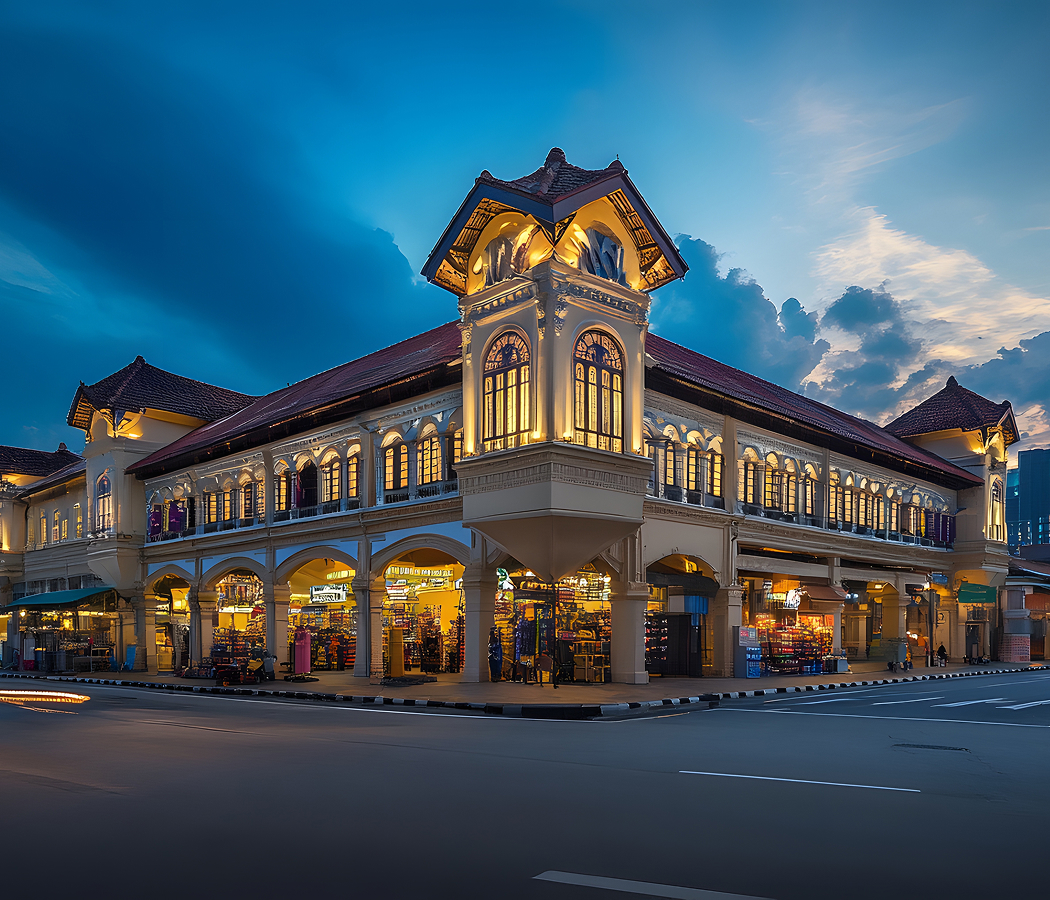
Four Points by Sheraton Kuala Lumpur, Chinatown does not posture as a destination unto itself; it operates as an access point into one of the city's most historically dense, socially active, and continuously inhabited districts. Situated in the heart of Chinatown, the hotel's value is inseparable from its surroundings. Arrival is efficient and unembellished, moving you quickly from the street into an interior that immediately communicates orientation and calm. The lobby is modern, clean-lined, and pragmatic, designed to organize movement. Materials are durable, lighting is functional without being cold, and the spatial layout prioritizes legibility over drama. This design discipline is intentional. Chinatown is already loud with texture, markets, signage, voices, ritual, trade, and motion layered into every block, and the hotel understands its role is not to compete with that intensity but to absorb and regulate it. Public spaces are calibrated for short pauses and transitions rather than prolonged performance: check-in, planning, brief conversations, and quick recalibrations happen naturally without ceremony. The atmosphere feels dependable and balanced, allowing you to step back into the street with clarity. Guest rooms and suites extend this philosophy of disciplined utility. They are proportioned for real use, not aspirational styling. Interiors favor neutral palettes, straightforward finishes, and layouts that feel immediately intelligible. Beds are engineered for reliable rest, with supportive mattresses, quality linens, and acoustic buffering that respects the surrounding neighborhood. Seating areas and work surfaces are practical rather than decorative, allowing space to read, plan, or decompress without clutter or visual noise. Windows frame the everyday city, heritage shophouses, narrow streets, rooftops, market movement, reinforcing that you are embedded in Kuala Lumpur's daily rhythm rather than viewing it from a removed vantage point. Bathrooms are modern and efficient, designed for repeated daily use rather than indulgent ritual, with generous showers, clean-lined fixtures, and layouts that minimize friction. Nothing in the room asks for attention. Everything exists to support rhythm, stamina, and continuity across multiple days. Dining within the hotel is intentionally secondary to the neighborhood itself. Breakfast is structured, reliable, and efficient, designed to fuel full days of walking, exploration, or work. Other food and beverage spaces operate as functional extensions of the lobby, casual, flexible, and unforced, supporting quick meals or informal meetings. This restraint is strategic. Chinatown is one of Kuala Lumpur's most compelling food districts, and the hotel does not attempt to outshine the hawker stalls, cafés, tea houses, and legacy eateries that surround it. Instead, it provides predictability and consistency around meals so your energy and curiosity can be directed outward. Wellness facilities follow the same grounded logic.
What you should know about Four Points Kuala Lumpur, Chinatown.
Four Points by Sheraton Kuala Lumpur, Chinatown is shaped less by brand signaling than by deliberate urban integration, designed to function as a stabilizing node within one of the city's most continuously active historical districts.
Unlike hotels that rely on architectural separation or elevation to define experience, this property derives its character from proximity. Chinatown is not a themed zone or a preserved artifact; it is a functioning commercial and cultural environment that operates from morning until late night. Markets open early, religious rituals continue throughout the day, food circuits peak in waves, and residential life persists alongside commerce. The hotel's design and operations acknowledge this continuity. Interiors avoid heavy thematic expression in favor of neutrality and endurance, allowing the surrounding environment to provide narrative. This decision has long-term implications. Rooms remain adaptable to different traveler profiles and lengths of stay, and public spaces age gracefully because they are not tied to trend-driven aesthetics. Another lesser-known dimension of the property is how its service culture adapts to real urban behavior. Because guests are moving between hotel and neighborhood, staff function less like ceremonial hosts and more like urban facilitators, helping with directions, transit logic, neighborhood sequencing, and practical advice that reduces cognitive load in a dense city. This role becomes especially valuable over multi-day stays, when small efficiencies compound into sustained energy. The hotel's proximity to transit corridors further reinforces this operational intelligence, allowing guests to extend beyond Chinatown without friction while still returning easily to a familiar base. Culturally, the property attracts travelers who value immersion over insulation: independent explorers, repeat visitors, professionals, and long-stay guests who want Kuala Lumpur to feel legible. Over time, this creates an atmosphere that feels functional and lived-in. Operationally, the hotel is calibrated for consistency. Systems, staffing, and maintenance are designed to handle continuous use without visible strain, ensuring reliability even during peak periods. This resilience allows the property to serve as a dependable anchor within a neighborhood that never fully pauses. In a hospitality landscape often polarized between spectacle-driven luxury and heavily curated boutique experiences, Four Points by Sheraton Kuala Lumpur, Chinatown occupies a quieter but more enduring position. Its value lies in how seamlessly it integrates with the city's daily life, allowing guests to participate.
How to fold Four Points Kuala Lumpur, Chinatown into your trip.
Four Points by Sheraton Kuala Lumpur, Chinatown works as your operational anchor, the place where Kuala Lumpur's density becomes navigable, continuous, and human-scaled.
Begin your mornings by stepping directly into the neighborhood's rhythm: breakfast at a nearby hawker stall, a walk through Petaling Street before crowds peak, or a quiet moment at a local café. Use the hotel as a consistent return point throughout the day rather than a once-daily destination, allowing you to reset briefly between exploration, meetings, or cultural visits without losing momentum. Structure days in layers: neighborhood immersion in the morning, wider city exploration via transit in the afternoon, and a return to Chinatown's evening energy for food and atmosphere. Because everything is close and accessible, plans can remain flexible. Midday returns help manage heat, fatigue, and physical load, especially over longer stays. Evenings naturally gravitate back into the district, night markets, tea houses, legacy restaurants, or quiet street walks, followed by an easy return to rest. For longer stays, routines form quickly: familiar routes, favorite stalls, predictable rhythms that make the city feel smaller and more coherent. Pair your stay here with excursions beyond Central Kuala Lumpur if your itinerary allows, but let Four Points by Sheraton Kuala Lumpur, Chinatown serve as your grounding point.
Where your story begins.
Foresyte Travel reveals places that feel extraordinary long before you arrive.
Experience premium editorial crafted for luxury travelers.