Why Four Seasons Hotel Atlanta matters.
Four Seasons Hotel Atlanta is a defining Midtown hotel where Peachtree Street's cultural energy meets Atlanta's corporate growth, Southern hospitality traditions and the city's transformation into a major center of art, business and public life.
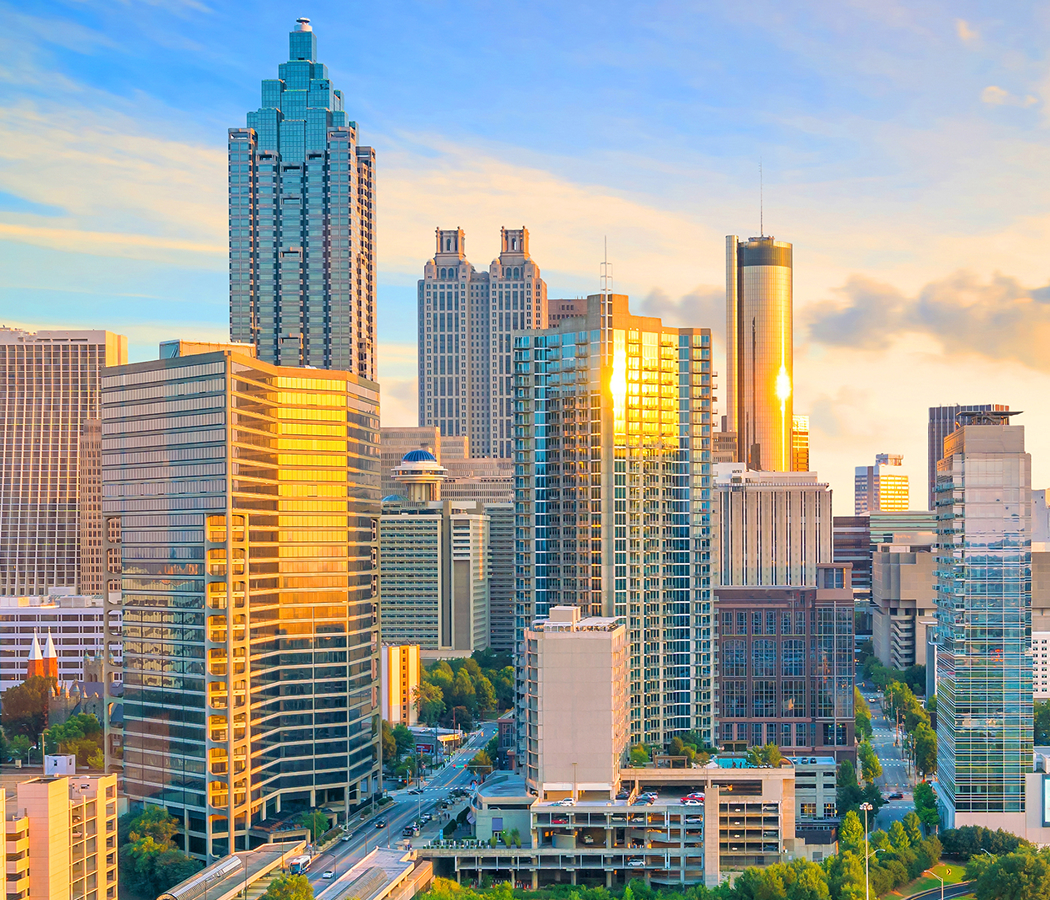
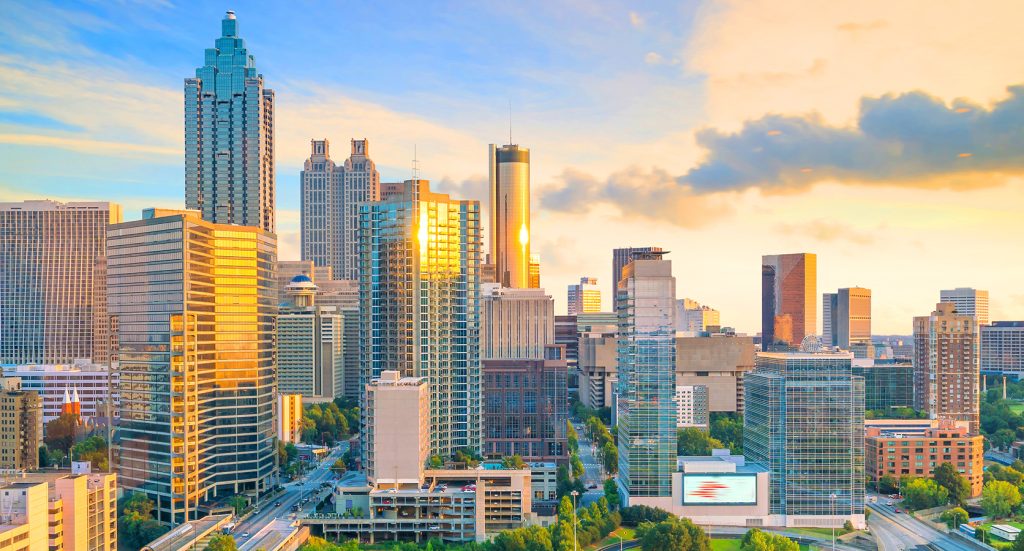
Set along 14th Street in Midtown, Four Seasons Hotel Atlanta occupies a prominent position near Peachtree Street, the Woodruff Arts Center and Piedmont Park, with the city's central business districts extending south and the tree-covered ridges of northern Atlanta rising beyond the urban skyline. Its tall stone-and-glass façade rises above a formal urban entrance, combining broad windows, balconies and terraces shaped by the city's warm climate. Guest rooms and suites face Midtown streets, parks or the distant skyline, with upper floors providing views across office towers, neighborhoods and wooded hills. The hotel's public spaces create a transition from the active streets to restaurants, lounges, spa facilities and event rooms organized within the building. 14th Street and Peachtree Street connect the property with theaters, museums, restaurants, offices and public gardens, making the hotel part of Atlanta's most concentrated cultural corridor. The surrounding city combines modern towers, historic houses, tree-lined streets and major roadways, revealing the layered development of the metropolitan center. The property's location places visitors within walking distance of galleries, performance venues, parks, universities and the commercial districts of Midtown. The result is a substantial urban hotel whose architecture and position connect Atlanta's business center with its cultural institutions and Southern landscape.
What defines Four Seasons Hotel Atlanta.
Four Seasons Hotel Atlanta is best known for establishing a major luxury hotel within Midtown, helping define the district as a center for business, arts, dining and high-rise residential life beyond Atlanta's traditional downtown core. The property opened in 1997 during a period of sustained investment in Midtown, when new office buildings, cultural facilities and residential developments expanded the city's central urban network. Its location places the hotel near Peachtree Street, Piedmont Park, theaters, museums, universities and major corporate offices. The property contains 244 guest rooms and suites arranged within a tall contemporary building overlooking Midtown. The accommodations combine spacious interiors, marble bathrooms, sitting areas, workspaces, balconies and views across the city or surrounding parks. Its architecture responds to the climate through shaded terraces, broad windows and carefully controlled transitions between interior and exterior spaces. The hotel's importance rests on the integration of international luxury service with Atlanta's growing cultural and commercial center. It operates as a business hotel, cultural base, wedding venue, conference destination and private urban retreat. Four Seasons Hotel Atlanta represents the city's transformation from a dispersed Southern metropolis into a more concentrated center shaped by art, design, medicine, technology and hospitality.
Park 75 provides the hotel's principal dining setting through contemporary American cuisine, Southern ingredients and an atmosphere suited to business meals, celebrations and evening gatherings. Its interior and service style connect refined international hospitality with the food traditions of Georgia and the broader American South. The Bar Margot creates a more informal social setting through cocktails, light meals and conversation within the hotel's public spaces. The spa develops a restorative program through treatment rooms, relaxation areas, beauty services and therapies influenced by the warm climate and regional ingredients. Fitness facilities support daily exercise through cardiovascular equipment, strength-training areas and personal instruction, allowing guests to maintain routines during business and leisure stays. The indoor pool provides a private setting for swimming and recovery, while nearby parks and tree-lined streets offer access to walking and outdoor movement. Guest rooms maintain a residential atmosphere through sitting areas, workspaces, comfortable bedding and windows that keep the skyline, gardens or city streets present throughout the day. Meeting rooms and event spaces support weddings, conferences, corporate gatherings, diplomatic functions and cultural celebrations within Midtown. The property's service culture emphasizes discretion, personalization and polished urban hospitality while retaining the relaxed confidence associated with Atlanta. Its location allows visitors to move easily between the hotel, museums, theaters, restaurants, offices and public parks. Four Seasons Hotel Atlanta functions as both a luxury residence and a cultural base, combining dining, wellness, accommodation and event capacity within one of the city's most influential neighborhoods.
How Four Seasons Hotel Atlanta fits.
Four Seasons Hotel Atlanta works as the starting point for an exploration connecting Atlanta's artistic institutions, its regional history and the public landscapes that define the city's character beyond commerce and business.
Begin at High Museum of Art, the major art institution in Midtown where collections of American, European, African and decorative art occupy galleries within a prominent cultural complex. Its exhibitions connect Atlanta to international artistic history while preserving a strong emphasis on Southern artists, design and contemporary practice. The museum's architecture and position along Peachtree Street make art a visible part of the city's daily urban landscape. Its galleries demonstrate how Atlanta developed a cultural character that extends beyond its role as a commercial center. Continue to Atlanta History Center, the extensive cultural campus in Buckhead where historic houses, gardens, exhibitions and archives present the history of Atlanta and the wider South. The center preserves architectural and landscape settings associated with the city's development, including the Civil War, transportation, commerce and twentieth-century growth. Its collections connect Atlanta's modern metropolita character with the communities, conflicts and industries that shaped the region. The campus creates a broad historical landscape within a city otherwise defined by highways, towers and commercial districts. Conclude at Martin Luther King Jr. National Historical Park, the preserved civil-rights landscape in Sweet Auburn where the birth home, church, museum and surrounding streets present the life and work of Martin Luther King Jr. The site connects Atlanta to the national struggle for civil rights, voting rights and racial equality. Its buildings and public spaces preserve the neighborhood where King was born, worshiped and developed his leadership. The park demonstrates how Atlanta's civic character was shaped not only by commerce and growth but also by moral, political and social movements. The progression moves from High Museum of Art's international collections through Atlanta History Center's regional history and concludes at Martin Luther King Jr. National Historical Park, where Atlanta's cultural and civic character meets the history of the civil-rights movement.
Where your story begins.
Foresyte Travel reveals places that feel extraordinary long before you arrive.
Enjoy editorial crafted for luxury travelers.
Foresyte may earn a commission when you book.