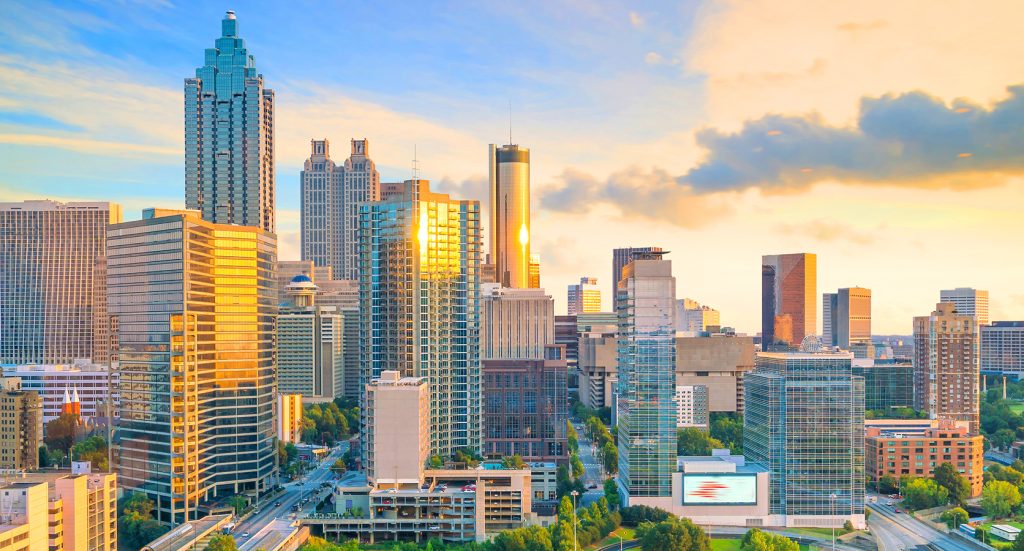
Why you should experience Garrett Street in Atlanta, Georgia.
Garrett Street is a spirited Reynoldstown corridor where industrial heritage, creative entrepreneurship, and neighborhood revitalization converge along one of Atlanta's most distinctive eastside streets.
Running through Reynoldstown between Cabbagetown and Inman Park, this character-rich corridor connects restored warehouses, adaptive reuse developments, neighborhood restaurants, locally owned businesses, historic residences, and walkable public spaces that have shaped the community's remarkable evolution over generations. Preserved brick industrial buildings, colorful murals, tree-lined sidewalks, and contemporary mixed-use projects create a streetscape where Atlanta's manufacturing legacy remains deeply woven into its creative future. Originally serving the industries that flourished alongside nearby rail lines, Garrett Street has evolved into a defining neighborhood corridor that celebrates both preservation and innovation. The result is a street defined by authenticity, craftsmanship, and enduring urban character.
What you should know about Garrett Street.
Garrett Street is best known for passing Krog Street Market, housed inside the 1920 Atlanta Stove Works building, where one of the Southeast's largest stove manufacturers once produced cast-iron ranges before the century-old factory was transformed into one of Atlanta's most celebrated adaptive reuse destinations.
Atlanta Stove Works supplied cast-iron stoves, heaters, and cooking equipment to households throughout the South during the twentieth century, helping establish the surrounding industrial district as an important center of manufacturing and distribution. The factory's durable brick construction and expansive industrial floorplates later made it an ideal candidate for adaptive reuse, allowing developers to preserve its historic character while creating a thriving marketplace filled with independent restaurants, specialty retailers, and neighborhood gathering spaces. Today, visitors still encounter exposed brick walls, steel structural elements, and historic industrial details that reflect the building's manufacturing past while supporting a spirited contemporary destination. Garrett Street preserves a direct connection to this remarkable transformation, illustrating how industrial heritage continues to shape one of Atlanta's most dynamic neighborhoods.
How to fold Garrett Street into your trip.
Garrett Street works as an exploration of Reynoldstown's industrial heritage, creative culture, and neighborhood vitality.
Begin at Krog Street Market, where the beautifully restored Atlanta Stove Works building immediately establishes the corridor's defining industrial legacy. Continue toward Krog Street Tunnel, whose continually evolving murals showcase one of Atlanta's most celebrated expressions of public art and creative identity. From there, make your way to Atlanta BeltLine Eastside Trail, where landscaped pathways, public art, and energetic gathering spaces provide a broader perspective on the remarkable transformation of Atlanta's historic railroad corridors. Along the route, you'll encounter adaptive reuse architecture, neighborhood cafés, public art, restored warehouses, locally owned boutiques, and inviting pedestrian spaces that demonstrate how Garrett Street seamlessly connects the city's manufacturing history with its contemporary creative economy. The progression moves naturally from landmark industrial marketplace to iconic public art destination to transformative urban greenway, revealing why Garrett Street remains one of Reynoldstown's most rewarding corridors.
Where your story begins.
Foresyte Travel reveals places that feel extraordinary long before you arrive.
Experience premium editorial crafted for luxury travelers.