Why you should experience Garuda Wisnu Kencana - Amphitheater in Indonesia.
As dusk falls over Ungasan's limestone cliffs, the Amphitheater at Garuda Wisnu Kencana becomes something transcendent, not just a stage, but a vessel for the island's soul.
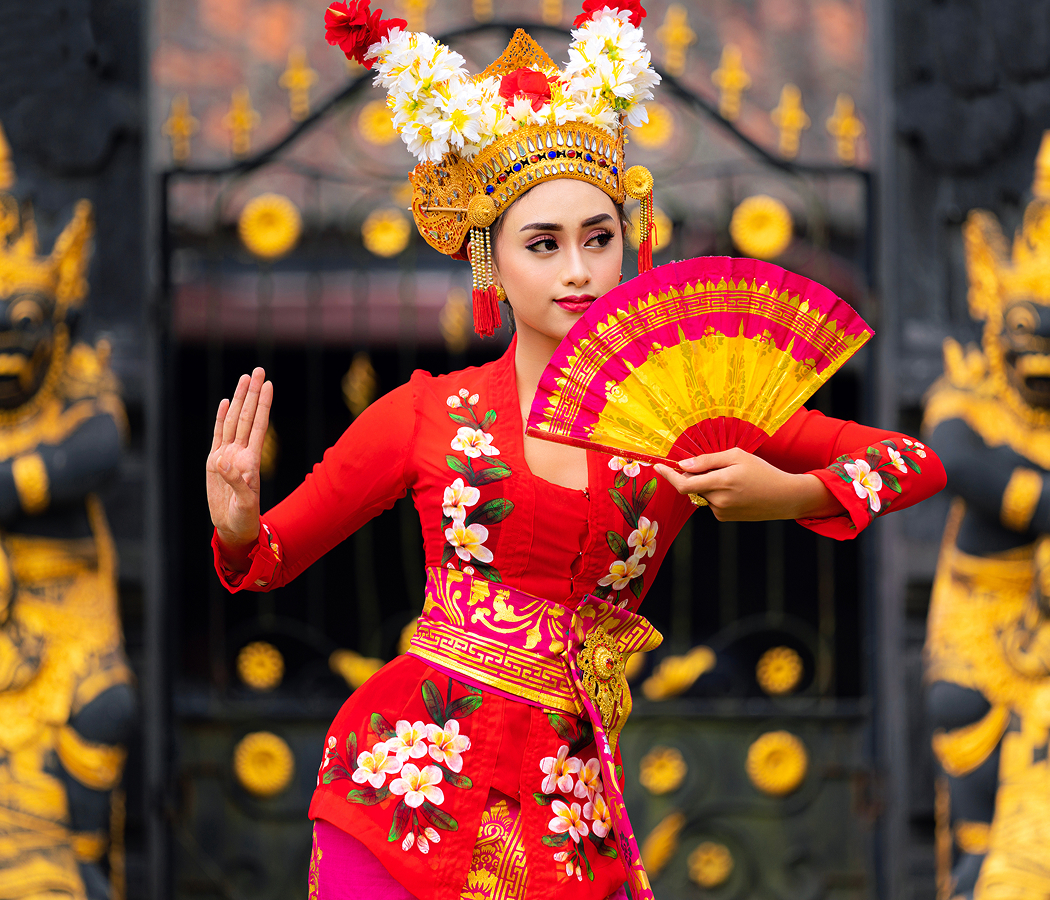
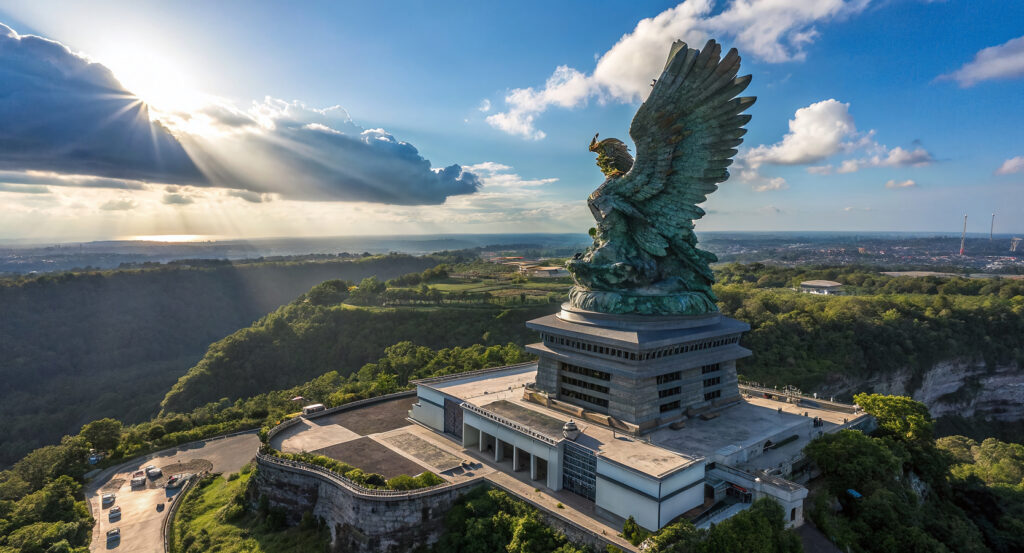
Set beneath the towering silhouette of the Vishnu statue, this open-air venue captures the rare balance between monumentality and intimacy. The steps curve like ancient stone waves, encircling a central platform where dancers, musicians, and storytellers breathe life into centuries-old myths. Under a sky streaked with tropical twilight, the amphitheater transforms into a living temple of sound, the metallic chime of gamelan, the rhythmic slap of bare feet, the deep hum of chanting rising into the night. The setting itself is as breathtaking as the performances: carved walls catch the glow of torches, palm trees sway in rhythm with the music, and beyond the cliffs, the ocean flickers faintly in the dark. Here, art doesn't merely entertain, it consecrates the moment, binding audience and performer in reverence for Bali's eternal dance with the divine.
What you should know about Garuda Wisnu Kencana - Amphitheater.
The GWK Amphitheater was conceived as the park's living heart, a place where Bali's storytelling traditions could evolve.
Designed to mirror the circular courtyards of ancient temple complexes, its acoustics were engineered to amplify natural sound. Every performance, from the nightly Kecak Ramayana Dance to the Barong Ngelawang procession, unfolds against the glowing presence of Vishnu and Garuda, creating a sense that the gods themselves are watching. The amphitheater's limestone seating was quarried from the very hills that surround it, grounding the structure in the island's geological memory. What many don't realize is that local villagers were among the first performers when it opened, a symbolic gesture to honor the community that once tended these cliffs long before they became a cultural park. Today, it hosts not only traditional Balinese performances but also international festivals, orchestral concerts, and modern art installations, seamlessly bridging the old and new. Every sound, every movement performed here carries the pulse of Bali's living heritage, ancient yet endlessly renewed.
How to fold Garuda Wisnu Kencana - Amphitheater into your trip.
Arrive before sunset to watch the light shift across the limestone walls, then stay as the stage awakens under torchlight.
From Denpasar, the drive south to GWK takes about forty minutes; once inside the park, follow the signs toward the Cultural Plaza and descend the pathway to the amphitheater's entrance. Seating is first-come, so settle early for the best view, ideally halfway up the steps, where you can see both the performers and the towering Garuda Wisnu Kencana statue above. The Kecak Dance begins around dusk, accompanied by hundreds of chanting voices that echo like waves against the stone. Between acts, look up, the stars bloom directly above the open dome, framing the performers in celestial symmetry. After the show, wander the nearby Indraloka Garden or grab a drink at one of the open-air cafés while the statue glows like a guardian in the distance. The Amphitheater at GWK isn't just a performance space; it's where the spirit of Bali gathers each night to remember itself, radiant, rhythmic, and endlessly alive.
Where your story begins.
Foresyte Travel reveals places that feel extraordinary long before you arrive.
Experience premium editorial crafted for luxury travelers.